A guest visits your venue, connects to Wi-Fi, spends 45 minutes on-site, then disappears into your ad budget forever. That is the gap businesses need to close when they ask how to automate venue follow-up. The goal is not sending more messages. It is building a system that turns physical visits into permission-based, measurable, repeatable customer communication.
For hotels, restaurants, retail locations, healthcare waiting areas, airports, and mixed-use venues, follow-up has traditionally been inconsistent. Staff forget. CRM data is incomplete. Marketing teams can see campaign metrics but not always the visit that triggered them. Automation fixes that, but only when it is built around actual customer behavior rather than generic blasts.
What how to automate venue follow-up really means
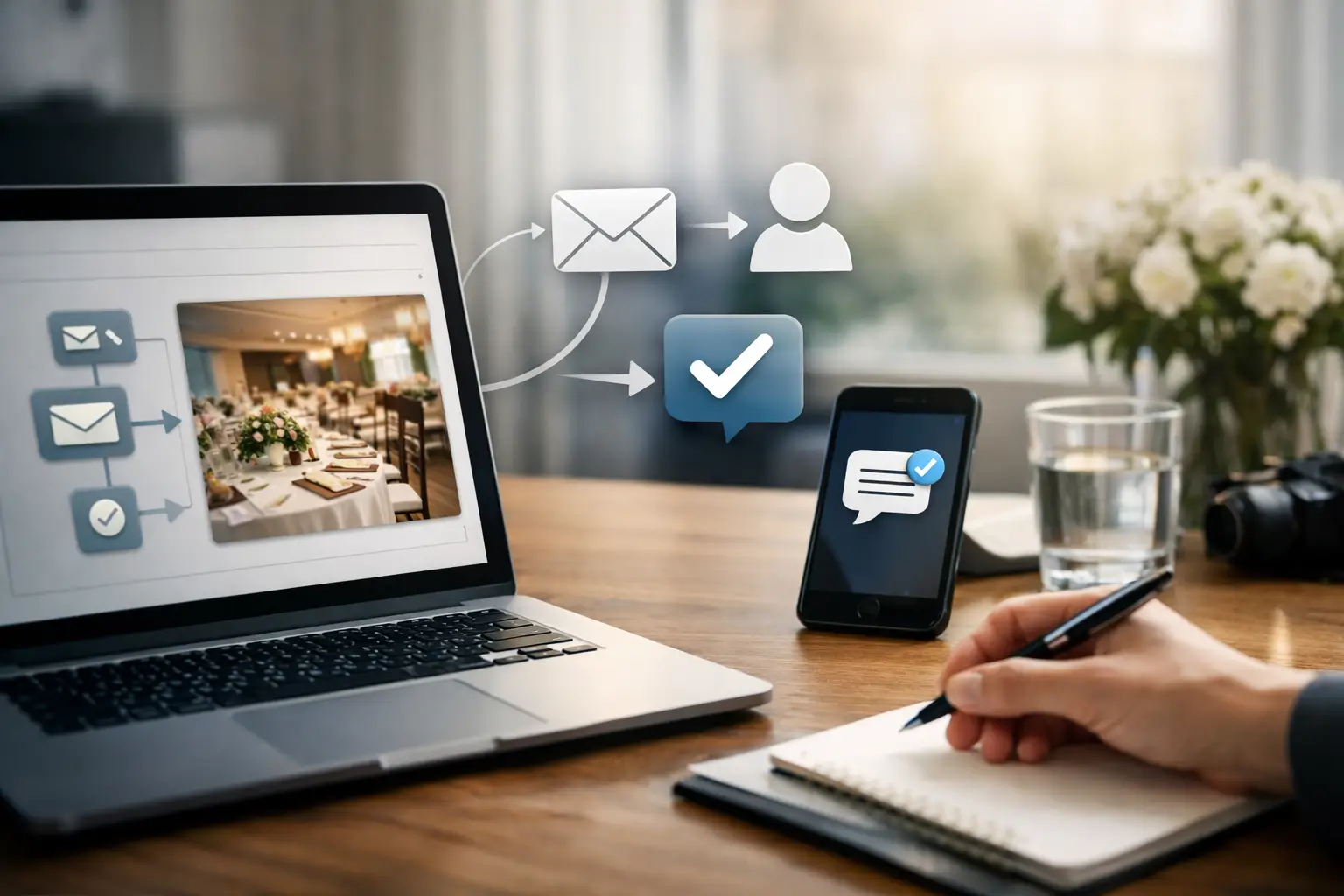
Venue follow-up automation is the process of capturing visitor data during or immediately after an on-site interaction, then triggering relevant outreach without manual effort. That outreach might be an email, SMS, WhatsApp message, loyalty reminder, review request, bounce-back offer, or retargeting audience sync.
The key word is relevant. If a coffee shop sends the same message to a first-time morning commuter and a weekend family group, automation is not improving performance. It is just scaling noise. Good automation starts with identifying who visited, what they did, when they came, and what action should happen next.
This is why guest Wi-Fi is such a practical entry point. It sits at the moment of visit, captures first-party data with consent, and creates a direct bridge between foot traffic and digital follow-up. Instead of relying only on paid media or loyalty app installs, venues can use infrastructure they already offer to build an owned communication channel.
Start with the data trigger, not the message
Most businesses begin by asking what the follow-up message should say. That is backward. First decide what event should trigger the message.
A hotel may want one sequence for guests who check in and another for visitors who only use lobby Wi-Fi. A restaurant may want to trigger a thank-you offer after a first visit, then a reactivation message if that guest does not return within 21 days. A retailer may care more about visit frequency, dwell time, and whether someone came back after a promotion.
When you define the trigger first, the automation becomes operational instead of theoretical. Common triggers include first visit, repeat visit, long dwell time, inactivity for a set period, Wi-Fi login completion, birthday capture, location-specific visits across multiple venues, and engagement with a previous message.
That also helps prevent over-messaging. Not every visit deserves a follow-up. In some businesses, one well-timed message after a meaningful visit will outperform a five-step sequence.
How to automate venue follow-up with the right customer journey
The strongest follow-up systems are simple enough to maintain and smart enough to adapt. In practice, that means building a journey in stages.
The first stage is capture. A captive portal or branded login experience collects customer data with clear consent. This can include email, phone number, visit location, customer preferences, language, or loyalty enrollment. If the venue wants better match rates for future remarketing, this is the point where quality matters. Bad data in will produce weak automation later.
The second stage is segmentation. This is where many businesses either create value or lose it. Segment by behavior, not just demographics. A customer who visited three times in seven days should not receive the same message as a guest who connected once six months ago. Segmenting by venue, visit frequency, time of day, device history, and return behavior gives the follow-up real commercial value.
The third stage is activation. This is where email, SMS, WhatsApp, and ad audience syncing come into play. Different channels serve different purposes. Email works well for offers, newsletters, and post-visit nurture. SMS is stronger for urgency and short-form reminders. WhatsApp can be particularly effective when the business wants a conversational follow-up or concierge-style service that feels personal while still being automated.
The fourth stage is measurement. If your automation cannot tie messaging to return visits, revenue lift, redemptions, or customer retention, it becomes a communications exercise rather than a growth system.
Build automations around real venue use cases
The best way to automate venue follow-up is to anchor it in outcomes your operation actually cares about.
In hospitality, that may mean pre-arrival messaging, on-property upsells, and post-stay review requests. In quick-service restaurants, the priority may be reactivating first-time visitors before they lapse. In retail, a common goal is recovering shoppers who visited but did not purchase, then bringing them back with a timely incentive. In healthcare and waiting-room environments, follow-up may focus less on promotions and more on service communication, satisfaction, and future appointment reminders.
Multi-location businesses should think one level deeper. A national chain may want centralized automation logic with local personalization. That keeps brand standards intact while still making the message relevant to the individual venue. For operators managing dozens or hundreds of sites, this matters. A fragmented setup quickly becomes hard to govern.
Channel choice matters more than most teams expect
One reason venue follow-up underperforms is that businesses force every use case into email. Email still matters, but open rates and timing vary widely by industry and customer intent.
If someone just left a restaurant, an SMS sent two hours later with a bounce-back offer may outperform an email buried in an inbox. If a hotel guest needs service support or local recommendations, WhatsApp can feel more immediate and useful. If the goal is to keep a venue top of mind over the next 30 days, remarketing audiences built from Wi-Fi captured data can often extend that follow-up more efficiently than repeated direct messages.
It depends on customer expectations, compliance requirements, and purchase cycle length. The point is not to use every channel. It is to match the channel to the action you want the customer to take.
Common mistakes when automating venue follow-up
The first mistake is automating too early without enough clean data. If consent, contact fields, and identity resolution are weak, the system will look active on paper and underperform in reality.
The second is using generic messaging. Automation is not personalization just because a first name appears in the subject line. The follow-up has to reflect visit context, customer value, or known behavior.
The third is ignoring timing. A discount sent three days after a lunch visit may be too late. A review request sent before a hotel guest checks out makes no sense. Timing is strategy, not admin.
The fourth is treating all venues the same. An airport lounge, a fashion retailer, and a family restaurant do not have the same cadence, intent, or customer tolerance for messaging.
The fifth is failing to connect automation with paid media efficiency. First-party audience capture from guest Wi-Fi can reduce dependence on broad cold targeting, but only if the follow-up system syncs customer segments into remarketing workflows.
The operational setup that makes automation sustainable
If you want follow-up automation to last, keep ownership clear. Marketing should define offers, journeys, and KPIs. Operations should align on on-site capture points, staff training, and customer experience. IT or implementation partners should ensure the hardware, portal, and integrations work reliably across locations.
This is where an implementation-minded platform has an advantage. Businesses rarely need another disconnected tool. They need a system that can handle captive portal setup, cloud-based campaign control, customer segmentation, and message automation without custom development for every location. Wifi Marketing fits this model by connecting venue Wi-Fi infrastructure with data capture, automated outreach, and measurable campaign execution.
That said, more automation is not always better. A smaller number of high-intent triggers usually produces cleaner reporting and stronger customer response than an oversized workflow map nobody maintains.
How to know your venue follow-up automation is working
Look beyond opens and clicks. Those metrics can be useful, but venue operators should care more about return visits, repeat purchase rate, time between visits, offer redemption, customer lifetime value, and reduction in wasted ad spend.
If automation is working, you should see a tighter connection between on-site traffic and digital re-engagement. You should also see more consistent retention without increasing manual workload. That is the real benefit. Not just sending follow-ups faster, but building a marketing asset from every visit.
The businesses that get this right stop treating guest Wi-Fi as a convenience feature and start using it as a customer acquisition and retention channel. That shift changes what follow-up can do. Instead of chasing customers after they leave, you are designing the next visit while they are still connected.
Comments are closed