A guest who walks out without sharing a usable contact detail is difficult and expensive to win back. For hotels, restaurants, retail locations, hospitals, malls, and transportation hubs, the best tools for venue retention solve that gap: they connect a physical visit to permission-based, measurable follow-up.
Retention is not one platform or one campaign. It is an operating system for recognizing visitors, understanding what they did on-site, and giving them a relevant reason to return. The right technology stack reduces dependence on broad paid advertising while giving operators a clearer view of the customers already choosing their locations.
What Venue Retention Tools Need to Do
A retention tool should do more than send a generic promotion after a visit. It should help a venue identify customers with consent, segment them based on real behavior, communicate through the channels they prefer, and measure whether outreach generated another visit or purchase.
That standard matters because venue operators deal with uneven visit patterns. A hotel may need to convert first-time guests into future direct bookings. A restaurant may want to fill slower weekday periods. A retailer may need to reconnect with customers after a seasonal purchase. An airport, mall, or healthcare facility may focus on service communication and long-term trust rather than an immediate transaction.
The best systems preserve enough flexibility for those different use cases while keeping execution manageable for a local or multi-location team. If staff need to export spreadsheets, manually clean data, and build every campaign from scratch, the system will not be used consistently enough to affect retention.
Best Tools for Venue Retention: The Core Stack
Guest Wi-Fi marketing and data capture
Guest Wi-Fi is often the most underused retention asset in a physical venue. Customers expect access, but many businesses still provide it as a cost center rather than a customer communication channel.
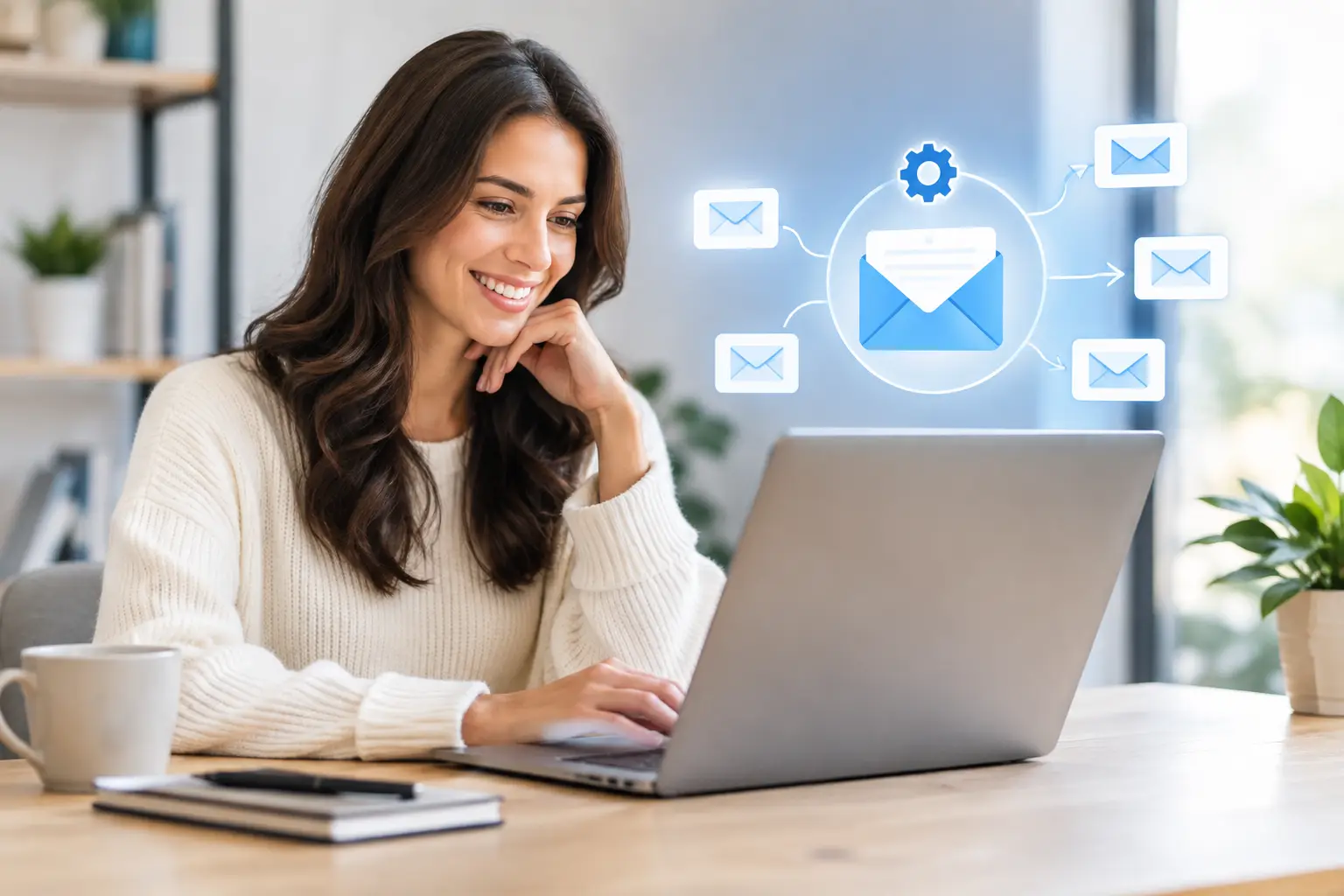
A Wi-Fi marketing platform places a branded captive portal between the guest and internet access. With appropriate consent and privacy controls, the portal can collect contact information, capture marketing permissions, and connect a visit to a known customer profile. It can also support login methods that reduce friction while allowing the business to gather useful first-party data.
The commercial advantage is timing. The customer is already at the location, which makes the interaction more accurate than a broad ad impression. Over time, the platform can distinguish new visitors from returning guests, identify visits by location, and create segments for targeted outreach. For multi-site operators, this creates a shared view of in-person traffic that is difficult to obtain from point-of-sale data alone.
Wifi Marketing is designed around this model, combining captive portal access, customer data capture, remote configuration, and marketing activation so venue teams can turn existing Wi-Fi infrastructure into a measurable retention channel.
CRM and customer data platforms
A CRM gives retention efforts continuity. It stores customer profiles and campaign history so teams can avoid treating every interaction as a standalone event. For venues, the most useful CRM setup includes contact details, permissions, preferred communication channels, location history, visit frequency, purchase information where available, and engagement with prior messages.
A customer data platform can become valuable when data comes from several places, such as Wi-Fi, online reservations, e-commerce, point of sale, loyalty enrollment, and service requests. It helps create a more complete profile and reduces duplicate records.
However, more data is not automatically better. A smaller operator may get faster results from a well-configured CRM integrated with Wi-Fi and email than from an expensive data platform that requires a long implementation. Choose the level of complexity based on the number of locations, systems, and customer records you manage.
Marketing automation for email, SMS, and WhatsApp
Automation turns captured data into consistent retention activity. The strongest campaigns are event-driven rather than calendar-driven. A new Wi-Fi registration can trigger a welcome message. A customer who has not returned within a defined period can enter a re-engagement sequence. A frequent visitor can receive an early-access offer, a service update, or recognition that reinforces loyalty.
Email remains useful for detailed offers, booking reminders, newsletters, and longer consideration cycles. SMS is better for time-sensitive messages, provided customers have explicitly opted in. WhatsApp can be especially effective where customers expect conversational service, such as hospitality, dining, and travel-related venues.
An intelligent concierge delivered through WhatsApp adds a practical layer beyond promotions. It can answer common questions, provide venue information, guide guests to services, and continue the conversation after a visit. That improves the customer experience while reducing pressure on front-line staff.
The trade-off is frequency. Sending too often will damage trust and reduce opt-ins. Effective automation uses clear triggers, suppression rules, local relevance, and reasonable contact limits. A customer who visited a restaurant once should not receive the same message cadence as a weekly regular.
Loyalty and offer management
Loyalty tools give customers a tangible reason to identify themselves and return. They may use points, visit counts, member pricing, birthday rewards, priority access, or partner benefits. The model should match the purchase cycle. A coffee shop may benefit from simple visit-based rewards, while a hotel or premium retail brand may need status, personalized benefits, and stronger service recognition.
The most valuable loyalty programs connect to behavioral data. If a customer regularly visits one location but has not returned in 45 days, that is a more useful trigger than sending the same discount to every member. Likewise, a high-value guest may respond better to an exclusive experience than a percentage-off offer.
Avoid discounting by default. Retention is about maintaining value, not training customers to wait for promotions. Use offers selectively and balance them with convenience, recognition, useful information, and access.
Review, feedback, and service recovery tools
Retention is often lost before a customer says anything publicly. Post-visit feedback tools give venues an opportunity to detect dissatisfaction quickly, route issues to the right team, and follow up before a poor experience becomes a lost customer or negative review.
For hotels, this might mean asking about check-in, room quality, or breakfast shortly after the stay. For restaurants, it can mean a short request tied to a recent visit. For healthcare or public venues, the questions should be appropriate to the setting and focused on service accessibility, wait times, communication, and overall experience.
The technology matters, but the operating process matters more. A feedback alert without an owner and response standard is simply another dashboard notification. Assign service recovery responsibility, establish response windows, and track whether resolved issues lead to future visits.
Analytics, attribution, and remarketing tools
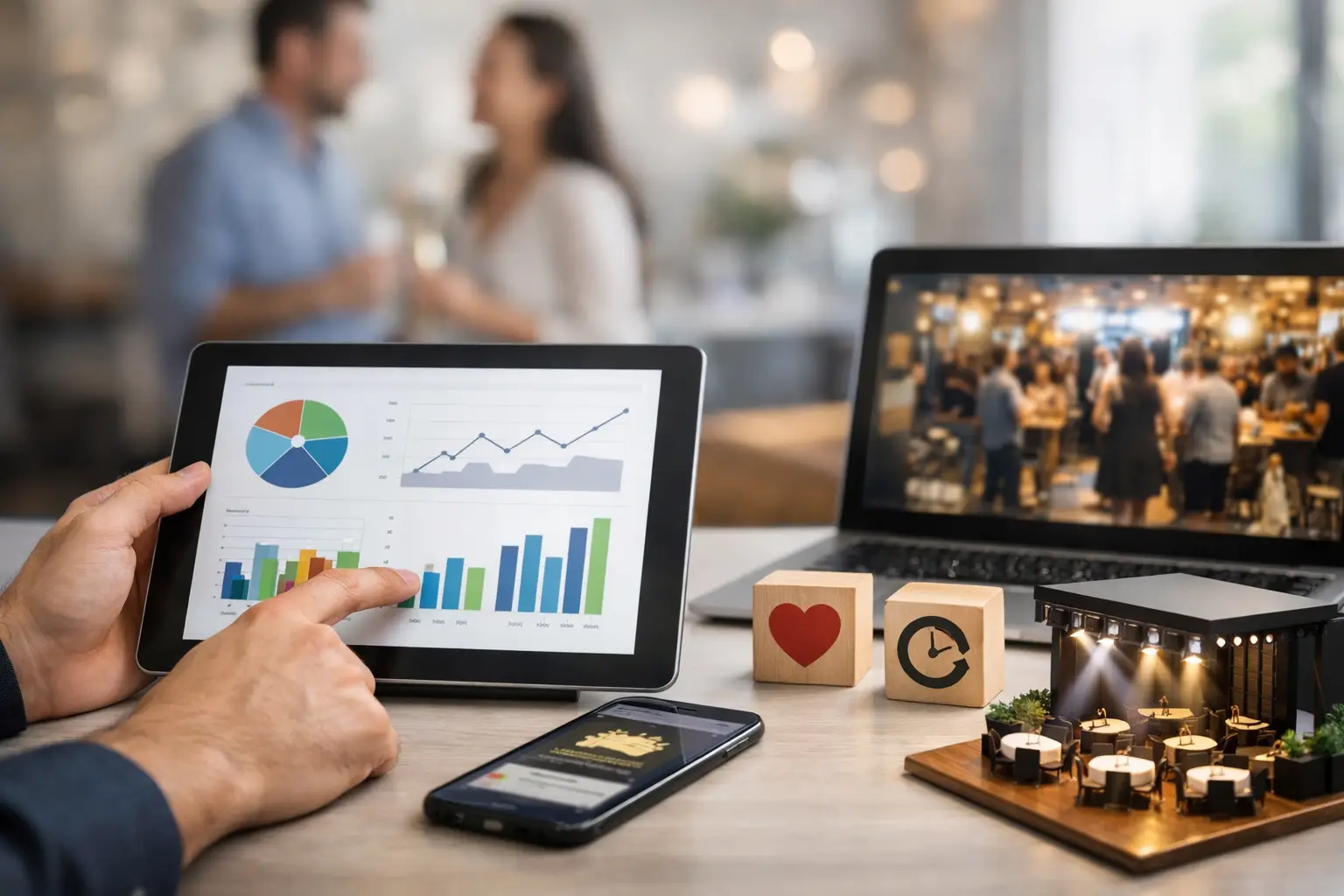
Retention programs need a measurement layer. At minimum, operators should be able to see new versus returning visitors, contact capture rates, consent rates, message engagement, campaign conversions, and repeat-visit trends by location.
Remarketing integrations can extend the value of first-party venue data. With consent-based audiences and appropriate platform policies, businesses can use advertising tools to reach known visitors through channels such as Facebook and Google. This is often more efficient than targeting a broad local audience because campaigns are based on people who have already shown intent by visiting.
Attribution will never be perfect. A customer may return after seeing an email, receiving an SMS, and passing the venue on their commute. Instead of chasing a single-touch explanation, measure outcomes at the segment and campaign level. Compare return behavior among contacted and non-contacted groups when possible, and use consistent time windows.
How to Select the Right Retention Platform
Start with the customer journey, not the feature checklist. Identify the point at which a visitor becomes known, the systems that hold relevant data, the messages that should follow, and the business outcome you want to improve. For example, a casual dining group may prioritize Wi-Fi registration, lapsed-guest campaigns, and local offers. A hotel group may prioritize pre-arrival communication, on-property concierge support, and post-stay direct booking activity.
Then assess implementation reality. Ask whether the platform works with your existing network hardware, supports remote configuration, integrates with your CRM or marketing tools, and can be deployed consistently across locations. Channel partners and agencies should also consider whether the technology can be managed centrally while still allowing branded experiences for each client.
Privacy and consent should be part of the buying decision from the beginning. Collect only the data you can use responsibly, clearly explain how communications work, and maintain reliable opt-out controls. Strong permission practices do not slow growth. They improve deliverability, trust, and the quality of your customer database.
Build for Repeat Behavior, Not Just More Contacts
The strongest retention programs make every on-site visit more useful. They turn a customer connection into a profile, a profile into relevant communication, and communication into a reason to return. The goal is not to accumulate thousands of contacts that never hear from you again.
Start with one high-value journey, such as a first-visit welcome sequence or a lapsed-visitor campaign. Measure return visits and revenue impact, refine the message, then expand. When technology, service, and marketing work from the same customer signal, retention becomes a repeatable revenue discipline rather than a last-minute promotion.