
A packed dining room, a busy hotel lobby, or a crowded retail floor can look like success while hiding a costly problem: the business may have no reliable way to understand who visited, what they did, or how to bring them back. Venue analytics closes that gap by turning on-site activity into usable marketing intelligence, rather than leaving foot traffic as an anonymous number on a door counter.
For customer-facing businesses, the goal is not to collect data for its own sake. The goal is to make better decisions about staffing, promotions, customer communication, loyalty, and advertising spend. When the data comes through a properly designed guest Wi-Fi experience, it can also create a direct, permission-based path to re-engage visitors after they leave.
What Venue Analytics Actually Measures
Venue analytics is the process of measuring visitor activity inside a physical location and connecting it to operational and marketing outcomes. Depending on the technology in place, it can show how many people visit, when they arrive, how long they stay, how often they return, and which locations or zones attract the most activity.
Guest Wi-Fi adds a valuable first-party data layer. A captive portal can collect consented customer details such as an email address, mobile number, birthday, language preference, or marketing opt-in. It can also recognize returning devices and connect visit patterns with campaign engagement over time.
That distinction matters. A basic people counter may tell a retailer that 2,000 people entered this week. A Wi-Fi marketing platform can help reveal whether those visitors were mostly new or returning, whether a lunchtime promotion increased repeat visits, and which customer segments responded to a follow-up offer.
Not every venue needs the same level of measurement. A quick-service restaurant may prioritize visit frequency and offer redemption. A hotel may care more about guest profiles, on-property behavior, and post-stay reviews. An airport, mall, or hospital may focus on traffic volume, dwell time, service demand, and location-level trends. The right analytics program starts with the decisions a team needs to make, not a long list of available metrics.
Why Venue Analytics Is a Marketing Asset
Physical businesses have spent years paying for digital advertising without always knowing what happens after someone arrives on site. Venue analytics helps connect those two worlds. It gives operators more evidence about whether a campaign generated visits, whether first-time guests came back, and which audiences deserve further investment.
This is especially useful as paid acquisition costs rise and third-party tracking becomes less dependable. First-party data collected through a transparent guest Wi-Fi journey gives businesses a marketing asset they control. With proper customer consent and privacy practices, that data can support email automation, SMS outreach, WhatsApp communication, custom audience campaigns, and loyalty programs.
The commercial value comes from action. If a restaurant sees that weekday lunch guests rarely return within 30 days, it can automate a return-visit offer. If a retailer identifies frequent visitors who have not engaged with a recent campaign, it can create a more relevant message. If a hotel has a high number of guests connecting to Wi-Fi but a low rate of direct rebooking, it can build a post-stay communication sequence around future stays, local events, or upgrades.
Analytics without activation is reporting. Analytics connected to automation becomes a revenue tool.
The Metrics That Matter Most
A dashboard can display dozens of figures, but operators should concentrate on metrics that lead to a practical decision. Visitor volume is useful, but it becomes more valuable when compared with historical patterns, campaign periods, and location performance.
New versus returning visitors is often one of the most useful measures. A high percentage of new visitors may indicate strong awareness or a successful acquisition campaign. A healthy returning audience can signal satisfaction, convenience, or growing loyalty. Neither figure is automatically good or bad. A new hotel opening may want acquisition first, while an established neighborhood café may benefit more from repeat behavior.
Dwell time adds another layer of context. Longer visits can be positive in a full-service restaurant, lounge, hotel, or entertainment venue. In a busy retail store, unusually short visits could point to poor wayfinding, out-of-stock products, or a mismatch between advertising and the in-store experience. The interpretation always depends on the business model.
Marketing performance should also be tied back to the visitor journey. Track portal conversion rates, opt-in rates, message opens, clicks, offer redemptions, and repeat visits after a campaign. A large contact list is not the finish line. The stronger measure is whether customer communication produces measurable movement in visits, bookings, purchases, or loyalty enrollment.
Building a Venue Analytics Program That Teams Will Use
The first step is defining a clear business question. A multi-location retailer might ask which stores attract the most repeat visitors. A restaurant group might want to know whether its happy-hour promotion creates incremental traffic or simply discounts visits that would have happened anyway. A hotel could focus on improving direct communication with guests before, during, and after a stay.
Next, design the guest Wi-Fi login experience around a fair value exchange. Customers are more likely to share information when they understand what they receive in return, whether that is reliable internet access, a welcome offer, loyalty benefits, local recommendations, or concierge assistance. Keep the portal simple. Requesting too much information at first contact can reduce connection rates and frustrate guests.
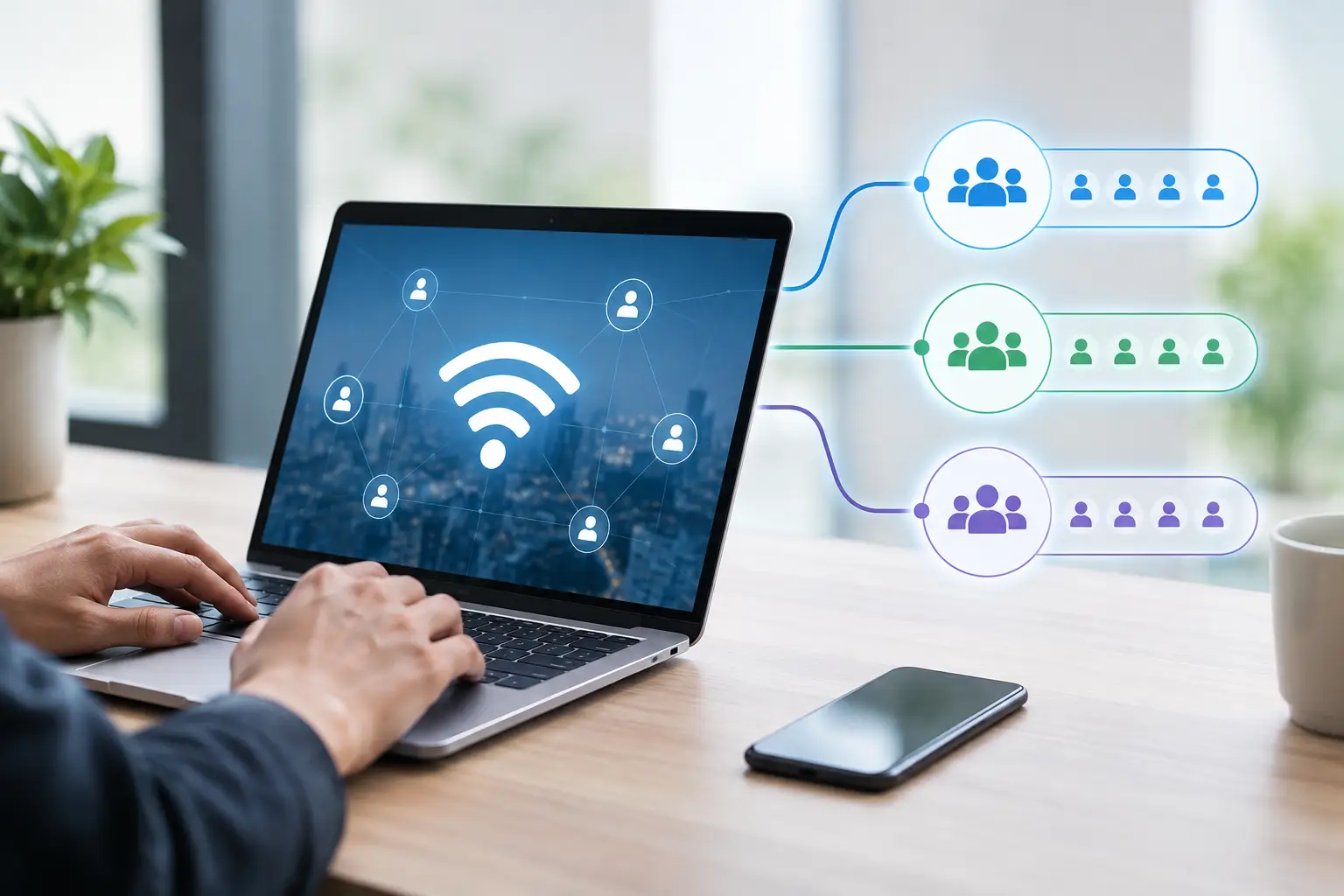
Then, organize the data so it supports segmentation. Groups may be based on first-time visitors, returning visitors, visit frequency, location, language, date of last visit, or engagement with a previous message. A single message to everyone is easier to send, but it usually produces weaker results than a relevant message to a defined audience.
Finally, connect reporting to a regular operating rhythm. Review location and campaign performance weekly or monthly, then decide what to test next. This might mean changing a portal offer, adjusting a message schedule, creating a reactivation campaign, or shifting ad spend toward locations with stronger repeat behavior. The dashboard should help teams act faster, not create another report that no one opens.
Common Mistakes That Reduce Value
The most common mistake is treating guest Wi-Fi as a utility with no marketing strategy behind it. Free internet can improve the customer experience, but without a branded portal, consent-driven data capture, and follow-up automation, the venue misses much of the commercial opportunity.
Another mistake is measuring activity without considering privacy and trust. Businesses should clearly explain data collection, provide appropriate consent choices, and use data responsibly. A good customer experience is not at odds with performance. Clear communication improves both compliance and willingness to engage.
Teams also lose momentum when analytics are isolated from their existing systems. Customer data is more useful when it can inform email platforms, customer relationship management systems, advertising audiences, and location-level reporting. Integration does not need to be complicated, but it should support the workflows the marketing and operations teams already use.
There is also a temptation to copy the same strategy across every location. A downtown coffee shop, airport kiosk, resort property, and suburban retail center will produce different visitor patterns. Standardize the technology and reporting framework, but allow the campaigns and benchmarks to reflect local reality.
Turning Insights Into Better Guest Communication
The strongest venue analytics programs make communication feel timely rather than repetitive. A first-time visitor may need a welcome message and a reason to return. A loyal customer may respond better to early access, exclusive perks, or personalized recommendations. Someone who has not visited in several months may need a different incentive altogether.
Wifi Marketing helps businesses make this transition from passive connectivity to active customer engagement. Through captive portals, customer data capture, real-time messaging, automation, and remarketing support, venue teams can turn existing Wi-Fi infrastructure into a more accountable marketing channel. The technology matters, but the operating model matters just as much: collect useful data, segment it intelligently, communicate with purpose, and measure the result.
A venue does not need perfect data before it begins. It needs a clear customer value exchange, a few meaningful metrics, and a commitment to act on what it learns. Each guest connection is an opportunity to understand the next visit better than the last.