A customer walks into your store, browses for 20 minutes, asks an associate a question, and leaves without buying. If that visit ends as an anonymous event, your marketing team has nothing to work with. The best retail data capture methods turn those high-intent physical interactions into permission-based customer relationships that can be measured, segmented, and developed over time.
For retailers facing higher acquisition costs and less dependable third-party targeting, first-party data is no longer a nice-to-have. It is the practical foundation for stronger retention, more relevant campaigns, and a clearer view of which in-store experiences actually produce revenue.
Why retail data capture needs a broader view
Retail data capture is often reduced to collecting an email address at checkout. That remains useful, but it happens late in the customer journey and misses visitors who browse, compare products, or visit a location multiple times before purchasing.
A stronger approach captures data across several customer touchpoints: guest Wi-Fi, point of sale, loyalty enrollment, QR codes, appointments, digital receipts, and customer service interactions. Each method provides a different signal. A purchase shows what someone bought. A Wi-Fi login can show when and how often they visit. A product-specific QR code can show what they were considering.
The goal is not to collect every possible field. It is to collect useful information with a clear value exchange. Customers are more likely to provide accurate data when they understand what they receive in return, such as free Wi-Fi, a digital receipt, loyalty benefits, a personalized offer, or faster service.
The best retail data capture methods for physical stores
Guest Wi-Fi with a captive portal
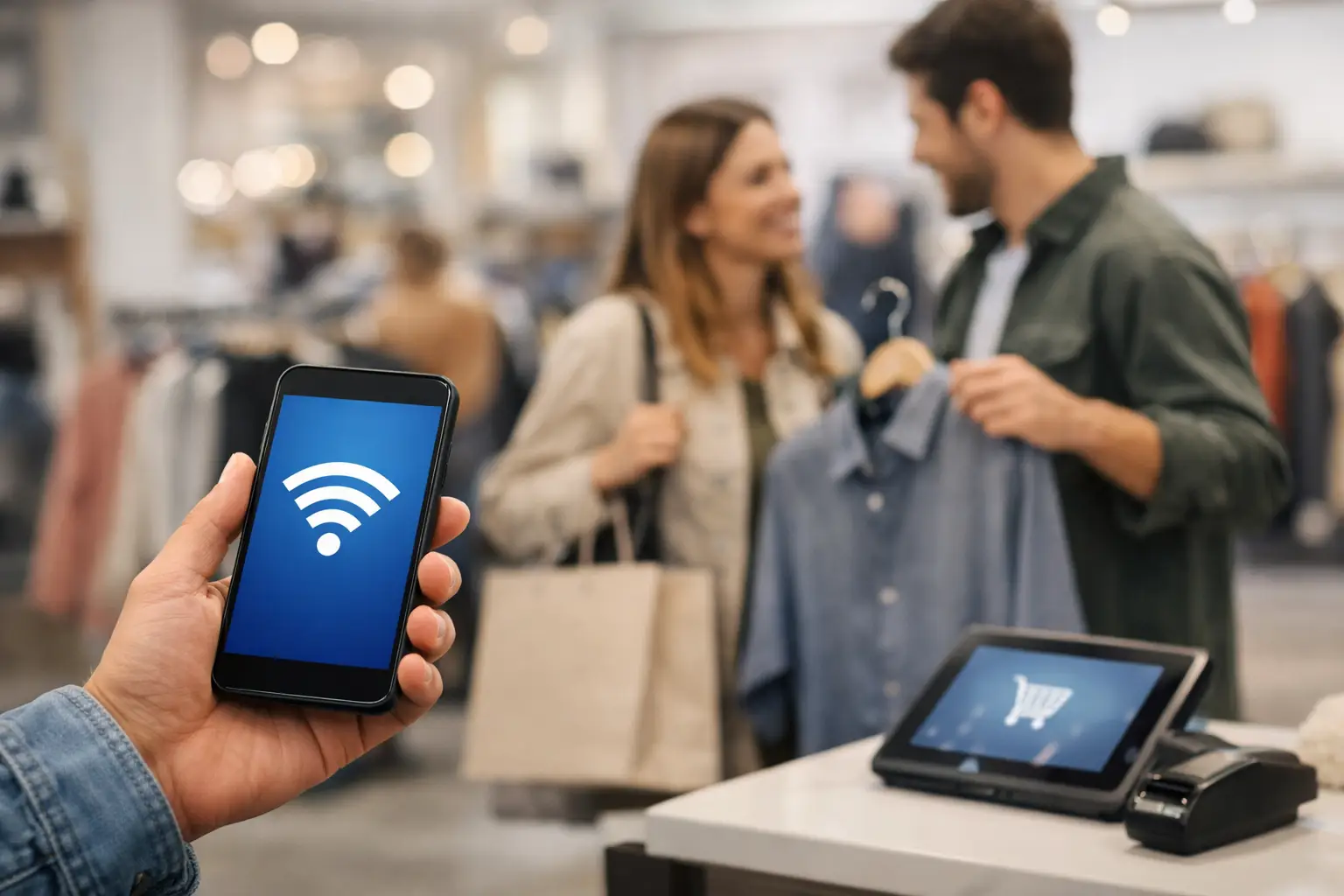
For many physical retailers, guest Wi-Fi is one of the most effective ways to capture first-party data before checkout. Customers already expect connectivity in malls, showrooms, beauty stores, auto dealerships, and larger retail locations. A branded captive portal turns that existing network into a consent-based data collection point.
Rather than sharing an open network password, visitors can log in with an email address, mobile number, social profile, or a short registration form. The form should be designed for the value of the visit. A fashion retailer may prioritize email and style preferences, while a shopping center may focus on location, visit frequency, and consent for local offers.
The commercial advantage is timing. Wi-Fi captures information while the customer is on-site, not only after a transaction. It can also recognize repeat visitors, support audience segmentation, and trigger follow-up campaigns after someone leaves the location. When connected to advertising pixels and marketing automation, this creates a direct bridge between physical foot traffic and digital remarketing.
There is a trade-off: a long registration form can lower connection rates. Start with the minimum required fields, then collect preferences gradually through campaigns, surveys, or loyalty interactions.
Point-of-sale data and digital receipts
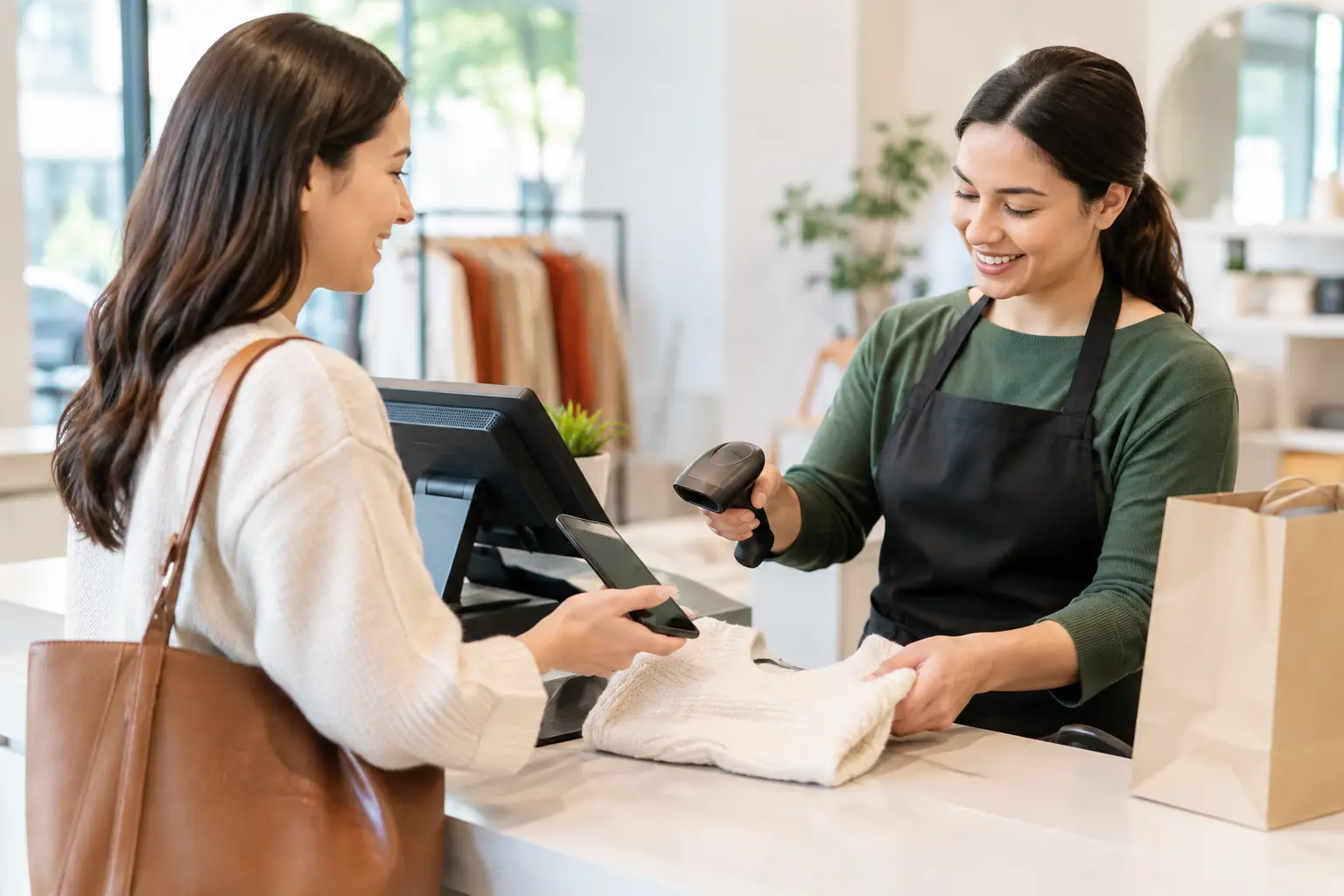
Point-of-sale data remains the core retail data source because it ties customer identity to revenue. When staff ask customers whether they want a digital receipt, they create a natural moment to collect an email address or phone number without adding friction to the checkout process.
Digital receipts also create a useful communication channel after the sale. They can include care instructions, related product recommendations, store service information, or a request for feedback. For higher-consideration purchases, the receipt can initiate a more structured post-purchase sequence rather than a generic promotional email.
The limitation is clear: POS capture only reaches buyers. If your store has high browsing traffic or a long buying cycle, relying on checkout data leaves a major portion of your potential audience unidentified.
Loyalty programs that deliver an immediate benefit
A loyalty program works when customers see a clear reason to join now, not someday. Immediate rewards, member pricing, point accrual, exclusive access, or a birthday offer can provide that reason. The enrollment experience should be fast enough for the checkout line and simple enough for associates to explain consistently.
Loyalty data becomes more valuable when it connects transactions across channels. A customer who buys online, visits a local store, and responds to an SMS offer should not appear as three disconnected records. Retailers need a unified customer profile that brings these activities together.
Avoid making enrollment a one-time data collection exercise. Use the program to learn over time. Preference prompts, category-specific offers, and feedback requests can add depth without asking customers to complete a lengthy profile at the register.
QR codes tied to specific store experiences
QR codes are useful when they solve a customer problem or offer a relevant benefit. A code beside a product display can provide sizing information, product availability, how-to content, warranty registration, or an exclusive offer. A code at the fitting room can invite feedback. A code at the service counter can begin a repair or appointment request.
Because each QR code can be associated with a location, department, campaign, or product category, it creates more context than a general website visit. Retailers can learn which displays draw interest and which stores generate the strongest engagement.
QR codes perform poorly when they lead to a generic homepage or ask for too much information before delivering value. The destination should match the promise on the sign, and the data request should be proportional to the benefit.
SMS, WhatsApp, and concierge conversations
Mobile messaging is highly effective for retailers that need fast, personal communication. It is particularly useful for appointment-based retail, premium products, shopping centers, and stores that offer product sourcing, pickup coordination, or service updates.
A customer may opt in to receive a back-in-stock alert, appointment reminder, pickup notice, or local event invitation. An intelligent WhatsApp concierge can take this further by answering common questions, guiding customers to products or services, and routing more complex requests to staff. These exchanges can capture intent signals that are difficult to obtain through a basic web form.
Messaging requires discipline. Consent must be explicit, opt-out options must be easy to use, and message frequency must be controlled. A relevant pickup alert builds trust. Repeated promotional texts that do not reflect customer interests can damage it quickly.
How to choose the right data capture mix
The right method depends on how customers use your location. A convenience retailer with fast transactions may gain the most from digital receipts and loyalty enrollment. A furniture showroom with longer visits may benefit more from guest Wi-Fi, appointment capture, and follow-up messaging. A mall or multi-tenant venue can use Wi-Fi and QR codes to understand traffic patterns while supporting offers from participating retailers.
Start by identifying the business question you cannot currently answer. Are you losing anonymous visitors? Are first-time buyers failing to return? Do you lack visibility into which locations produce the most engaged audiences? The answer should shape your capture design.
Then define the data fields that matter. Most retailers do not need a detailed profile on day one. A name, email or mobile number, consent status, store location, visit date, and source of capture can support meaningful segmentation. Purchase history, preferences, and engagement behavior can be added as the relationship develops.
Turn collected data into action
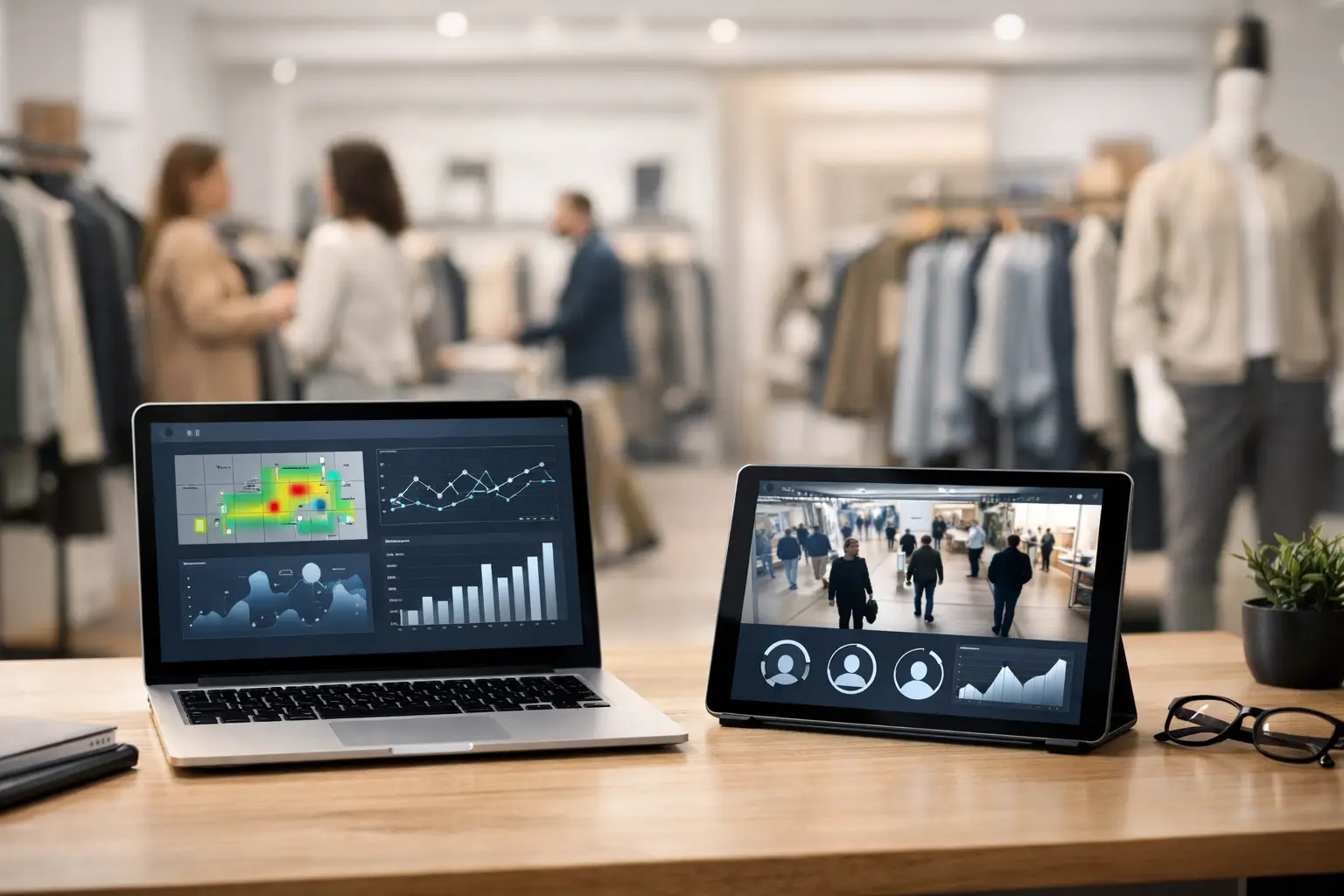
Data collection without activation creates administrative work, not marketing value. Every capture method should feed an operational process: audience segmentation, automated follow-up, retention offers, location-level reporting, or paid media audience building.
For example, a visitor who connects to Wi-Fi at a store but does not purchase could receive a welcome offer after their visit, provided they have opted in. A repeat visitor can receive a different message from a first-time visitor. Customers who scanned a QR code for a specific category can receive content related to that category rather than a storewide promotion.
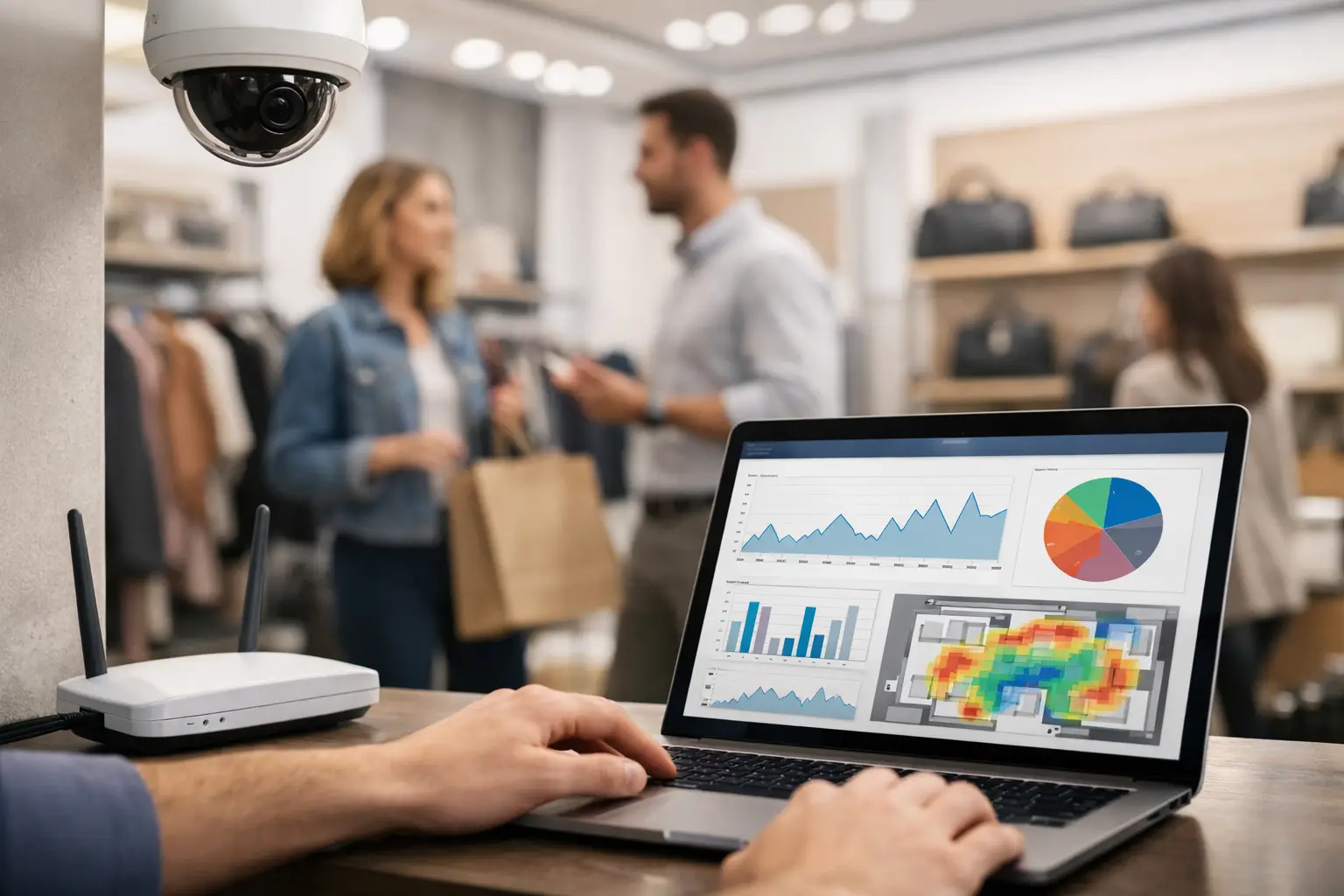
This is where integrations matter. Your Wi-Fi platform, CRM, email system, SMS tools, POS environment, and ad platforms should exchange usable data where appropriate. Without this connection, teams often export spreadsheets, delay campaigns, and lose the context that makes personalization effective.
Wifi Marketing helps physical businesses use guest Wi-Fi as a data capture and automation channel, connecting on-site visits to email, SMS, WhatsApp, and remarketing workflows. The technology is valuable because it can be configured around the customer journey a location already has, rather than forcing staff to adopt a complicated new process.
Build trust into every interaction
Retailers should be direct about what they collect, why they collect it, and how customers can control communications. Use clear consent language, provide access to privacy information, and avoid pre-checked marketing boxes. Your team should also know how to explain the customer benefit in plain language.
Data quality matters as much as data volume. Duplicate records, missing consent details, and disconnected systems create risk and limit campaign performance. Establish ownership for data hygiene, permission management, and campaign rules before scaling outreach across multiple locations.
The most productive next step is usually small: choose one high-traffic touchpoint, offer a clear customer benefit, and connect the resulting data to one useful follow-up campaign. When customers receive communication that reflects what they did in your store, data capture stops feeling like a form and starts becoming a better retail experience.