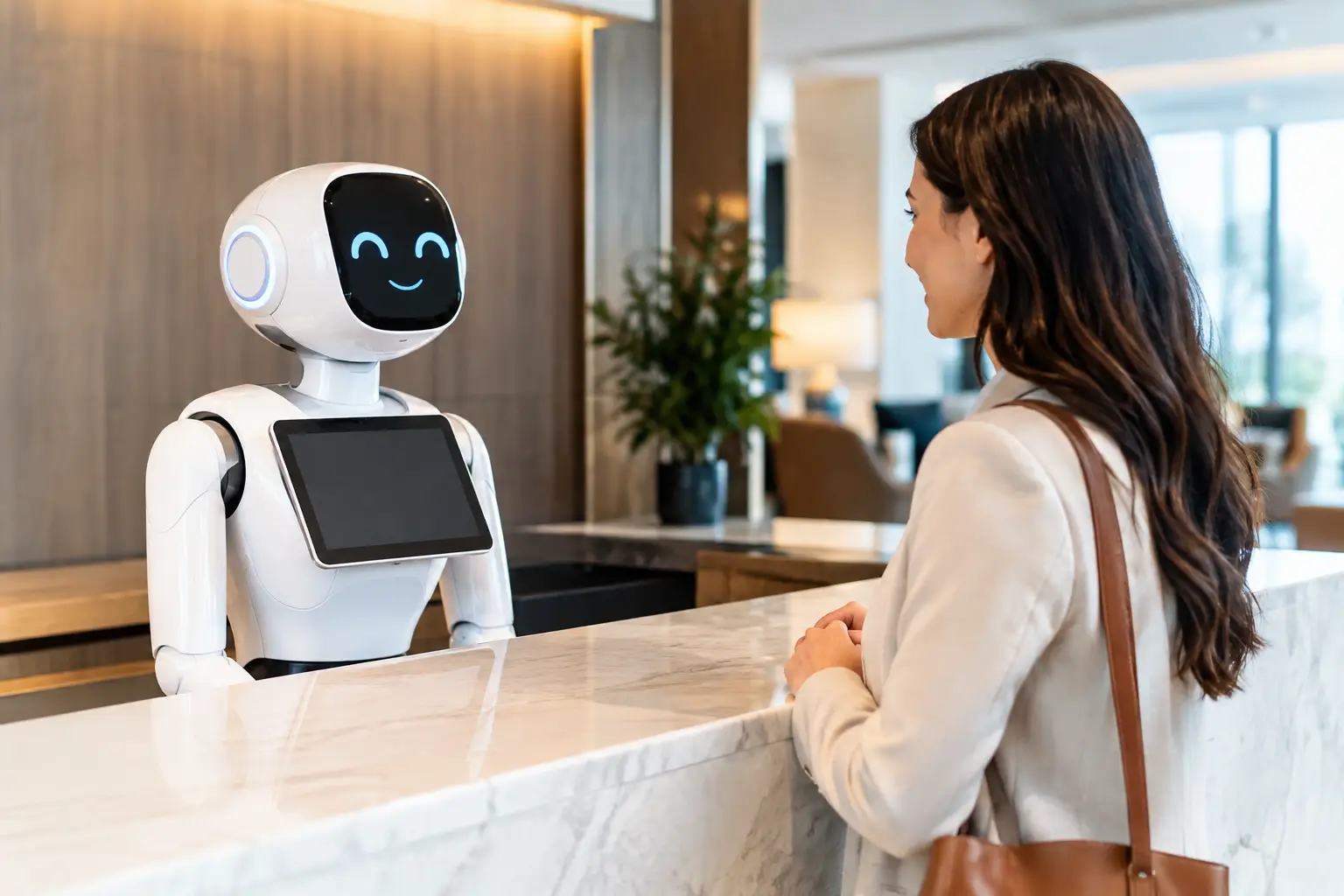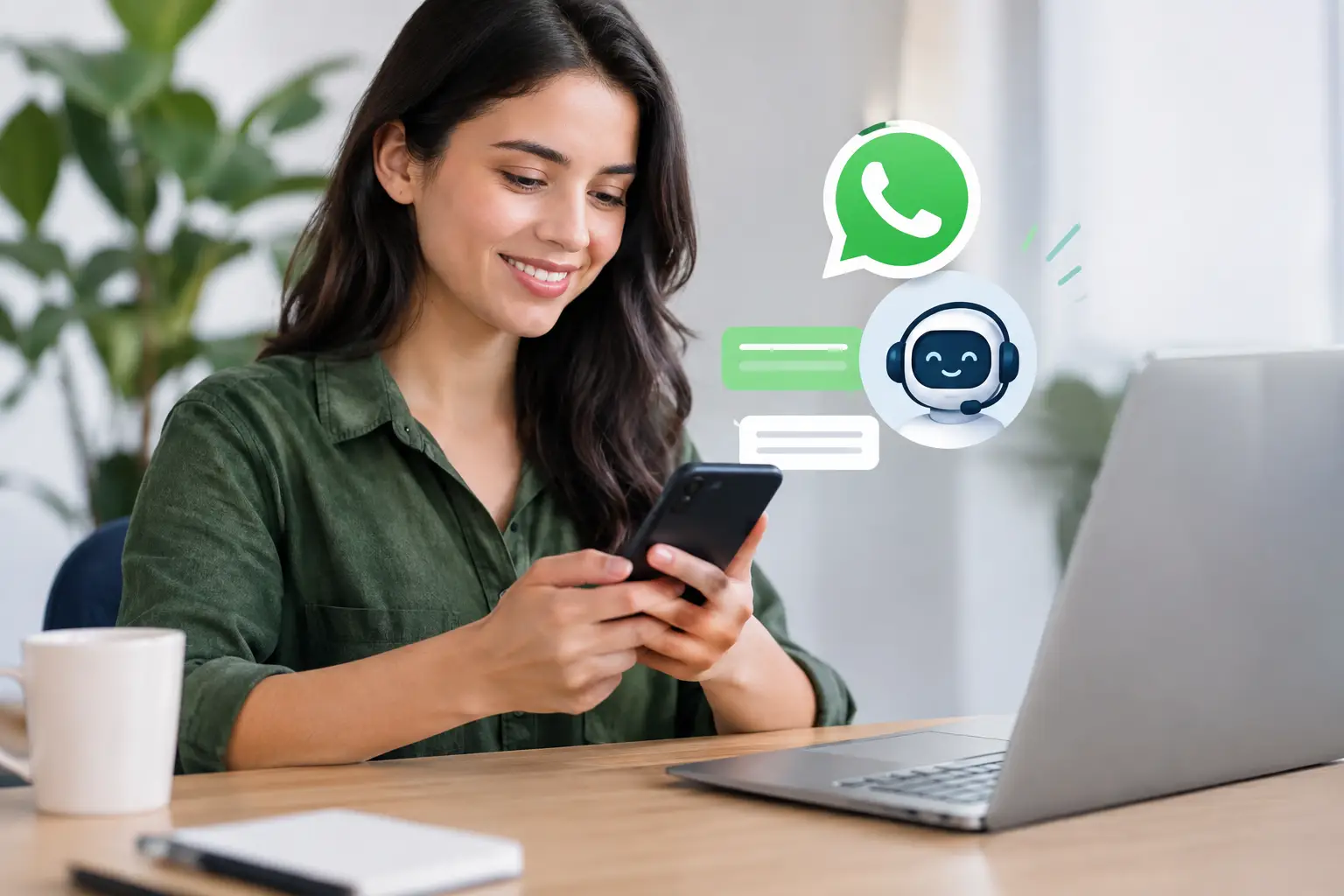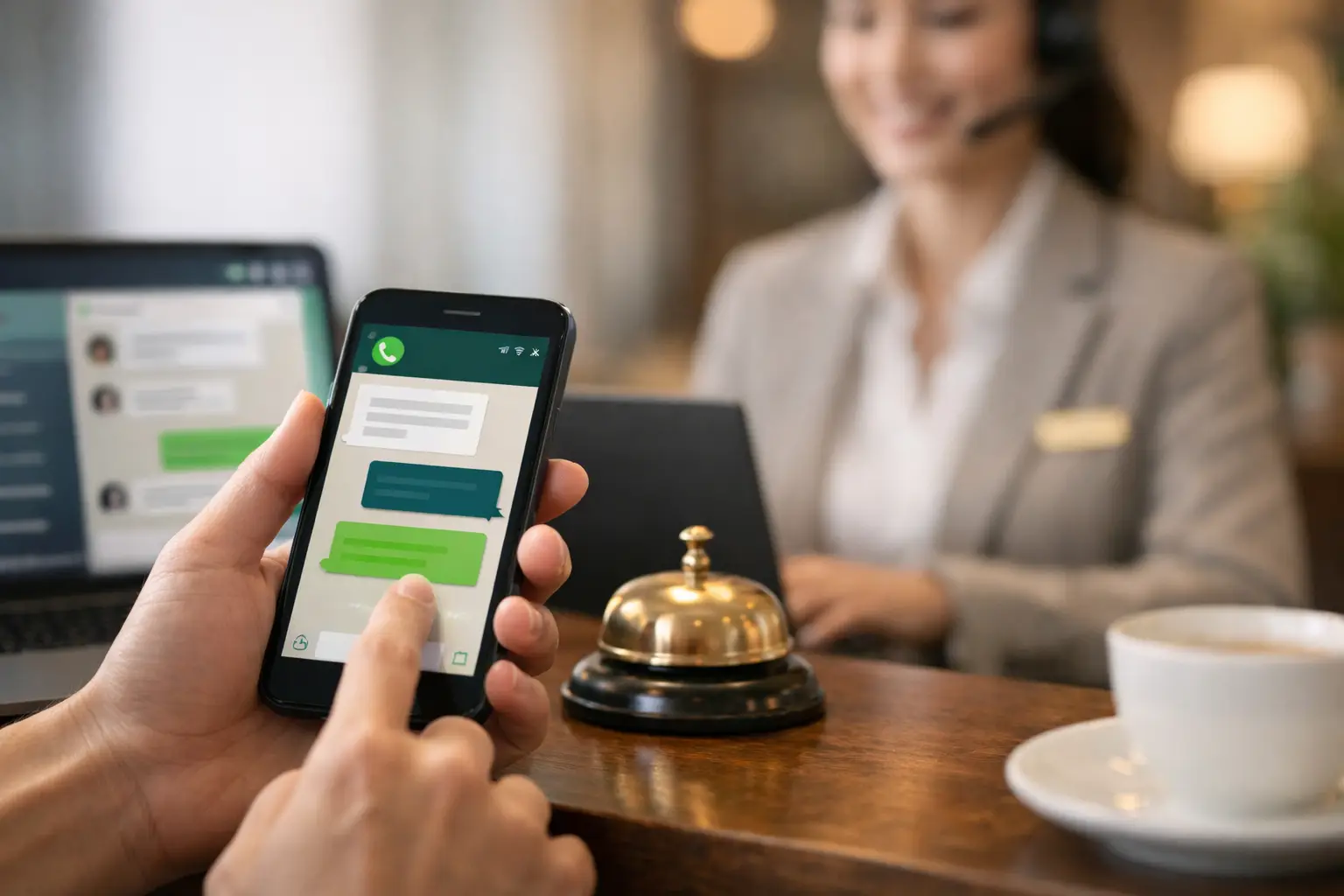
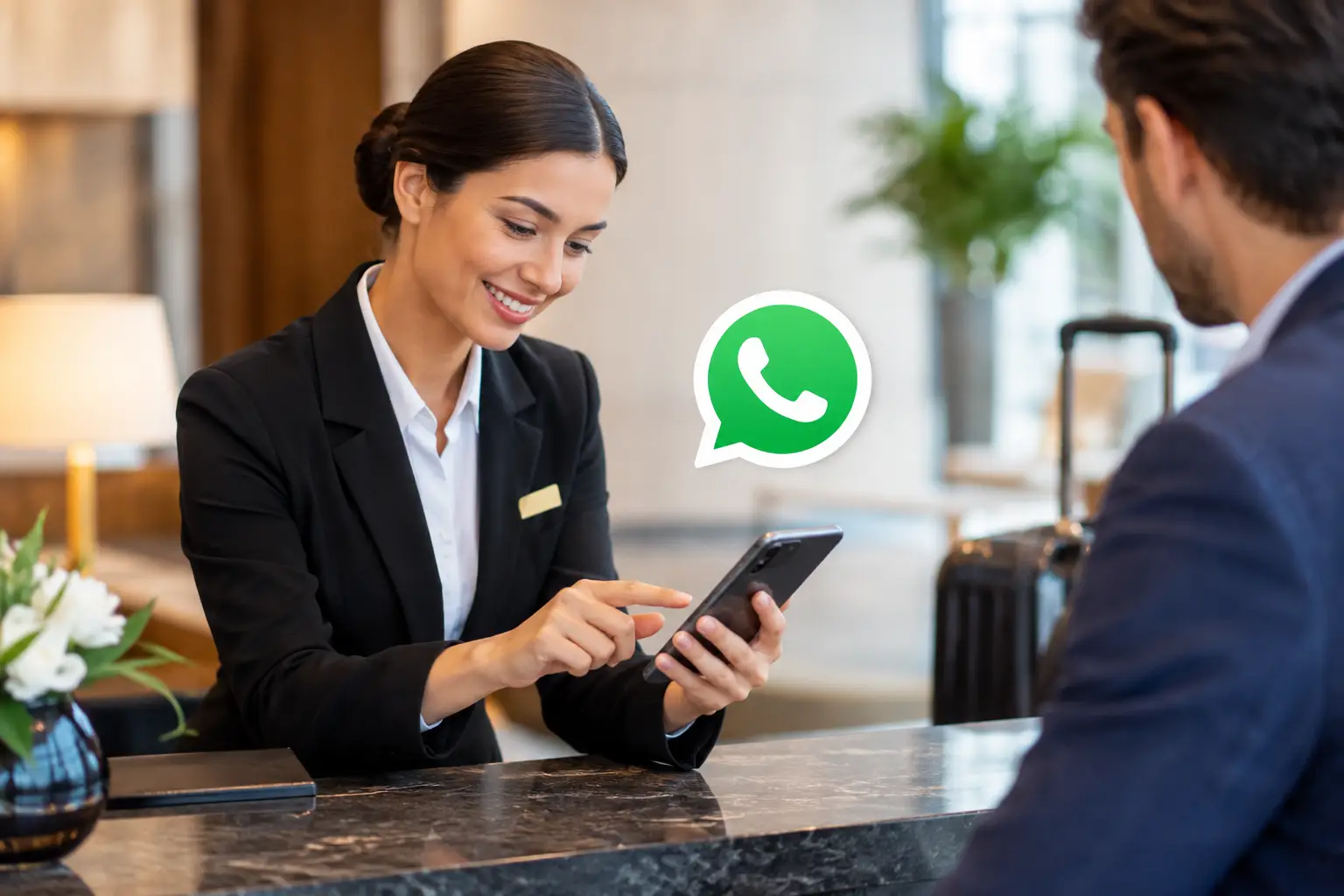
A guest sends a message at 10:45 p.m. asking for late checkout, parking details, or the quickest route to a restaurant nearby. If the only response path is a front desk phone line or an email queue, the business has already introduced friction. To deploy WhatsApp guest concierge service effectively is to give guests a familiar, immediate channel while giving operators a structured system for service, data capture, and follow-up.
For hotels, restaurants, retail locations, hospitals, transportation providers, and public venues, WhatsApp is more than a messaging app. Used correctly, it becomes a digital front desk that works alongside staff, not instead of them. The value comes from connecting guest requests to automated answers, live escalation, customer profiles, and measurable campaigns.
Start With the Guest Journey, Not the Chatbot
The strongest WhatsApp concierge deployments begin with the moments when a guest needs help. A hotel guest may need pre-arrival instructions, check-in support, amenity details, room service information, or local recommendations. A restaurant guest may want a table update, directions, menu answers, or a loyalty offer after a visit. At an airport, mall, or healthcare facility, the priority may be wayfinding, parking, operating hours, and service updates.
These are different use cases, and they should not be forced into one generic conversation flow. Map the customer journey from arrival through departure, then identify the questions that create the highest volume, longest wait times, or greatest revenue opportunity. This produces a concierge experience that is useful from the first message instead of a branded chatbot that sends guests in circles.
A practical starting point is to define three service layers: instant answers for common questions, guided actions for tasks such as booking or ordering, and human escalation for exceptions. Guests should always know when they are speaking with automation and when a team member has joined the conversation.
Build the WhatsApp Guest Concierge Around Consent
WhatsApp messaging must be permission-based. That is not simply a compliance requirement. It is what separates a helpful concierge channel from an intrusive marketing channel.
Guest Wi-Fi provides a valuable entry point. A captive portal can collect consent during sign-in, with clear language explaining what communications the guest agrees to receive and how they can opt out. The portal can also capture first-party information such as visit location, date, preferred language, and declared interests. When connected to a CRM or marketing platform, that data gives the concierge useful context without asking the guest to repeat basic details.
Consent should be specific to the expected use. Service messages such as check-in instructions or appointment updates have a different purpose from promotional messages about a future offer. Keep records of opt-in status, message history, and opt-out requests. Build suppression rules into the workflow so a guest who opts out is removed immediately from nonessential outreach.
There is a trade-off here. Asking for too much data at Wi-Fi login can reduce completion rates. Asking for too little can limit personalization and attribution. Most venues should request only the information needed to deliver the stated value, then enrich the profile gradually through voluntary interactions.
Connect Wi-Fi Data to Concierge Conversations
A WhatsApp concierge becomes commercially useful when it recognizes context. If a returning hotel guest connects to Wi-Fi, the business should be able to identify the property, their prior visit history, and whether they have an active reservation, subject to the systems available and the permissions collected.
This is where a unified guest Wi-Fi marketing platform changes the operating model. Instead of treating Wi-Fi logins, WhatsApp messages, email campaigns, and paid remarketing as disconnected activities, operators can build a shared customer record. A guest who asks about a spa treatment can be tagged for wellness interest. A customer who visits a retail store twice in a month can receive a relevant loyalty invitation, provided they have opted in.
Wifi Marketing supports this approach by connecting captive portal data capture, automated messaging, segmentation, and campaign reporting in one operating environment. The objective is not to send more messages. It is to make each approved message more timely and relevant.
Design Conversations That Move Guests Forward
Concierge flows should use short prompts and clear choices. Guests are usually messaging while walking, waiting, checking in, or trying to solve a problem quickly. A long menu of options creates unnecessary abandonment.
For a hotel, the opening message might guide guests toward check-in help, property information, dining, local recommendations, or speaking with staff. For a restaurant, it may focus on reservations, waitlist status, menu questions, directions, and feedback. Each selection should lead to an answer, a transaction path, or a live handoff.
Use automation where speed matters and human staff where judgment matters. Automated responses are well suited to hours, directions, Wi-Fi support, policies, menus, and frequently requested information. A live team member should handle billing disputes, special accommodations, sensitive complaints, complex booking changes, and urgent safety issues.
The best handoff includes the conversation history and guest context. Requiring a guest to explain the issue again defeats the point of the channel. Give staff a dashboard view that shows the location, interaction topic, prior messages, and any relevant tags before they reply.
Keep Promotions Secondary to Service
Promotional messages can generate measurable revenue, but they should not dominate the concierge experience. A guest who asks where to park does not want an immediate stream of discount offers. First solve the request. Then, where appropriate and consented, offer a relevant next step.
For example, a guest asking about breakfast hours could receive the schedule and an optional link-free prompt to reserve a table. A shopper who requests store directions might later receive a location-specific event invitation. Relevance, timing, and frequency determine whether outreach feels valuable or excessive.
Prepare Your Team and Escalation Rules
Technology deployment does not eliminate operational ownership. Before launch, decide who monitors messages, what response-time standard applies, and which team owns each category of request. A restaurant may route reservation issues to hosts and food concerns to managers. A hotel may route maintenance requests to operations, concierge questions to guest services, and payment inquiries to the front desk.
Create escalation rules for messages that indicate urgency, dissatisfaction, or safety concerns. Keywords alone are not enough, because guests describe problems in different ways. Staff training should cover tone, response expectations, privacy boundaries, and when to move a conversation to a phone call or in-person support.
Start with business hours if 24/7 monitoring is not realistic. It is better to clearly state support availability than to imply immediate assistance and leave messages unanswered overnight. For venues that need round-the-clock service, automation can provide immediate guidance while urgent cases are routed to an on-call team.
Measure the Business Case, Not Just Message Volume
A high number of WhatsApp conversations does not automatically mean the program is working. Track operational and commercial outcomes together.
Monitor first-response time, resolution rate, live-agent escalation rate, opt-in rate, opt-out rate, and the most common conversation topics. Then connect those metrics to business results: booking completion, ancillary purchases, return visits, loyalty enrollment, review recovery, and campaign revenue.
Segment reporting by venue, location, guest type, time of day, and source of opt-in. A multi-location restaurant group may find that waitlist updates drive the highest engagement in urban stores, while loyalty offers perform better in suburban locations. A hotel may see that pre-arrival concierge messages reduce front desk questions but that post-stay outreach produces the strongest repeat-booking results.
Attribution will never be perfect, especially when a guest interacts across Wi-Fi, WhatsApp, email, and paid media. The goal is a credible view of contribution, not a misleading claim that one message caused every sale. Use control groups where possible and compare outcomes for opted-in guests against similar guests who did not receive a campaign.
Launch in Phases and Improve From Real Requests
A phased deployment reduces risk. Begin with one location or one service journey, such as pre-arrival hotel support or restaurant waitlist communication. Use the first few weeks to review unanswered questions, handoff failures, response times, and opt-out patterns. Those conversations will reveal what guests actually need, which is often different from what internal teams expect.
Once the core service flow performs reliably, expand into segmentation, loyalty enrollment, and approved re-engagement campaigns. The right pace depends on staffing, data quality, and the complexity of your existing systems. A simple, well-managed concierge at one property will outperform a broad rollout that staff cannot support.
The practical goal is straightforward: make every guest interaction easier to resolve and every consented interaction more useful to the business. When WhatsApp is connected to guest Wi-Fi, customer data, and accountable operations, the concierge becomes a channel that improves service now and builds stronger customer relationships after the visit.