A restaurant guest scans a QR code to view the menu, then asks for the WiFi password to work through lunch. A hotel guest connects to WiFi on arrival but never notices the QR code at the front desk. These moments explain why WiFi versus QR codes is not a simple technology comparison. They serve different customer behaviors, collect different levels of insight, and create different opportunities for follow-up.
For customer-facing businesses, the better question is not which tool to choose. It is which customer journey you need to improve, what data you need to capture with permission, and how you will turn that interaction into measurable revenue.
WiFi Versus QR Codes: Different Jobs, Different Value
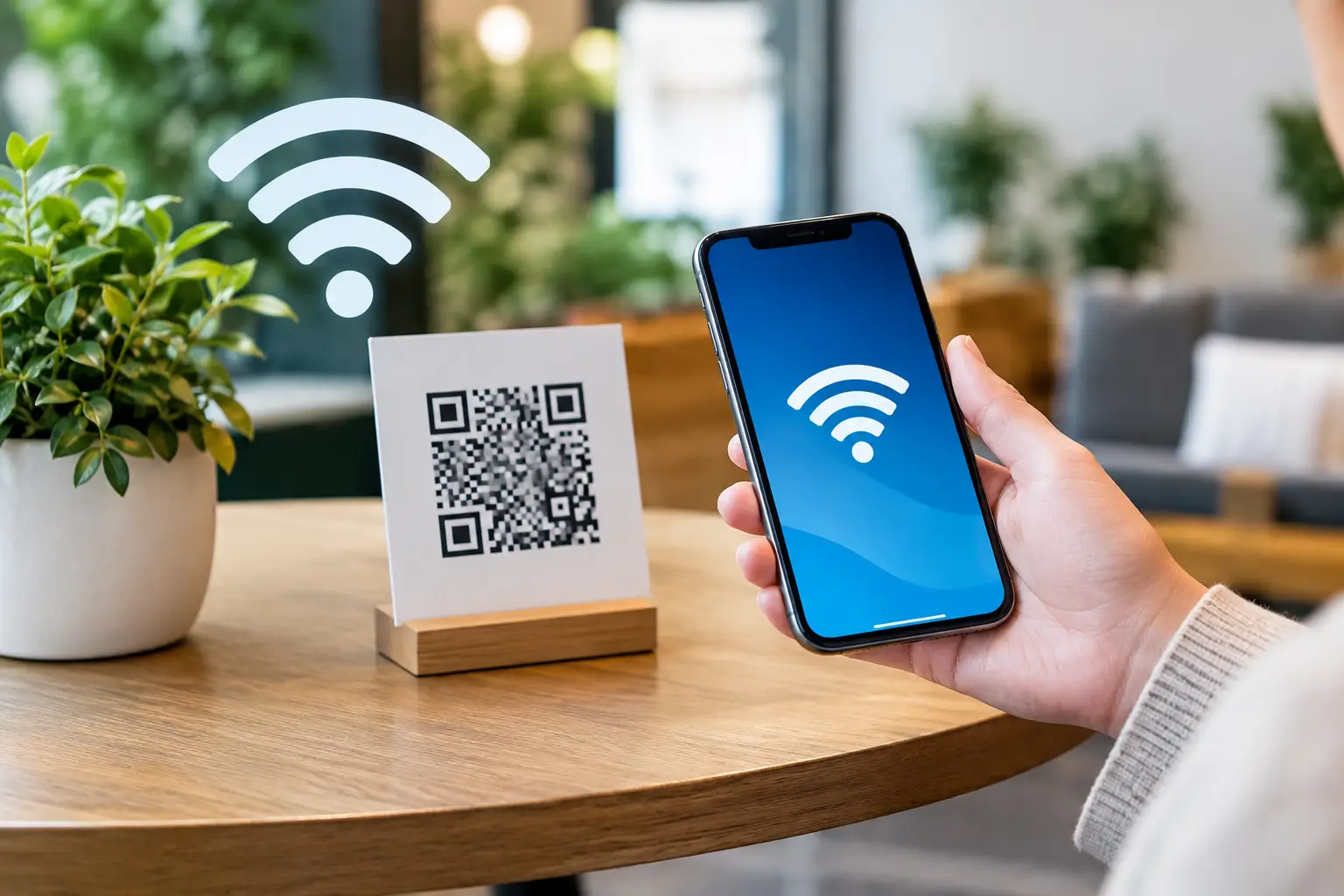
A QR code is a fast physical-to-digital bridge. It can send someone to a menu, booking page, feedback form, promotion, app download, product detail page, or WhatsApp conversation. The guest points a camera, scans, and takes action. There is no network connection requirement beyond cellular service or existing internet access, and the experience can be immediate.
Guest WiFi solves a different problem: connectivity. When visitors need internet access, a managed WiFi network can present a branded captive portal before they go online. That portal can collect opt-in contact details, request consent, recognize returning guests, display offers, and apply rules based on venue, visit frequency, or time of day.
The distinction matters commercially. A static QR code may tell you that a destination page received visits. A WiFi marketing platform can connect an on-site visit to a customer profile, consent status, session behavior, and automated communications. That makes WiFi especially valuable for businesses trying to build first-party audiences as paid media costs rise.
Neither channel is automatically better. QR codes often win when speed is the priority. Guest WiFi creates more strategic value when the business needs an ongoing relationship rather than a single interaction.
Where QR Codes Perform Best
QR codes work well when the requested action is obvious and the guest needs little motivation. Table ordering, digital menus, product instructions, loyalty enrollment, event schedules, payment pages, and quick feedback requests are strong examples. In each case, the code sits close to the moment of intent.
They are also useful where WiFi access is not the main customer need. A retail shopper may not want to join a network just to see product information. A patient visitor may use a QR code to find visiting hours. A transit rider may scan a code for route updates. The lower the commitment, the more likely a scan can be the right first step.
But QR codes have a marketing limitation: the code itself does not create a relationship. A scan can become an identifiable lead only when the landing experience earns information and consent. If the code leads to a generic web page with no clear call to action, the business may gain attention without gaining an audience.
Placement also determines performance. A code near a table can support ordering. The same code printed on a poster by an exit can support a review request or next-visit offer. Asking one QR code to perform every job usually produces vague messaging and weak conversion.
Where Guest WiFi Creates More Marketing Leverage
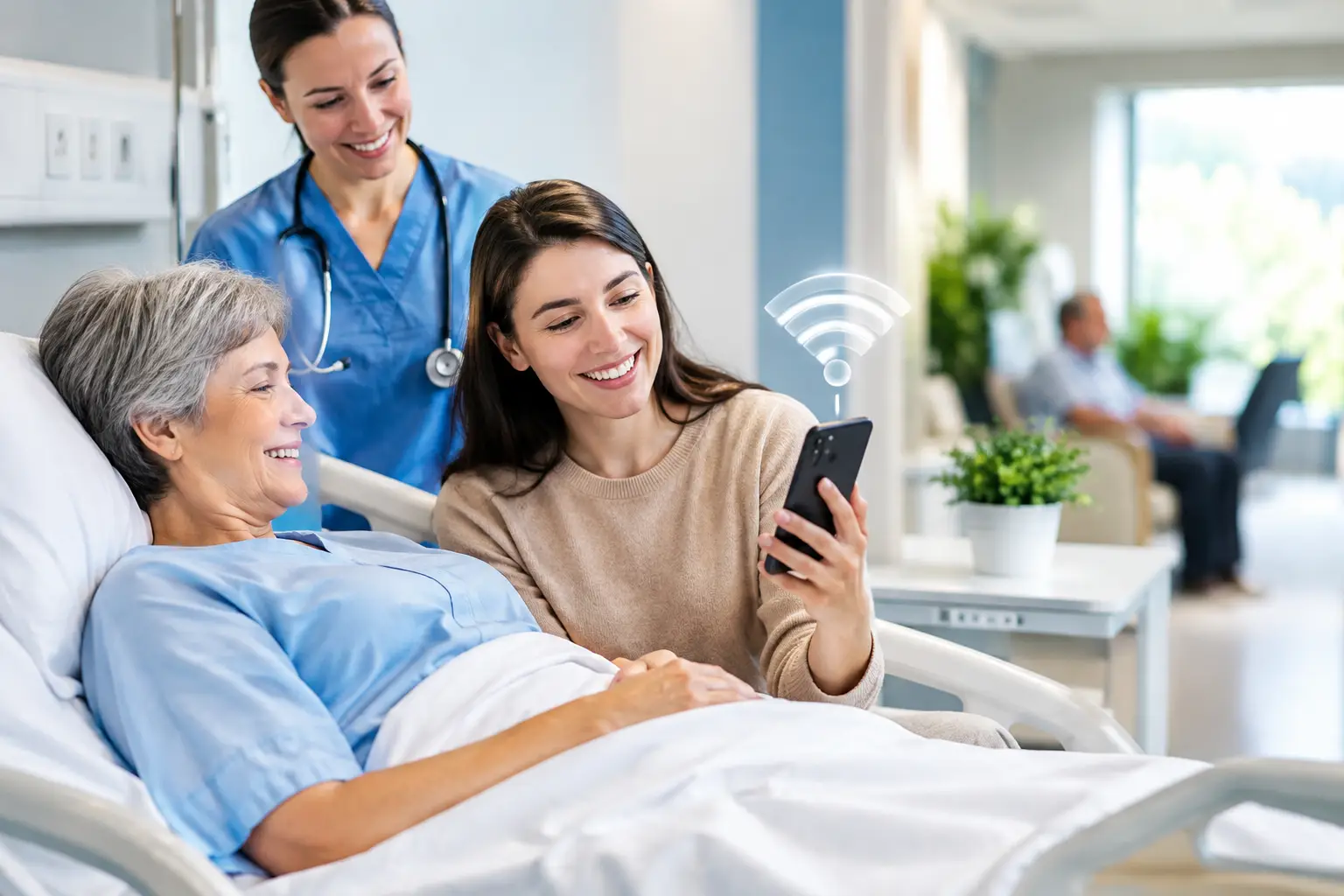
Guest WiFi is strongest in venues where people stay long enough to connect and where connectivity is part of the expected experience. Hotels, restaurants, cafes, malls, airports, hospitals, waiting areas, fitness facilities, and public venues are natural fits.
A well-configured captive portal turns the login moment into a controlled customer touchpoint. Instead of handing over a password on a chalkboard or receipt, the business can offer a branded experience that captures email or mobile data with appropriate consent. It can ask one or two useful questions, such as visit purpose, preferred location, or interest category, without turning access into a long form.
That data supports more than one campaign. A hotel can distinguish guests from meeting attendees. A multi-location restaurant can identify which location a guest visited. A retailer can create segments around store traffic and return frequency. Marketing teams can then use email, SMS, WhatsApp, or advertising remarketing audiences more intelligently.
The operational value is just as significant. A cloud-managed platform allows teams to update portal creative, offers, terms, and campaigns remotely across locations. For multi-brand operators and channel partners, that reduces the burden of coordinating local staff or rebuilding an experience every time a promotion changes.
The Data Difference: Scans Are Not Customer Profiles
The central decision point in WiFi versus QR codes is data quality. A QR platform may report scans, location-level activity, device types, and landing-page actions. Those metrics are useful for testing signage and measuring demand, but they are not automatically usable customer records.
Guest WiFi can provide a more complete view because access occurs through a login process. With a properly designed portal and clear consent language, businesses can collect contact details and marketing permissions directly. They can also recognize repeat visits when the same customer returns, subject to the network configuration and applicable privacy requirements.
That does not mean more data is always better. Asking for too much information before allowing access can create friction and reduce login completion. The best approach is progressive: collect only what supports the immediate value exchange, then enrich the profile through later interactions, preferences, loyalty activity, or concierge conversations.
A business should also avoid treating either channel as a shortcut around privacy obligations. Consent must be specific, transparent, and documented. Marketing teams need clear processes for opt-outs, data retention, and campaign permissions, particularly when using SMS or WhatsApp. Good data collection protects customer trust as well as campaign performance.
The Strongest Strategy Often Uses Both
QR codes and WiFi work particularly well when they are assigned to different moments in the same visit. A QR code can invite a guest into a high-intent experience, while WiFi provides the infrastructure for data capture and longer-term engagement.
Consider a hotel lobby. A QR code on a welcome display can start a WhatsApp concierge conversation for local recommendations, late checkout requests, or amenity questions. The guest WiFi portal can collect consent during network access and trigger a post-stay survey or a future booking incentive. The code handles convenience. WiFi supports relationship-building.
In a restaurant, a QR code can deliver a menu or limited-time offer instantly. WiFi login can identify opted-in guests for birthday rewards, lapsed-visitor campaigns, and location-specific promotions. A retailer might use QR codes for product education while using guest WiFi to build an audience for new arrivals and local events.
The key is consistent campaign design. The branding, offer, consent language, and follow-up should feel connected. If a customer scans a code for a 15% offer and later joins WiFi, the business should be able to recognize that context rather than starting the conversation over.
How to Choose the Right Starting Point
Start with the business outcome, not the hardware or printed signage. If your immediate goal is to reduce ordering friction, provide directions, collect reviews, or promote a single offer, QR codes can be deployed quickly and tested with minimal operational change.
If the goal is to grow a permission-based marketing database, identify return visitors, automate post-visit outreach, or improve advertising audience quality, managed guest WiFi deserves priority. Its value compounds when it connects to CRM, email automation, SMS, WhatsApp, and remarketing workflows.
For many operators, the most practical rollout starts with the existing guest network. Audit how visitors currently connect, whether the login page is branded, what information is collected, and where data flows after capture. Then add QR codes only where they remove a specific customer friction or create a clear action opportunity.
Avoid measuring success by scans or logins alone. Track conversion to consent, profile completion, return visits, campaign revenue, review volume, booking activity, and cost per acquired customer. Those metrics reveal whether the channel is improving business performance rather than simply generating digital activity.
Wifi Marketing helps physical businesses turn the guest network into a measurable customer acquisition and retention channel, while supporting the QR-led experiences that make sense at key points of the visit. The practical advantage is not choosing a fashionable tool. It is building a connected path from a person in your venue to relevant communication after they leave.
The next time a team debates WiFi versus QR codes, map the guest journey on the floor before making the decision. The right technology becomes clearer when every scan, login, and message has a defined purpose for the customer and a measurable outcome for the business.