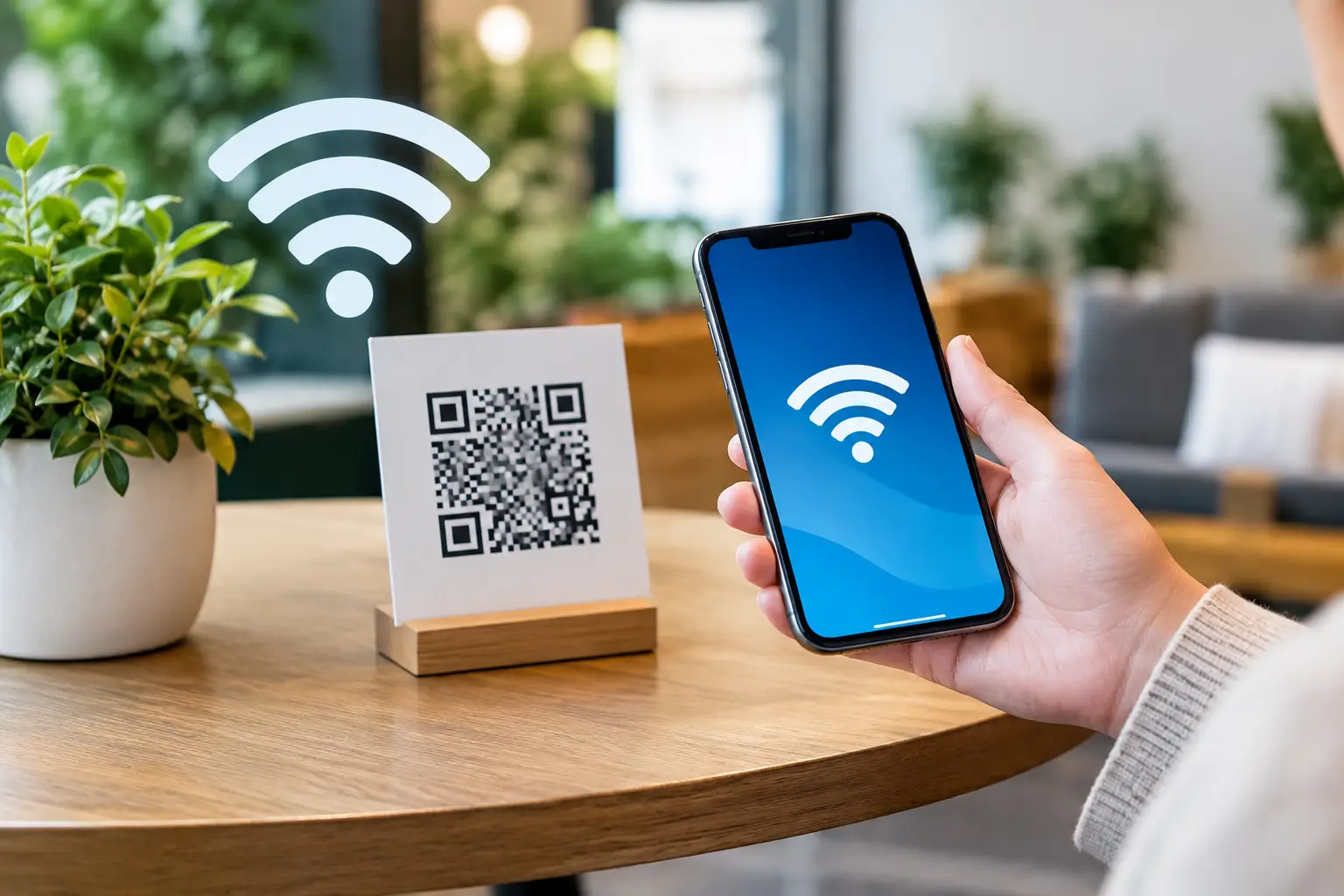

A guest joins your free Wi-Fi, accepts the terms, and is online in seconds. That interaction can be either a missed opportunity or the start of a measurable customer relationship. If you are asking, what is a splash page, the practical answer is this: it is the branded screen a guest sees before receiving internet access, and it can turn an anonymous visit into permission-based first-party data.
For a hotel, restaurant, retail store, hospital, airport, or public venue, that screen is more than a Wi-Fi login step. It is a controlled point of contact while a customer is physically present at your location. Used well, it supports data capture, consent management, segmentation, promotions, loyalty enrollment, and automated follow-up after the visitor leaves.
What Is a Splash Page?
A splash page is a landing page that appears when someone connects to a guest Wi-Fi network. It is typically part of a captive portal, the system that temporarily restricts internet access until the guest completes a required action such as accepting terms, entering an email address, verifying a phone number, or signing in through a selected method.
The splash page is the customer-facing experience. The captive portal is the technical mechanism behind it. People often use the terms interchangeably, but the distinction matters when planning a Wi-Fi marketing program. The portal manages access and authentication; the splash page communicates your brand, collects information, and directs the visitor toward a business goal.
A basic splash page may only include a logo, terms of use, and a Connect button. A marketing-focused splash page can ask for a name, email address, mobile number, birthday, preferred location, or marketing consent. It can also display an offer, promote an event, invite a loyalty sign-up, or introduce a WhatsApp concierge service.
Why Splash Pages Matter to Physical Businesses
Physical businesses have a persistent marketing challenge: customers visit, make a purchase or use a service, then leave with little connection to the business’s digital marketing system. Paid advertising can bring them back, but costs rise and attribution is often incomplete. A well-designed Wi-Fi splash page helps close that gap.
When guests voluntarily connect, the business can collect consented first-party data and connect an in-person visit to future communications. This creates an opportunity to send a welcome message, build a customer segment, trigger an email campaign, send an SMS offer, or create remarketing audiences for relevant ad platforms.
The value is not simply obtaining an email address. It is obtaining context. A visitor connected at a specific property, on a particular date and time, perhaps after seeing a specific promotion. For multi-location operators, that information can distinguish a guest at a downtown hotel from a shopper at a suburban retail location. For restaurants, it can support daypart-based campaigns. For transportation and public venues, it can help measure repeat visitation and engagement by location.
How a Wi-Fi Splash Page Works
The customer experience should be simple. After selecting the guest network, the visitor’s device opens the splash page automatically or prompts them to open it in a browser. The page presents the access options and any required notices. Once the guest completes the selected step, the captive portal authorizes the device and provides internet access.
Behind the screen, a Wi-Fi marketing platform can record session and campaign data based on the permissions granted. It can identify whether the visitor is new or returning, assign tags based on location or login method, and sync approved contact data into marketing workflows.
For example, a hotel guest may connect through a page that offers a choice: continue with Wi-Fi access only, or opt in to receive local recommendations and property offers through email or WhatsApp. A restaurant may offer a free appetizer on a future visit in exchange for an email opt-in. A mall may use location-specific splash pages to promote retailers, events, or parking updates.
The access flow must match the venue and the audience. A busy coffee shop should minimize friction. A resort with longer stays may have more room for preference collection and concierge enrollment. The right approach depends on the value exchange and the information you genuinely need.
What a High-Performing Splash Page Includes
A splash page should look and feel like part of the customer experience, not an interruption caused by the network. Strong pages generally combine clear branding, a concise value exchange, transparent consent language, and a fast path to connectivity.
The brand identity matters because guests need confidence that they are joining the legitimate network. Use a recognizable logo, colors, venue name, and a clean layout that works well on mobile devices. Avoid crowded pages, tiny terms, and excessive form fields that make the connection process feel like a barrier.
The offer should answer a simple customer question: why should I provide more than the minimum information needed to get online? A hotel may offer local recommendations, late checkout alerts, or exclusive on-property promotions. A retailer may offer a first-purchase incentive or early access to seasonal sales. A healthcare waiting area may focus on convenient access, service updates, and clearly separated non-promotional communications.
Consent should never be hidden. Separate Wi-Fi terms acceptance from marketing opt-in where required, state what messages a guest may receive, and make the choices easy to understand. Compliance requirements vary by channel, jurisdiction, and campaign type, so operators should configure data collection and communication workflows with legal and privacy guidance appropriate to their business.
Splash Page Login Options and Their Trade-Offs
There is no universally best login method. The decision affects conversion rate, data quality, and the amount of follow-up marketing you can responsibly perform.
Email login is familiar, relatively low-friction, and useful for newsletters, promotions, and automated email journeys. It can also produce typos or secondary addresses, so verification and data hygiene matter. Mobile number login can support SMS and WhatsApp communications when explicit consent is collected, but many guests will be more selective about sharing a phone number.
Social login can reduce form entry, although its availability, permissions, and data access can change over time. Voucher codes or access codes work well for controlled environments, such as conference venues, premium lounges, or hotel packages, but may not generate meaningful marketing data on their own.
A click-through option, where guests accept terms without entering contact details, is appropriate when access speed or privacy expectations take priority. It still allows operational reporting on Wi-Fi usage, but it does not create the same direct customer communication opportunity. This is often a good baseline for hospitals, public services, or high-volume transit locations where a longer form could undermine the guest experience.
Turning Splash Page Data Into Revenue
Collecting contacts without a plan creates a database, not a marketing channel. The commercial impact comes from connecting splash-page activity to automated, relevant follow-up.
A first-time visitor can receive a welcome email with an offer to return. A repeat visitor can enter a loyalty-focused campaign instead of receiving the same introductory message again. Customers who connect at a particular location can receive local promotions, while guests who connect during an event can receive post-event content tailored to that experience.
Location and visit behavior also improve advertising efficiency. With the right consent and configuration, operators can build audiences for remarketing rather than relying only on broad, expensive targeting. This allows marketing teams to focus budget on people who have already demonstrated real-world interest by visiting a property or venue.
For multi-brand groups, central reporting is especially useful. Marketing teams can compare opt-in rates, returning visitor activity, campaign response, and location performance from one dashboard while still giving each venue a branded experience. The Wi-Fi infrastructure becomes a measurable acquisition and retention channel rather than an operating expense that sits outside the marketing strategy.
Common Splash Page Mistakes
The most common mistake is asking for too much, too soon. Requiring a long form before someone can check email or open a boarding pass will reduce completion rates. Start with the minimum viable data and offer an appealing reason for guests to share more.
Another mistake is treating every guest the same. A returning customer should not see the identical message as a first-time visitor, and a hotel guest should not receive the same campaign as a quick-service restaurant visitor. Segmentation by venue, visit frequency, time, campaign source, and consent status makes follow-up more relevant.
Finally, do not separate the page from the underlying network experience. Slow authorization, inconsistent branding, weak Wi-Fi coverage, or pages that fail on mobile can damage trust. Hardware compatibility, remote configuration, testing, and dashboard training are operational requirements, not afterthoughts.
A Splash Page Is the Beginning of the Conversation
A splash page is not valuable because it forces a guest to pause before accessing Wi-Fi. It is valuable because it gives your business a respectful, permission-based way to continue the conversation after the visit. When the page is fast, branded, transparent, and tied to useful automation, free guest Wi-Fi can support stronger loyalty, more efficient remarketing, and a clearer view of how physical traffic contributes to revenue.