A guest can leave your restaurant, hotel, retail store, or venue satisfied and still never return. The gap is often not service quality. It is the lack of a timely, usable way to understand what happened during the visit and follow up while the experience is still fresh. The best guest feedback collection tools do more than gather star ratings. They turn on-site interactions into first-party data, operational insight, and targeted retention campaigns.
For customer-facing businesses, feedback collection should not sit in a disconnected survey platform owned by one department. It should connect to the systems that shape guest communication: Wi-Fi, CRM, email, SMS, loyalty, reputation management, and marketing analytics. The right setup helps teams spot service issues early, recognize high-value guests, and create more relevant reasons to return.
What Makes a Feedback Tool Worth Using?
A feedback form is easy to create. Getting reliable responses from real guests, connecting those responses to visit behavior, and acting on the data is harder. That is where tool selection matters.
The strongest platforms reduce friction for the guest. A survey sent three days after a restaurant visit may still generate useful input, but a one-question prompt delivered immediately after Wi-Fi login, checkout, or a transaction captures a more accurate view of the moment. Timing should reflect the guest journey and the kind of decision your team needs to make.
Business buyers should also evaluate identity resolution. Anonymous feedback can reveal broad trends, but identified feedback supports personal follow-up, segmented offers, and better lifetime-value analysis. This does not mean asking every guest for a long profile. It means collecting permission-based contact data at appropriate moments and using it responsibly.
Finally, feedback tools need an operational path. If a low score does not create an alert, notify a manager, or influence a future campaign, it is just another dashboard metric. Look for automation, integrations, reporting by location, and controls that work across multiple brands or sites.
1. Captive Portal Wi-Fi Feedback Platforms
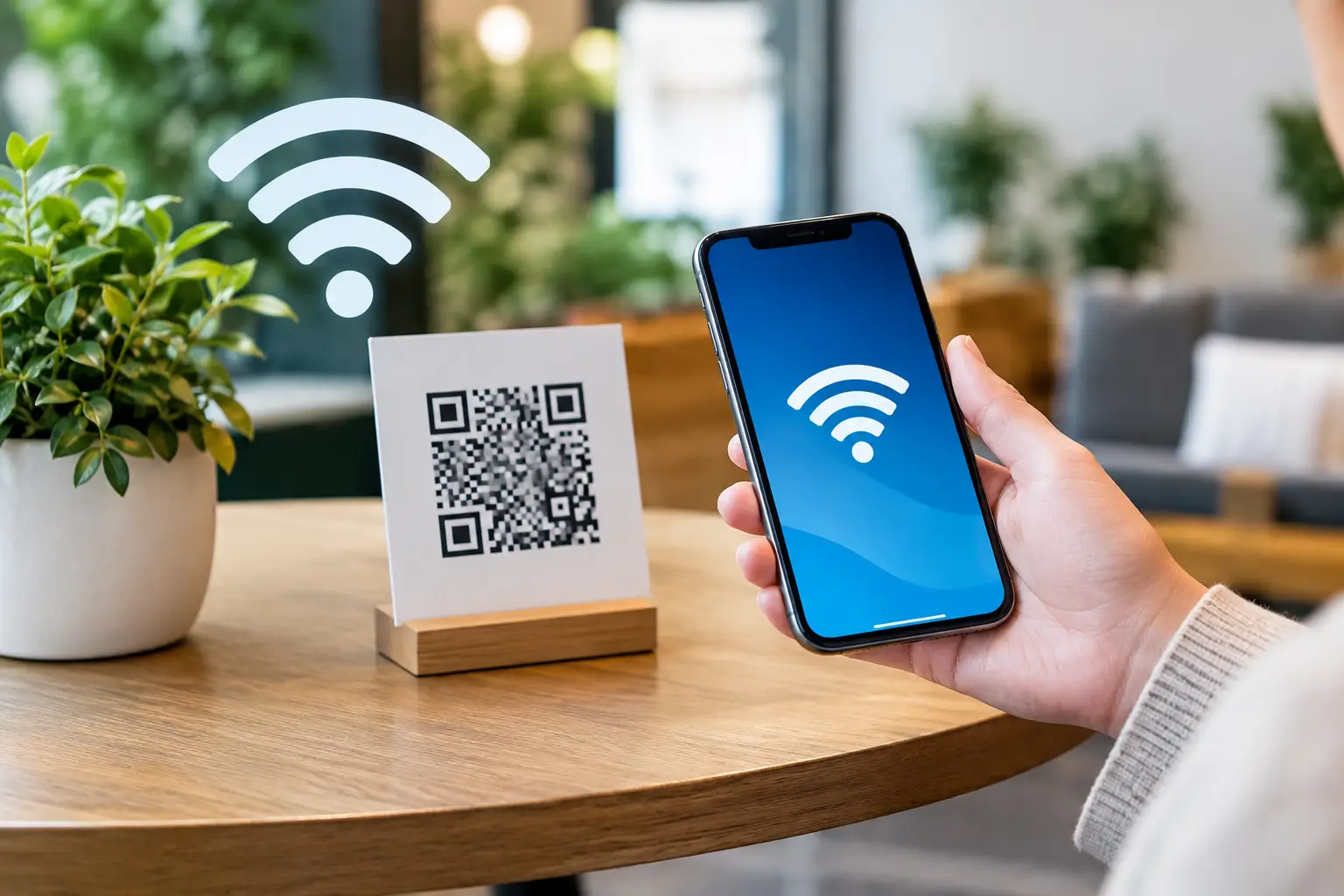
Guest Wi-Fi is one of the most underused feedback channels in physical business. When guests connect to a branded captive portal, they are already choosing to engage with your location digitally. That makes the portal a practical place to request a quick rating, ask a targeted question, or invite an opt-in for future communication.
For hotels, this could mean asking whether check-in was smooth or whether the guest found the property amenities they needed. For restaurants, it can be a single question about food, speed, or service. Retailers may ask whether the guest found the product they came in for. The key is keeping the request short enough that it does not interrupt access.
The strategic advantage is that Wi-Fi feedback can connect visit data with consented marketing data. Platforms such as Wifi Marketing combine captive portal engagement with data capture, automated messaging, segmentation, and remarketing capabilities. That gives operators a way to use guest feedback as part of a wider acquisition and retention system rather than an isolated survey exercise.
The trade-off is implementation. Wi-Fi-based feedback works best when the network, portal design, consent language, and follow-up workflows are configured correctly. Multi-location operators should prioritize providers that support remote management, hardware compatibility, and location-level reporting.
2. QR Code Survey Tools
QR surveys are useful when you need a simple, low-cost feedback layer without requiring guests to join Wi-Fi or download an app. A table tent, receipt, room card, counter display, or exit sign can direct guests to a mobile-friendly survey in seconds.
This approach is especially effective for collecting feedback at a specific touchpoint. A hospital cafeteria can ask about food quality. A transportation lounge can ask about cleanliness. A hotel can place a QR code in a room or at checkout to identify maintenance issues before they appear in public reviews.
The limitation is attribution. Unless the survey includes an optional email or phone field, QR responses are often anonymous. That is fine for operational trend analysis, but it limits personalized recovery and remarketing. QR codes also need disciplined placement and rotation. A code hidden at the bottom of a receipt will not generate the same response rate as one presented while the guest is still engaged.
3. SMS Feedback Platforms
SMS is one of the fastest channels for post-visit feedback because it is direct and typically read quickly. It is well suited to businesses that already collect consented mobile numbers through reservations, ordering, loyalty enrollment, appointment systems, or Wi-Fi registration.
A concise message can ask for a one-to-five rating and route respondents based on their answer. Guests who rate an experience highly can be invited to leave a public review. Guests who report a problem can be directed to a private form or a service recovery conversation. This approach helps protect reputation while giving managers a chance to solve issues before frustration becomes public.
SMS is powerful, but the compliance and frequency rules matter. Businesses need clear consent, sensible send timing, and a recognizable sender identity. A message sent too late feels irrelevant; too many messages feel intrusive. Use SMS for high-value moments, not every interaction.
4. Email Survey and Automation Tools
Email remains valuable for longer-form feedback, especially in hospitality, healthcare, events, and higher-consideration retail. It gives you room to ask about multiple parts of the experience and can include conditional questions based on a guest’s first response.
For example, a hotel guest who gives a low score for room cleanliness can receive a follow-up question about the issue, while a guest who praises the stay can be invited to join a loyalty program. An event venue can segment attendees by session satisfaction and use the results to improve programming or promote future events.
Email surveys are most effective when tied to a real event such as checkout, purchase, appointment completion, or post-event follow-up. Generic monthly surveys tend to produce weaker response rates and less actionable feedback. Integrating survey responses with your CRM makes the data more useful for campaign targeting and customer service workflows.
5. Reputation Management Tools
Public reviews influence booking, dining, shopping, and travel decisions before a guest ever reaches your location. Reputation management tools help teams monitor reviews across major platforms, assign responses, track rating trends, and compare locations.
Their main strength is visibility. A regional operator can identify a location with declining cleanliness comments, slow service complaints, or recurring praise for a particular team member. That information is valuable for training and local management.
However, public review management is not a replacement for private feedback collection. Guests with a serious complaint may not want to post it publicly, and waiting for a negative review means you are already reacting late. The better model uses private feedback to detect problems early, then uses review management to maintain a responsive public presence.
6. POS, Reservation, and CRM-Triggered Surveys
The best time to request feedback is often determined by a transaction or visit milestone. POS, reservation, ticketing, appointment, and CRM systems can trigger surveys after a purchase, completed stay, attended event, or fulfilled order.
This method improves relevance because the message is linked to a known experience. A restaurant can survey dine-in guests separately from delivery customers. A retailer can ask high-spend customers about product selection while asking first-time visitors whether staff assistance was easy to find. A hotel can compare feedback from business travelers, groups, and leisure guests.
The dependency is data quality. If customer records are incomplete or location data is inconsistent, automation will produce unreliable segmentation. Before launching, confirm that your systems can pass the right fields: visit date, location, transaction type, customer status, and communication consent.
7. On-Site Kiosks and Tablet Feedback Tools
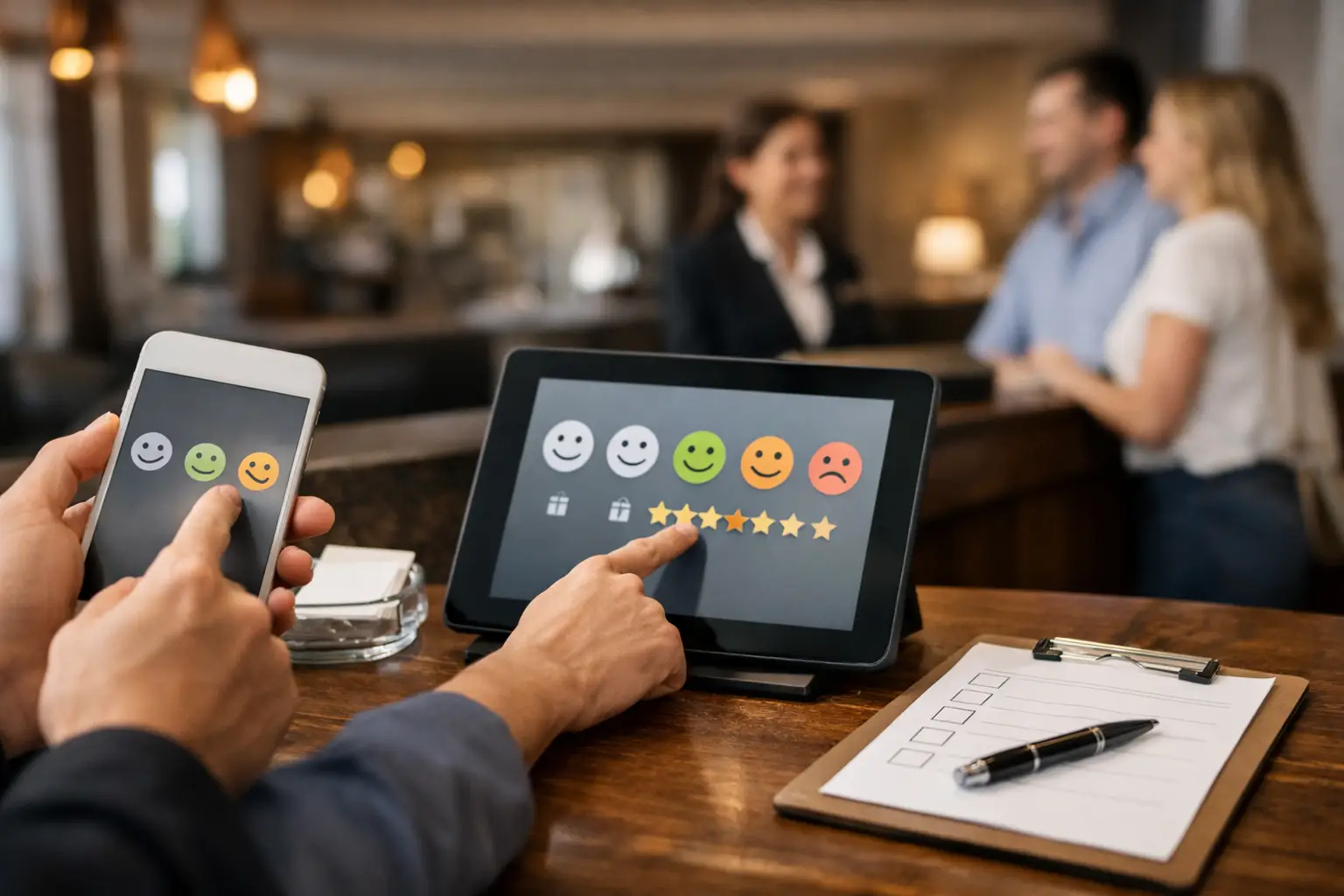
For high-traffic environments such as airports, malls, hospitals, museums, and food courts, a physical feedback kiosk can capture immediate sentiment from guests who may never join Wi-Fi or share contact information. These tools commonly use simple smiley-face ratings or short touch-screen prompts.
They are useful for measuring conditions in a specific area, such as restroom cleanliness, security screening, wait times, or staff helpfulness. Because the interaction takes only seconds, participation can be higher than a detailed survey.
Kiosks are less useful for building customer relationships because responses are usually anonymous. They also require physical maintenance, clear placement, and a plan for interpreting high-volume but low-context feedback. Use them to monitor operations, not as your only guest intelligence channel.
How to Build a Feedback Collection Stack That Produces Revenue
Most businesses do not need every tool on this list. They need a connected combination that matches their guest journey. A quick-service restaurant may pair Wi-Fi engagement with SMS recovery messages. A hotel may use a captive portal, checkout email survey, and reputation management workflow. A mall or airport may combine kiosks for facility feedback with Wi-Fi data for opt-in communications.
Start with one business question: what do you need to improve or grow? If the goal is reducing negative public reviews, prioritize immediate private feedback and manager alerts. If the goal is repeat visits, prioritize identified feedback that feeds segmentation and automated offers. If location teams need better accountability, focus on dashboards that compare results by site, shift, or service category.
Keep surveys short, make follow-up timely, and give managers a defined response process. The value is not in asking guests to score you. It is in proving that their response changes what happens next. When feedback becomes part of your customer data and communication strategy, each visit can produce insight, service recovery opportunities, and a stronger reason for the guest to come back.