A restaurant can recognize a regular at the counter and still lose them digitally after the visit. That gap is why the best restaurant loyalty automation tools do more than issue points or send birthday coupons. They connect guest identity, visit behavior, ordering data, and timely communication so every location can turn a one-time diner into a known, reachable customer.
For operators, the buying decision is not really about choosing a rewards program. It is about building a repeat-visit engine without asking managers to manually export lists, create campaigns, or guess which offer will work. The right platform should reduce marketing labor while making every promotion more relevant and measurable.
What restaurant loyalty automation should actually do
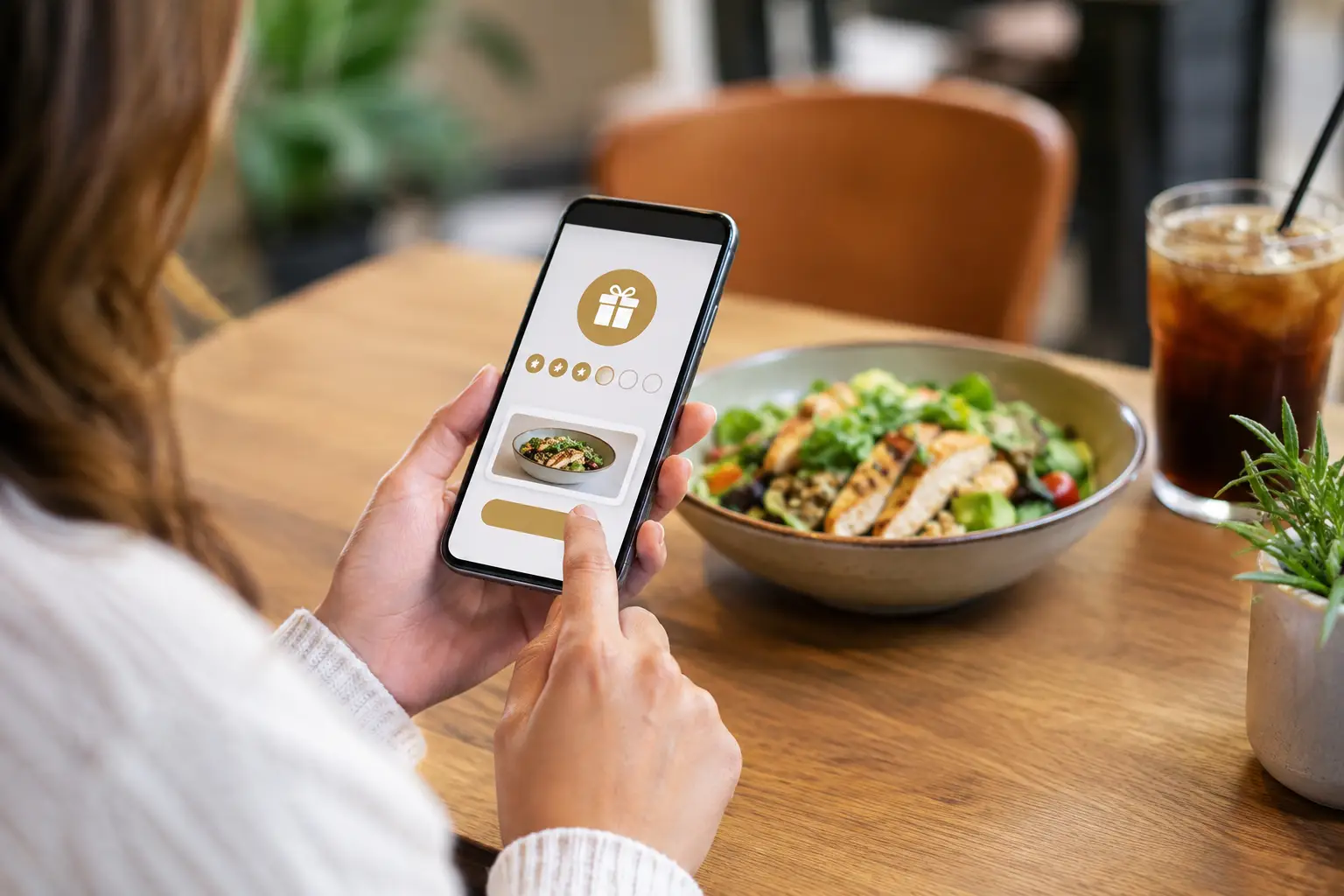
A basic loyalty app can record transactions and reward members after a purchase. Automation adds the operational layer that produces revenue between visits. It should identify a new guest, place them in the right audience, trigger a message based on behavior, and measure whether they returned.
For example, a first-time Wi-Fi guest who has not returned in 21 days can receive a tailored lunch offer. A frequent dinner guest can be invited to try a new menu item. A customer who has stopped visiting can enter a win-back sequence rather than receiving the same weekly promotion as everyone else.
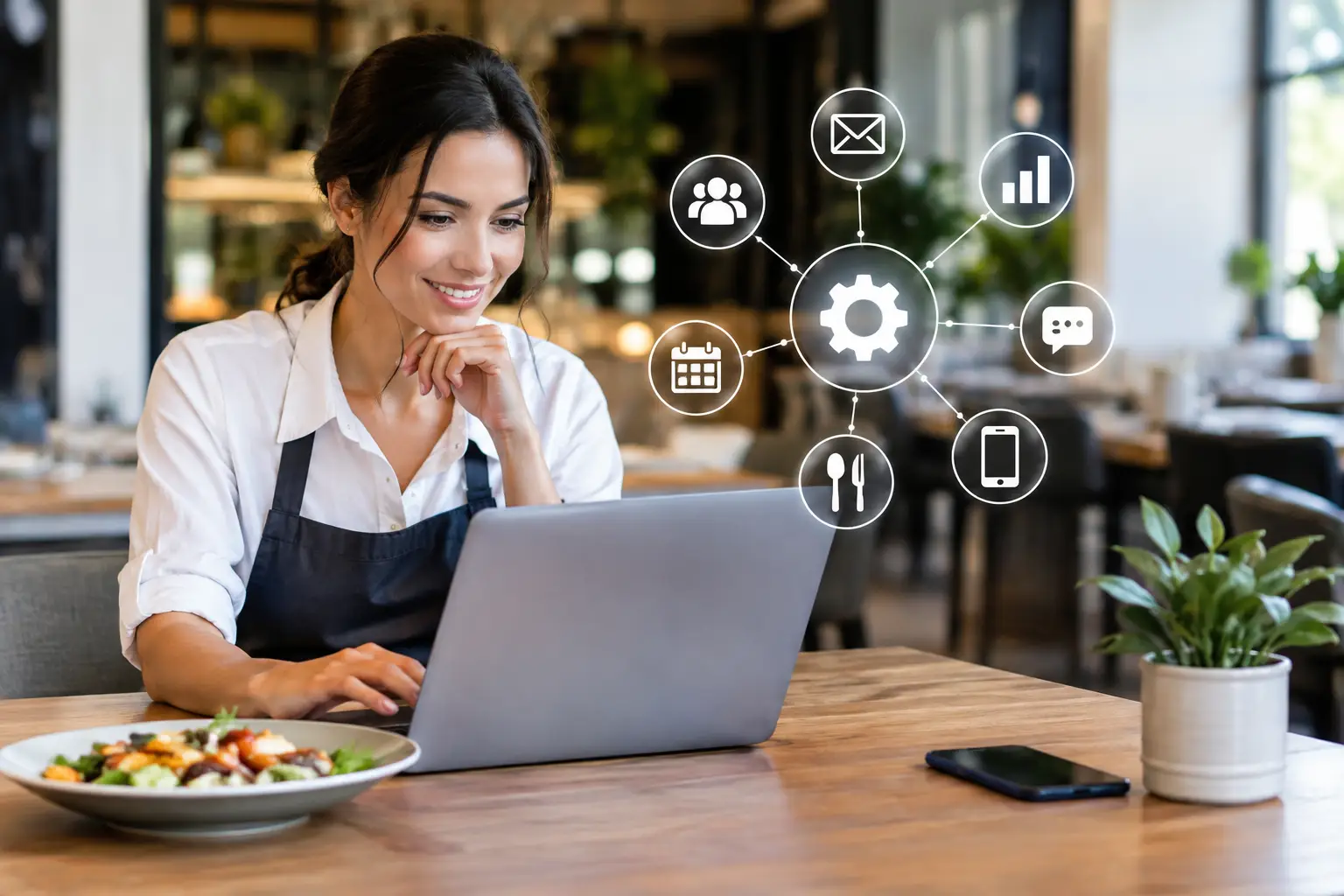
The strongest systems bring together several capabilities:
- First-party data capture from point-of-sale transactions, online ordering, reservations, guest Wi-Fi, and sign-up forms.
- Guest profiles that combine contact information, visit frequency, spend, preferred location, and purchasing patterns.
- Automated email, SMS, and, where appropriate, WhatsApp messaging based on real behaviors and consent.
- Audience segmentation for new guests, loyal customers, lapsed visitors, high-value diners, and location-specific groups.
- Offer delivery and redemption tracking that shows whether campaigns produced incremental visits and sales.
- Integrations that prevent customer data from becoming trapped in separate POS, reservation, and marketing systems.
Not every restaurant needs every feature on day one. A two-location quick-service concept may prioritize POS integration, SMS, and simple win-back campaigns. A multi-brand restaurant group may need cross-location identity resolution, role-based reporting, enterprise security, and deeper data integrations.
Best restaurant loyalty automation tools by operating model
The best fit depends on how guests engage with your restaurant and where customer data originates. Here are the leading categories and platforms worth evaluating.
Toast Loyalty for Toast-first restaurants
Toast Loyalty is a practical choice for restaurants already operating on the Toast ecosystem. Its central advantage is proximity to transaction data. Operators can enroll guests, apply rewards, and use purchase history without building a complex integration layer between their POS and loyalty program.
This makes Toast especially attractive for independent restaurants and growing multi-unit operators that want fast deployment. The trade-off is ecosystem concentration. If your technology stack includes multiple POS platforms, non-Toast locations, or a broader guest-data strategy that depends heavily on Wi-Fi, reservations, and external channels, evaluate how much flexibility you retain.
SevenRooms for reservation-led guest relationships
SevenRooms is designed around guest experience, reservations, and hospitality intelligence. It is particularly relevant for full-service restaurants where knowing a guest’s preferences, dining history, and special occasions can influence service as much as a discount does.
Its strength is a more hospitality-centered view of loyalty. A chef-driven restaurant may benefit more from recognizing a high-value guest and personalizing their experience than from offering points. However, operators should confirm how its marketing automation, POS connections, and loyalty mechanics align with their exact revenue goals. It can be more than a rewards tool, which is valuable when your team is prepared to use that depth.
Paytronix for established restaurant brands
Paytronix is built for restaurant, convenience, and retail brands that require mature loyalty, ordering, and guest engagement capabilities. It is often considered by larger chains looking to coordinate loyalty rewards, digital ordering, stored value, and targeted marketing from a central program.
For enterprise teams, its breadth can be a major advantage. A brand with a large member base needs governance, reporting, and scalable campaign controls. The consideration is implementation scope. More capable platforms generally require clearer data ownership, internal stakeholders, and a deliberate rollout plan. They are not a substitute for a defined loyalty strategy.
Punchh for enterprise personalization
Punchh, part of PAR Technology, serves enterprise restaurant brands focused on high-volume loyalty and personalized digital engagement. Its capabilities are well suited to chains that want to use customer behavior across ordering, app activity, offers, and visits to improve retention.
This is a serious option for sophisticated organizations with the operational resources to use detailed segmentation and analytics. For a small operator, that level of enterprise configuration may be unnecessary. The best technology purchase is not the platform with the longest feature list. It is the one your marketing and operations teams will use consistently.
Thanx for guest engagement and retention
Thanx focuses on guest engagement, loyalty, and retention marketing for restaurants. It can be a strong fit for brands that want to move beyond generic points programs and build targeted lifecycle communication around dining behavior.
The key question is whether the platform maps cleanly to your data sources and customer journey. Ask to see how it handles a guest who orders through a third party, visits in person, joins Wi-Fi, and later orders directly. A loyalty system should make that customer more recognizable over time, not create duplicate records.
WiFi Marketing for on-premise data capture and automation
For restaurants with meaningful dine-in traffic, WiFi Marketing addresses a commonly missed part of the loyalty equation: the guest who visits but never joins an app or completes a transaction-linked enrollment. A branded captive portal can capture consented first-party data when guests access Wi-Fi, then use that information for segmented email, SMS, remarketing, and WhatsApp concierge communication.
This approach is especially useful for cafes, casual dining, food halls, and multi-location brands that want to connect physical foot traffic with digital follow-up. It complements a POS-based loyalty program by creating a reachable audience before a guest has become a known loyalty member. Remote configuration, analytics, and multi-brand hardware support also matter when a restaurant group needs consistent execution across locations.
How to evaluate loyalty automation before signing a contract
Start with the customer journey, not the software demo. Map the ways a guest can identify themselves: a POS checkout, online order, reservation, QR code, mobile app, Wi-Fi login, or text-to-join flow. Then identify where those records are currently stored and whether the system can unify them responsibly.
Next, ask vendors to demonstrate the automations your team will run in the first 90 days. Good examples include a welcome sequence for new members, an incentive after a first visit, a lapsed-guest campaign, a VIP recognition flow, and a location-specific offer during slow dayparts. If those workflows require custom development or repeated manual work, the automation is not as operationally useful as it appears.
Measurement deserves equal attention. Revenue attribution is rarely perfect, especially when guests see an offer and return without redeeming a code. Still, the platform should provide a credible view of enrollment growth, active members, repeat frequency, redemption, campaign-driven revenue, and results by location. For groups with multiple concepts, reporting should separate brand and store performance without forcing teams into spreadsheet cleanup.
Consent and deliverability are also business requirements, not legal footnotes. Confirm how the vendor captures marketing consent, manages unsubscribes, handles SMS compliance, and protects guest data. An aggressive messaging strategy that damages trust or reduces deliverability will cost more than it produces.
A smarter rollout for restaurant operators
The most effective launch is usually narrow. Begin with one or two customer segments and a small number of automated journeys. For example, enroll first-time Wi-Fi or POS guests into a welcome flow, then trigger a return incentive only when they have not visited within a defined period. That gives the team a baseline for response, redemption, and repeat behavior.
Avoid training guests to wait for discounts. Loyalty should include recognition, convenience, early access, and relevant communication, not only price reductions. A high-value guest may respond better to priority reservations, a menu preview, or a thoughtful birthday message than to another percentage-off coupon.
Set ownership from the start. Marketing should manage campaign strategy and creative, operations should validate that offers work in-store, and leadership should review performance against clear retention and revenue targets. When responsibility is shared but undefined, loyalty programs become another underused dashboard.
The right tool will not replace a compelling restaurant experience. It will make that experience easier to remember, easier to repeat, and far easier to measure. Start with the guest data you can collect ethically at every visit, then automate the next message your customers will genuinely want to receive.