A guest who has not returned in 45 days is not necessarily lost. They may have changed routines, tried a competitor, or simply never received a reason to come back. A well-built restaurant win-back campaign turns that uncertainty into a controlled retention process: identify lapsed guests, contact them with a relevant message, and measure whether the outreach produces another visit.
For restaurant operators, this matters because acquiring a new customer typically costs more than encouraging a known diner to return. The challenge is that most restaurants have strong transaction data but weak guest communication data. They know what sold, but not who visited, how often they return, or which customers are beginning to lapse. Guest Wi-Fi can close that gap by converting an on-site amenity into a source of permission-based first-party data and automated follow-up.
What a Restaurant Win-Back Campaign Should Do
A win-back campaign is not a generic blast offering 10% off to every contact in the database. It is a targeted sequence for guests whose visit behavior indicates they may be drifting away. Its job is to restore attention before the relationship expires completely.
The strongest campaigns combine three elements: a clear definition of a lapsed customer, an offer or message that fits the guest’s likely motivation, and a simple way to track the return visit. Without those elements, restaurants can send plenty of messages while learning very little about what drives repeat revenue.
The timing depends on the restaurant model. A quick-service concept may define a lapsed customer as someone absent for 21 to 30 days. A full-service restaurant with an occasional dining pattern may use 60, 90, or even 120 days. There is no universal threshold. Start by reviewing the typical time between visits for your regular guests, then trigger outreach shortly after that expected window has passed.
Start With Guest Data You Can Actually Use
A win-back effort is only as useful as the data behind it. Email addresses collected through a printed sign-up sheet or an old loyalty form are rarely enough. Restaurant teams need current, consent-based customer data connected to real visits.
A guest Wi-Fi captive portal creates a practical collection point. Before connecting, visitors can provide an email address, mobile number, or social profile authorization, depending on the configuration and consent requirements. The platform can then record visit dates, return frequency, location, device behavior, and campaign engagement. That makes it possible to distinguish a first-time guest from a formerly frequent diner who has stopped appearing.
For multi-location brands, the value is even greater. A customer who has not returned to one location may still visit another. Centralized data prevents the brand from treating that guest as fully lapsed and allows marketing teams to tailor messaging by location, visit history, and market.
Data quality should take priority over volume. Ask only for information the restaurant will use, explain the value of connecting to Wi-Fi, and honor opt-in preferences. A smaller database of reachable, permissioned guests is more valuable than a large contact list with poor engagement and unclear consent.
Build segments around behavior, not assumptions
Segmentation makes a campaign feel intentional rather than promotional. Instead of sending the same message to everyone who has been absent for 60 days, group guests by their prior relationship with the restaurant.
A guest who visited once deserves a different message from someone who visited six times in three months. A lunch regular may respond to a weekday offer, while a family who visits on Saturday evenings may need an occasion-driven invitation. If available, combine Wi-Fi visit data with POS and loyalty data to identify spend level, ordering patterns, and preferred locations.
Useful win-back segments often include recent first-time guests who never returned, formerly frequent guests, high-value guests with a long absence, and customers who opened prior messages but did not visit. These groups do not need radically different creative. They need different timing, value propositions, and incentives.
Design an Offer That Protects Margin
Discounting can bring people back, but it can also train customers to wait for a promotion. The right offer depends on the reason a guest may have lapsed and the economics of the restaurant.
For a guest who has only visited once, a low-friction invitation can work well: a complimentary add-on, a new-menu preview, or a limited-time reason to try the restaurant again. For loyal guests who have disappeared, acknowledge the relationship. A message such as, “We have missed seeing you. Join us this week and enjoy a chef-selected appetizer,” feels more personal than a broad coupon.
Value does not always mean a percentage discount. Restaurants can use priority reservations, an early look at seasonal dishes, a bonus loyalty reward, or a family bundle designed for slower dayparts. These offers can preserve perceived value while directing demand toward the times when additional traffic matters most.
Set boundaries before launching. Determine the maximum offer cost, the campaign expiration date, and whether the incentive can be combined with other promotions. A short redemption window creates urgency, but it should match the normal visit cadence. Giving a weekly lunch customer two days to redeem may be too restrictive; giving a quarterly occasion diner three months may create no urgency at all.
Use a Sequence, Not a Single Message
One email is easy to send and easy to ignore. A short, automated sequence gives the restaurant multiple opportunities to reconnect without overwhelming the guest.
The first message should be warm and direct. Remind the customer of the experience, introduce a relevant reason to return, and make the next action obvious. For example, a neighborhood restaurant might promote a new seasonal menu, while a fast-casual location could focus on a convenient weekday meal solution.
If the guest does not engage, follow up several days later through the channel they have consented to receive. Email is effective for menu stories and richer visuals. SMS or WhatsApp is better for concise, time-sensitive reminders, particularly when an offer expires soon. The message should feel useful on a mobile screen, not like a shortened email pasted into a text thread.
A final message can create a clean stopping point: “Your return offer ends Sunday.” If the guest still does not return, suppress them from repeated promotions for a period and move them into a lower-frequency re-engagement audience. Persistence without relevance increases unsubscribes and weakens the brand.
An intelligent WhatsApp concierge can add another layer of value. Rather than only sending an offer, it can answer practical questions about hours, reservations, menu options, dietary needs, or the nearest location. That turns a re-engagement message into a live path toward a visit.
Connect Digital Outreach to an In-Store Return
The operational weakness in many campaigns is attribution. A marketing team sees opens and clicks, while the restaurant team sees diners at the door, but neither can confidently connect the two.
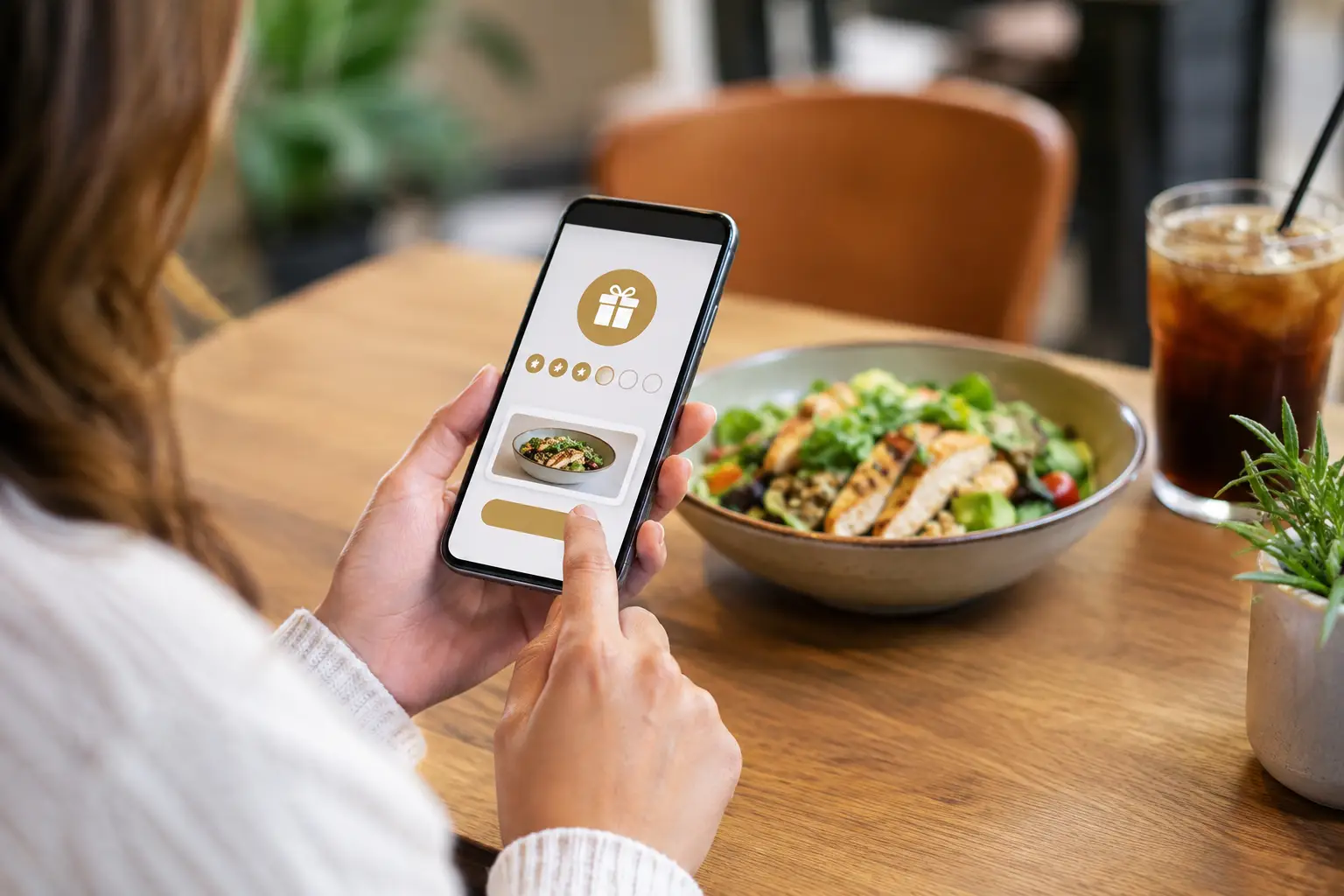
Use campaign-specific redemption codes, loyalty identifiers, landing pages, or Wi-Fi recognition to measure returns. When a guest reconnects to Wi-Fi after receiving a win-back message, the platform can identify a return visit without requiring the customer to present a coupon. This is especially useful for guests who saw the message but did not click.
Wifi Marketing helps restaurants connect guest Wi-Fi enrollment, visit behavior, automated email and SMS outreach, and remarketing audiences in one operating model. That gives teams a clearer view of who returned, which segment responded, and whether the campaign produced incremental revenue rather than simply rewarding customers who would have visited anyway.
For a more complete view, compare campaign recipients with a similar group that did not receive the offer. If the contacted group returns at a meaningfully higher rate, the campaign is creating lift. If both groups return at the same rate, the offer may be giving away margin without changing behavior.
Measure More Than Redemptions
Redemptions are useful, but they do not tell the whole story. A restaurant win-back campaign should be evaluated through return rate, time to return, average check after return, repeat visits after the first comeback, and the cost of each reactivated guest.
Also watch opt-outs, spam complaints, and engagement by segment. A high redemption rate paired with a sharp rise in unsubscribes is a warning that the program is too aggressive or poorly targeted. Similarly, an offer that attracts one low-margin return but no subsequent visits may not be as valuable as a smaller campaign that restores long-term customer frequency.
Review results by location, daypart, audience, and channel. A campaign that works for suburban dinner guests may fail for downtown lunch traffic. The goal is not to find one permanent offer. It is to build a repeatable testing process that improves with each cycle.
The most effective retention programs make returning feel easy and relevant, not desperate. When guest Wi-Fi data, thoughtful automation, and in-store measurement work together, a lapsed diner becomes a known customer with a clear path back to the table.