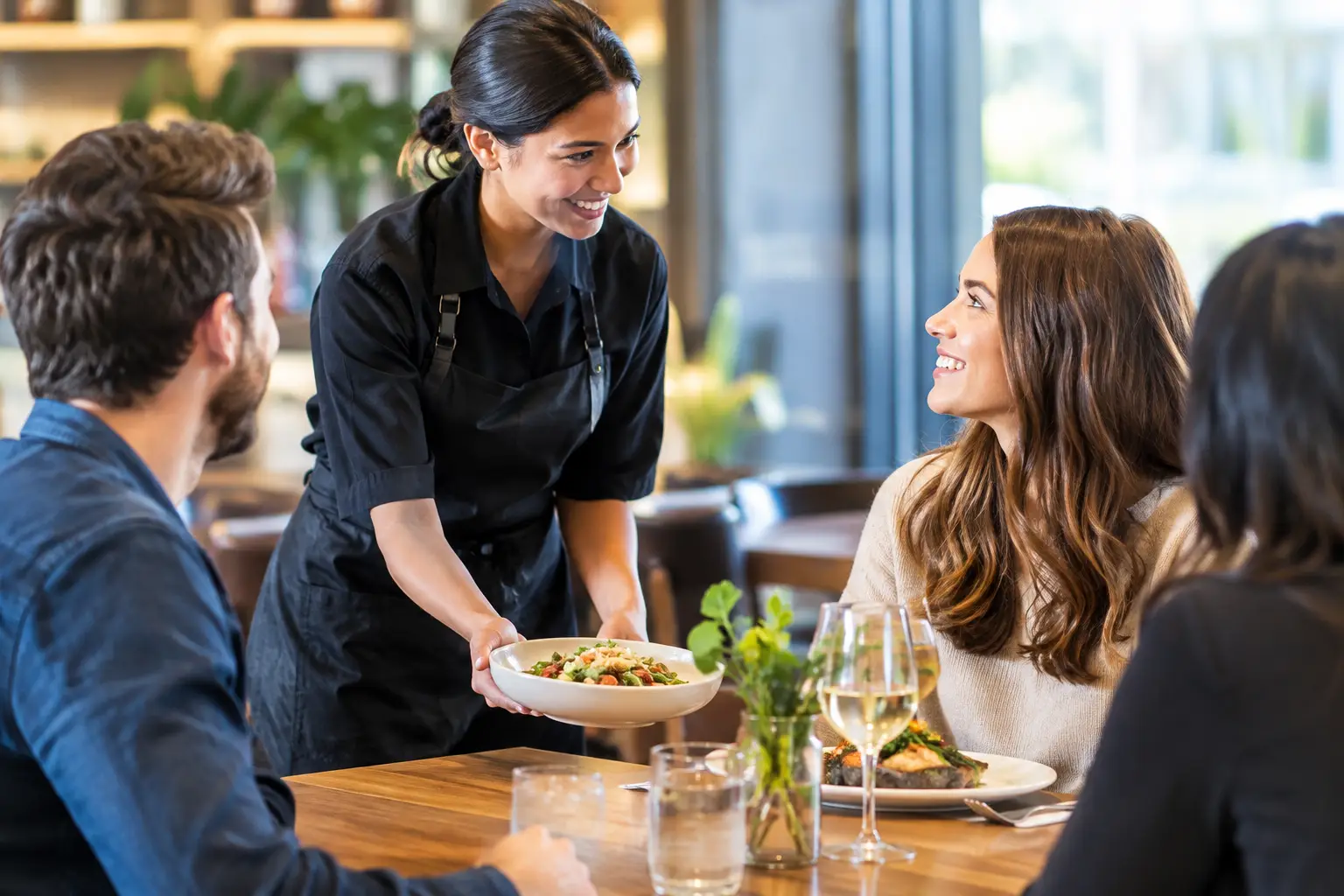
A restaurant can have a full dining room on Friday and still lose most of those guests by Monday. That is the core problem the top restaurant marketing automation ideas are designed to solve: turning one-time visits into permission-based, measurable customer relationships. The goal is not to send more promotions. It is to use visit behavior, guest preferences, and first-party data to send the right message when it can influence the next order, reservation, or visit.
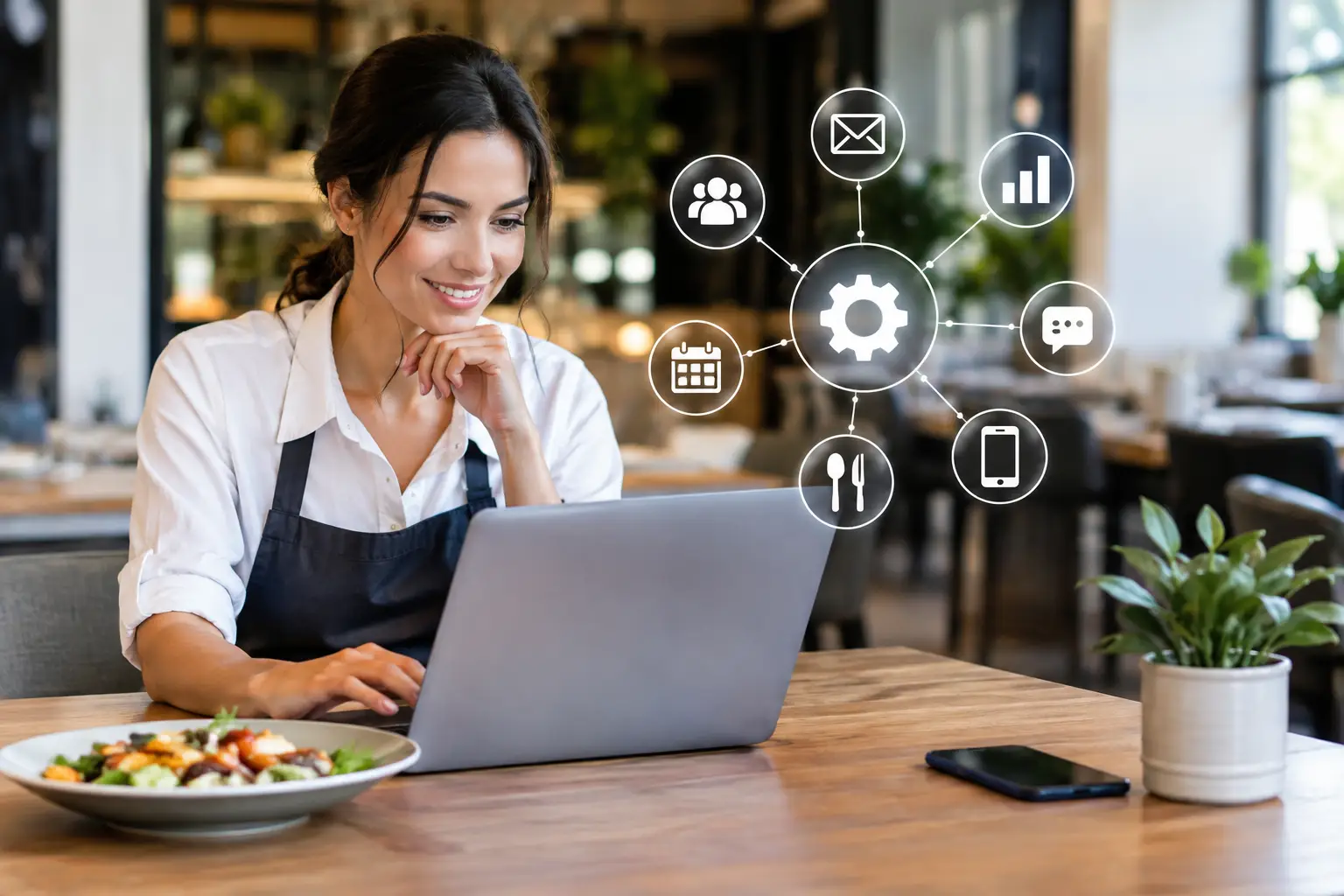
For independent restaurants, multi-unit operators, and hospitality groups, automation also reduces the operational burden on busy teams. A well-designed program keeps working between shifts, during slow periods, and across locations without requiring staff to manually build every campaign.
Start With a Restaurant Data Foundation
Automation is only as useful as the guest data behind it. Restaurant operators often have valuable information scattered among POS systems, reservation platforms, loyalty programs, delivery apps, and email tools. Guest Wi-Fi adds a critical on-premises data source because it connects a physical visit to a digital customer profile.
A branded Wi-Fi login can capture consented contact details and identify visit patterns, including first-time visitors, repeat guests, frequency, location, and time of day. That information should feed a central customer database or marketing platform where audiences can be segmented and campaigns can run automatically.
Data collection must be transparent. Ask for only the information needed, explain what guests are opting into, and use separate consent practices for email, SMS, and WhatsApp. SMS campaigns require appropriate opt-in processes, while email communications should meet CAN-SPAM requirements. Better consent creates a smaller but more responsive audience and protects the brand from short-term tactics that damage trust.
10 Top Restaurant Marketing Automation Ideas That Drive Revenue
1. Welcome first-time guests while the visit is fresh
A first visit is the strongest opportunity to establish a direct relationship. When a guest joins the restaurant’s Wi-Fi or completes a digital sign-up, trigger a welcome message shortly after the visit. Thank them, introduce the loyalty program, and give them one clear reason to return.
The offer does not always need to be a discount. A complimentary appetizer on a future visit, early access to a seasonal menu, or a birthday reward can protect margins better than a blanket percentage-off coupon. Set the message to send after the guest leaves rather than during the meal, when an interruption may feel intrusive.
2. Build a second-visit campaign, not just a first-visit offer
Many restaurants focus their entire acquisition budget on getting a guest through the door once. A better automation targets the point where a new customer is likely to become a repeat customer. If a first-time visitor has not returned after 10 to 21 days, send a tailored invitation to come back.
The ideal timing depends on the concept. A quick-service lunch location may use a seven-day window, while a special-occasion steakhouse may use 30 to 60 days. Test the interval by location and daypart instead of applying one rule across every brand.
3. Recover lapsed guests before they disappear
Guests who used to visit frequently but have stopped are often more valuable than entirely new prospects. Create an automated lapsed-guest segment based on each restaurant’s normal purchase cycle. For example, a weekly lunch guest who has not appeared in four weeks deserves different messaging than a diner who typically visits once per quarter.
A reactivation message should feel relevant, not desperate. Mention a new menu item, an event, a changed happy hour, or a loyalty benefit that matches the guest’s past behavior. If an incentive is necessary, make it time-limited and track whether it produces profitable return visits rather than one discounted transaction.
4. Use visit frequency to personalize loyalty communications
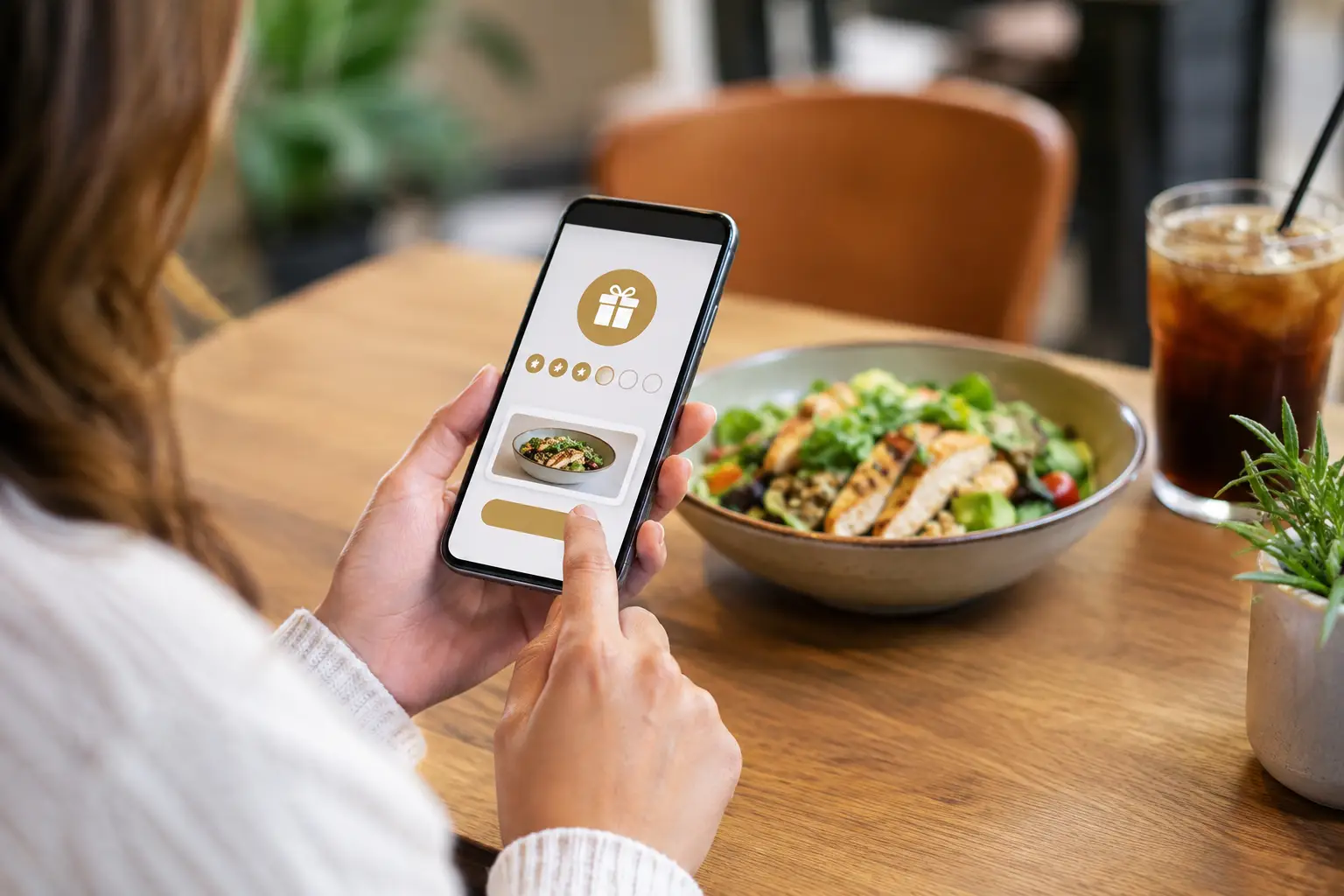
Not every guest should receive the same loyalty message. A customer on their second visit may need an explanation of program benefits. A frequent guest may respond better to a status reward, a personalized thank-you, or an invitation to a member-only event.
Automation can assign audiences based on visit count and trigger communications as guests reach meaningful milestones. For a multi-location group, it can also recognize guests who visit several locations and distinguish them from guests loyal to one neighborhood restaurant. That visibility supports better offers and smarter decisions about where to invest in local marketing.
5. Fill slow dayparts with targeted campaigns
Restaurants do not need more traffic at every hour. They need profitable traffic when capacity is underused. Build automations around slow periods, such as Tuesday dinner, late afternoon, or weekday lunch, and send offers only to guests most likely to respond.
A guest who regularly appears for lunch should not receive a late-night cocktail promotion. Segment by historical visit time, location, and engagement level. This approach lowers promotional waste and helps operators manage demand without training customers to wait for broad discounts.
6. Automate birthday and anniversary moments
Birthday offers remain effective because the occasion gives the message a clear purpose. Capture birth month or date only when guests voluntarily provide it, then trigger an offer far enough in advance for planning. For full-service concepts, a message sent one or two weeks before a birthday can support reservations for larger parties.
Anniversaries can work in the same way when reservation or concierge data supports them. The best version is not a generic coupon. It is a message that makes celebrating at the restaurant easier, whether that means a reserved dessert, preferred seating request, or a tailored group dining option.
7. Turn guest Wi-Fi into a review and feedback workflow
A post-visit feedback automation can identify service problems before they become public reviews. Send a brief survey after the visit, ideally with one question that measures satisfaction and another optional question for context. Route negative responses to a manager or customer recovery workflow, while inviting satisfied guests to share their experience publicly.
Timing matters. Send the request while the meal is memorable but not so quickly that the guest is still at the table. For operators, the real value is the reporting: feedback trends by location, shift, daypart, and guest type can reveal operational issues that POS sales data alone will not show.
8. Combine online ads with on-premises behavior
Paid social and search campaigns are more expensive when they target broad local audiences. Restaurants can improve efficiency by building consented remarketing audiences from known guests, then tailoring ads around return visits, catering, events, or new openings.
A guest Wi-Fi platform that integrates with Facebook and Google Pixel can help connect physical foot traffic with digital media activity. Use this capability carefully. Remarketing works best when ads add useful reminders or relevant local offers, not when customers feel they are being followed across every channel.
9. Automate private dining, catering, and event follow-up
High-value restaurant revenue frequently sits outside the regular dining room check. Guests who inquire about private events, catering, holiday parties, or group reservations need timely follow-up, and manual processes often fail when managers are busy.
Create an automated sequence that confirms the inquiry, collects event details, introduces the appropriate sales contact, and follows up if no response is received. A WhatsApp-based intelligent concierge can be particularly useful for responding to common questions quickly, qualifying leads, and moving urgent inquiries toward a human team member. The handoff should be clear whenever pricing, availability, or special requests require staff judgment.
10. Give multi-location guests location-aware messages
For restaurant groups, a message from the wrong location can make personalization feel careless. Automation should recognize the guest’s most visited venue, home area, and distance from other locations. A new-menu message, local event invitation, or weather-driven offer should come from the location most relevant to that guest.
This also helps franchise and regional operators maintain brand consistency while preserving local control. Corporate teams can provide approved templates and reporting, while individual locations tailor campaigns to their hours, menus, and neighborhood demand.
Make Automation Measurable and Operational
The strongest restaurant automation programs begin with a small number of journeys and clear performance targets. Start with first-visit conversion, lapsed-guest reactivation, and slow-daypart demand. Measure delivery, opens or clicks where relevant, redemption, repeat visits, average check, and revenue generated after the campaign.
Avoid judging success by vanity metrics alone. A high email open rate does not prove that an offer improved restaurant economics. Compare results against a control group when possible, and watch whether promotions create incremental visits or simply discount visits that would have happened anyway.
Technology setup also matters. Captive portal branding, Wi-Fi hardware compatibility, cloud configuration, audience rules, and dashboard training should be planned as one operating system rather than separate projects. Wifi Marketing helps restaurant teams configure that system so guest connectivity becomes an accountable acquisition and retention channel, not another underused amenity.
The most useful automation is often the least flashy: a timely thank-you, a relevant invitation back, or a fast response when a guest is ready to plan an event. Build those moments around real visit behavior, keep the messages helpful, and let every guest interaction earn its place in the restaurant’s revenue strategy.