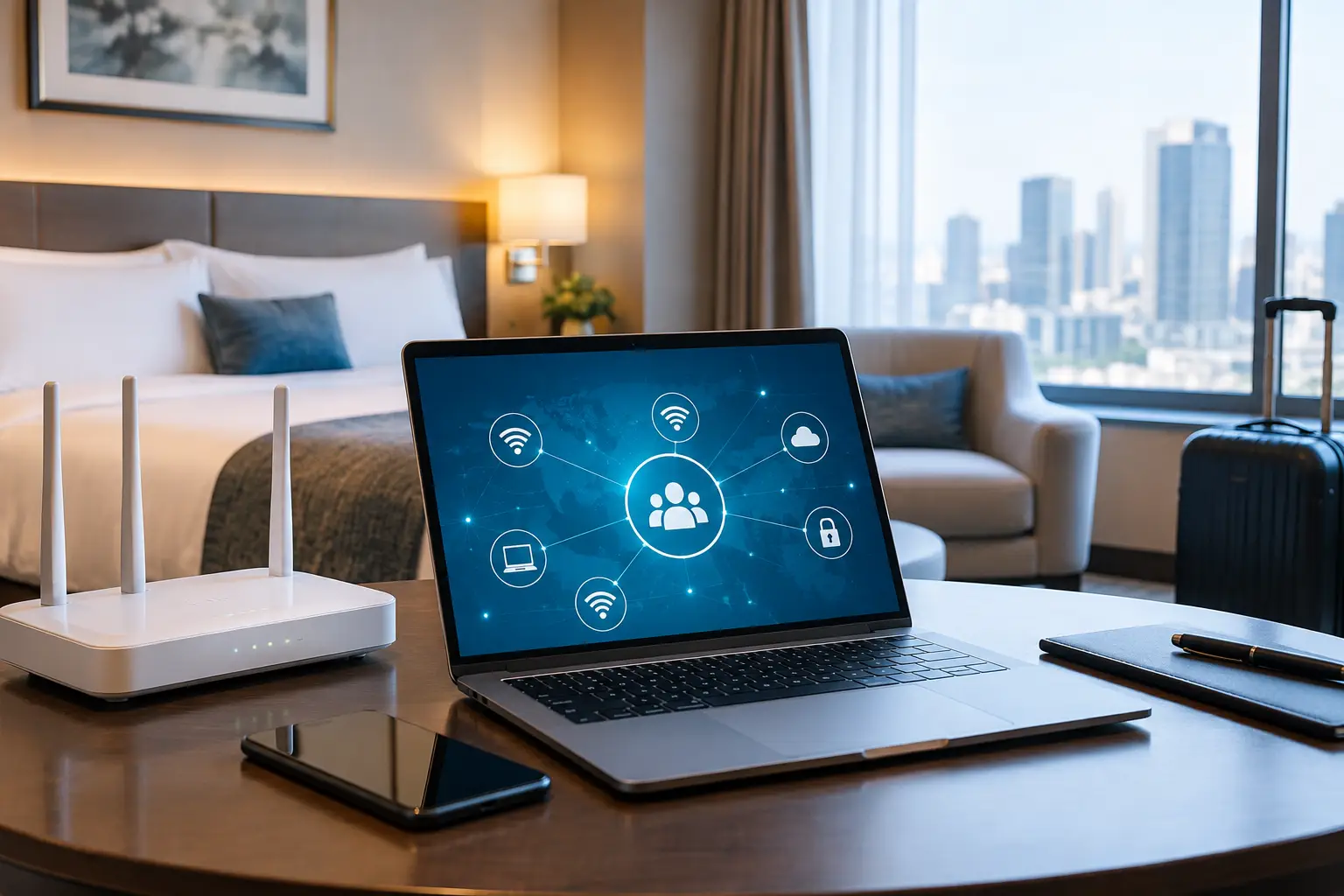
A guest who checks into a hotel at 8 p.m. may connect to Wi-Fi before they unpack. That moment is no longer just an IT transaction. Hospitality WiFi trends are repositioning the guest network as a direct channel for consent-based data capture, timely service communication, and repeat-stay marketing. For operators facing higher acquisition costs and crowded booking channels, that shift has real commercial value.
The opportunity is not to collect every possible data point. It is to create a useful exchange: reliable connectivity for guests, paired with communications that make their stay easier and their next booking more likely. Hotels, resorts, serviced apartments, restaurants, and event venues are increasingly treating Wi-Fi as part of the customer journey rather than background infrastructure.
Hospitality WiFi Trends Moving Beyond Connectivity
For years, hospitality Wi-Fi was judged almost entirely by coverage and speed. Those foundations still matter. A slow connection, confusing login, or network that drops in guest rooms damages the experience before marketing begins. But once the network performs reliably, operators can use it to understand on-site audiences and communicate with more precision.
The most significant trend is the connection between physical presence and owned digital relationships. A guest may arrive through an online travel agency, a corporate travel manager, or a walk-in visit. The Wi-Fi login can give the property a permitted way to identify that visit, capture preferences, and continue the conversation through email, SMS, or WhatsApp where appropriate.
This is particularly valuable because third-party booking platforms own much of the guest relationship. A property cannot eliminate those channels overnight, and it should not try to. The practical goal is to convert more guests into known, permissioned contacts who can be encouraged to book directly next time.
Captive Portals Are Becoming Brand and Data Touchpoints
A captive portal is the branded page a guest sees before accessing Wi-Fi. The strongest portals are simple, mobile-first, and aligned with the property experience. They can offer login through email, phone number, social identity, room credentials, or a booking reference, depending on the venue and its privacy requirements.
The trend is away from generic login screens and toward portals that collect only the information the business can act on. A city-center hotel may ask whether a guest is traveling for business or leisure. A resort may prioritize interest in spa services, dining, golf, or family activities. A conference venue may capture event affiliation and attendance dates.
Every additional field creates friction, so the trade-off matters. Asking for too much at login can reduce connection rates and irritate guests. A better approach is progressive profiling: gather the minimum needed for access, then invite guests to share preferences through post-connection messages, service offers, or loyalty enrollment.
A well-configured portal also makes consent clear. Marketing permissions should be separate from the terms needed to provide Wi-Fi, and records of consent need to be available to the operator. This protects the guest experience and gives marketing teams a more dependable foundation for outreach.
Real-Time Messaging Is Replacing One-Size-Fits-All Promotions
Timing is often more valuable than volume. Sending a generic offer two weeks after checkout may still produce results, but it misses the high-intent moments that occur during a stay. Hospitality teams are using Wi-Fi events and guest segments to trigger relevant messages while the guest is on property.
For example, a guest connecting near a hotel pool can receive information about cabana availability or food service. A restaurant visitor who joins the network during lunch can be invited back for a weekday dinner offer. A guest arriving at an airport lounge may receive service updates rather than a promotional message.
The distinction is operationally important. Real-time messaging should help first and sell second. Guests are more receptive to a message about late checkout, directions, breakfast hours, or concierge support when it arrives at the right time. Commercial offers work best when they are connected to the guest’s context, not pushed simply because a contact record exists.
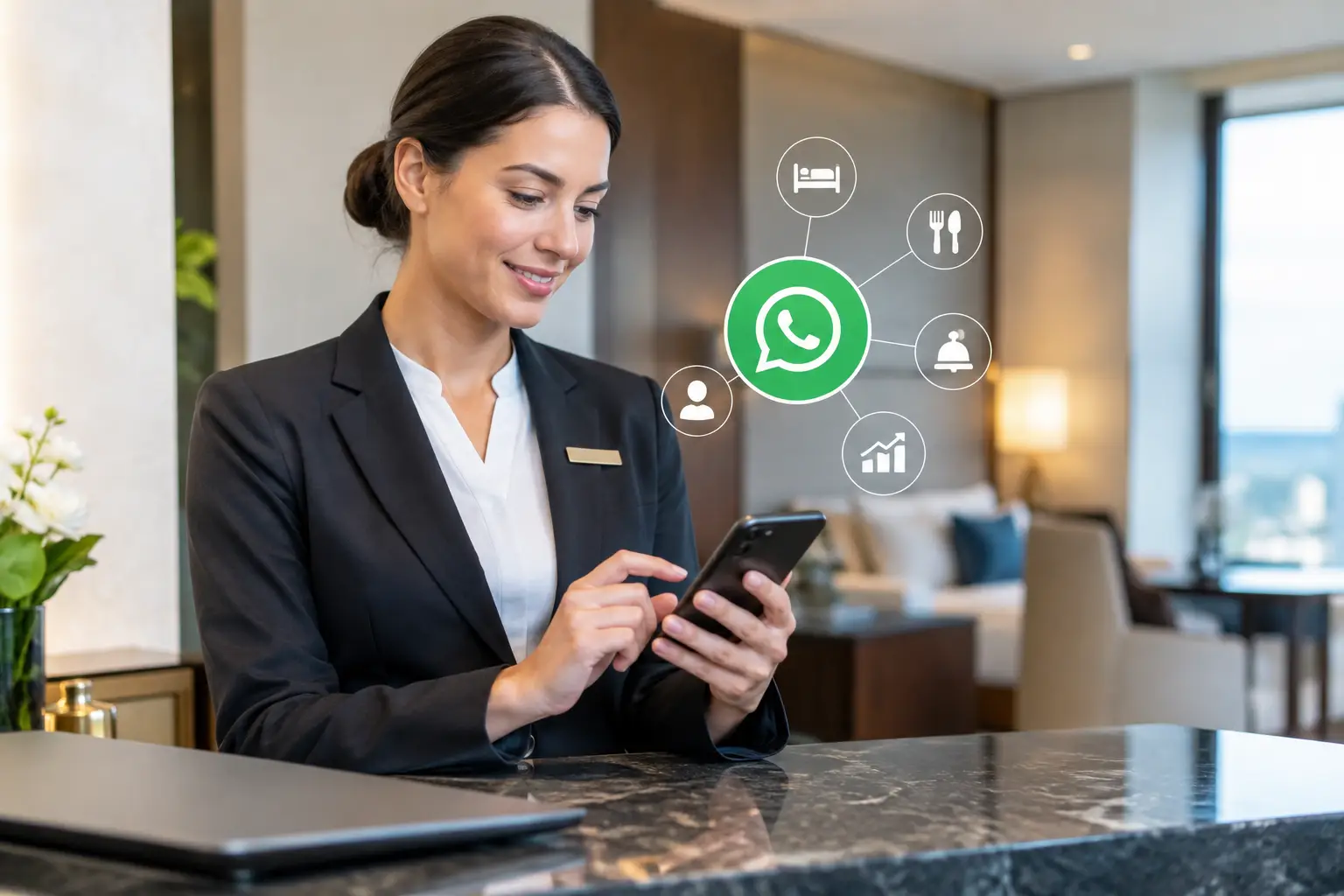
WhatsApp is increasingly useful for this model, especially for guests who prefer conversational support over calling a front desk. An intelligent customized concierge can answer common questions, direct guests to services, and escalate complex requests to staff. The value is not automation for its own sake. It is faster response times, consistent information, and a communication channel the guest already understands.
First-Party Data Is Becoming a Hospitality Growth Asset
As paid media becomes more expensive and browser-based tracking becomes less dependable, first-party data has moved from a marketing nice-to-have to a practical acquisition asset. Guest Wi-Fi can add useful signals to a property’s customer database: visit frequency, venue location, time of day, stated interests, and campaign engagement.
That information can support more relevant audience segments. A hotel group might build separate campaigns for frequent business travelers, weekend leisure guests, local dining visitors, and past event attendees. A restaurant brand can distinguish between customers who visit once and customers who return regularly across locations.
Data quality matters more than database size. Duplicate contacts, unclear consent, and disconnected systems weaken campaign performance. Operators should look for Wi-Fi platforms that can pass data into their CRM, email platform, or marketing automation system and maintain clean, usable profiles. Cloud-based configuration and centralized reporting are especially helpful for multi-property brands that need consistency without forcing each location to manage its own setup.
Wi-Fi Analytics Are Connecting Foot Traffic to Marketing Results
Hospitality marketers have long measured email opens, website visits, and booking conversions. What they often lack is visibility into the relationship between digital campaigns and actual venue traffic. Wi-Fi analytics can help bridge that gap by showing how many known guests return, when they visit, and whether a campaign led to an on-site action.
This does not mean every business needs advanced attribution modeling. A single independent hotel may get more value from tracking repeat visitors and direct-booking campaign responses. A multi-location restaurant group may need location-level dashboards, audience comparisons, and campaign reporting across markets.
The key is to establish metrics that connect to revenue decisions. Useful measures include new opted-in contacts per location, repeat connection rate, offer redemption, campaign-driven visits, direct booking inquiries, and revenue from loyalty segments. These metrics make Wi-Fi investment easier to evaluate than broad measures such as total logins alone.
Integration Is the Difference Between Data Collection and Action
A Wi-Fi platform should not become another isolated dashboard that staff rarely use. The strongest hospitality deployments connect guest access to the tools already used to run campaigns and measure performance. That can include CRM systems, email automation, SMS tools, booking systems, customer data platforms, and advertising audiences.
Remarketing audiences built from permissioned guest data can improve the efficiency of campaigns on platforms such as Facebook and Google. Rather than advertising broadly to travelers who may never visit, an operator can focus on past guests, lapsed visitors, or people who showed interest in a specific service. The business still needs to respect platform rules and privacy obligations, but the targeting is generally more relevant than cold acquisition alone.
Integration should also fit the operator’s team. A large hotel group may need API-level connections and central governance. A boutique property may prefer a managed setup with prebuilt automations and practical dashboard training. Technology only produces value when a team can maintain campaigns, interpret the results, and adjust offers without lengthy development projects.
Personalization Must Not Feel Intrusive
Personalized hospitality communication can increase response rates, but it has a clear boundary. Guests expect a hotel to know their arrival and departure dates. They may welcome an offer related to a spa appointment they requested. They are less likely to welcome messages that appear to infer sensitive personal details or follow them too aggressively after a stay.
The right standard is usefulness and transparency. Explain what data is being collected, offer meaningful choices, limit outreach to appropriate frequencies, and give guests an easy way to opt out. Messaging should reflect what the guest has shared directly or actions they have taken, not assumptions that make the brand seem invasive.
This is where segmentation protects both performance and brand trust. A guest who opted into dining offers should not automatically receive event promotions every week. A traveler who has not engaged for a year may be better served by a measured reactivation campaign than a constant stream of discounts.
What Hospitality Operators Should Prioritize Next
The most effective Wi-Fi strategy starts with operational basics: dependable coverage, adequate bandwidth, network security, and a login flow that works on the devices guests actually use. From there, define one or two commercial outcomes. That might be growing the direct-booking database, increasing restaurant return visits, improving on-property upsell, or creating a more responsive concierge experience.
Then build the data and automation around those outcomes. Map the guest journey from connection through follow-up, determine which permissions are required, and create a small set of useful segments before launching dozens of campaigns. A focused pilot at one property can reveal where guests respond, where staff need training, and which offers justify expansion.
Wifi Marketing helps operators turn that existing connectivity layer into a measurable customer communication channel, with the configuration, automation, and reporting needed to put the strategy into use. The next productive question for any hospitality team is simple: when a guest joins your Wi-Fi, what helpful and profitable relationship begins next?