A hotel guest may connect a phone, laptop, tablet, streaming device, and work VPN before they have even unpacked. If the connection drops in the room, slows down during a video call, or forces a confusing login every day, the property has created friction at a moment when convenience matters most. A successful hotel network deployment guide must therefore address more than access points and bandwidth. It must connect guest experience, operational reliability, security, and measurable marketing value.
For hotel operators, Wi-Fi is no longer a utility that can be installed and forgotten. It is part of the stay, part of the review experience, and, when configured correctly, a first-party data channel that supports loyalty and direct revenue.
What a Hotel Network Deployment Guide Must Solve
The wrong starting point is asking, “How many access points do we need?” That question matters, but it comes after the business requirements are clear. A hotel network must support distinct audiences with very different needs: overnight guests, conference attendees, staff, back-office systems, point-of-sale devices, smart TVs, door locks, cameras, and building-management equipment.
Each audience should have an appropriate level of access, performance, and protection. A guest browsing in a lobby should not share the same network path as a payment terminal. A housekeeper using a property-management app should not have access to a network used by personal guest devices. Segmentation is not just an IT preference. It reduces operational risk and makes troubleshooting faster when a device or service has an issue.
The commercial objective should also be defined early. Is the property trying to improve guest satisfaction scores, capture opted-in contact details, promote on-site dining, increase spa bookings, support group events, or bring past guests back with direct offers? The portal design, data fields, consent language, and automation should support that goal from day one.
Design for the Property You Actually Operate
Hotels present physical challenges that generic office-network plans often miss. Concrete walls, elevator shafts, older construction, long corridors, outdoor pools, parking areas, and meeting rooms can all affect coverage. A floor plan alone is not enough to predict the guest experience.
Start With a Site Survey and Capacity Model
A professional site survey assesses signal strength, interference, roaming behavior, and expected device density in the spaces that matter. Guest rooms need consistent coverage, but high-density areas can demand even more attention. Breakfast service, banquet halls, conference rooms, pool decks, and check-in areas can all see sharp usage spikes.
Capacity planning should account for busy periods rather than average traffic. A 150-room property hosting a corporate group may have hundreds of devices active at once, many using video conferencing or cloud applications. If the network is designed only for light browsing, performance will deteriorate precisely when the hotel needs to deliver its best service.
Bandwidth is one part of the equation. The placement, configuration, and channel planning of access points also determine whether guests can move through the property without repeated disconnects. More hardware is not automatically better. Poorly placed access points can create interference, while a properly engineered design can improve coverage with fewer devices.
Separate Networks by Function
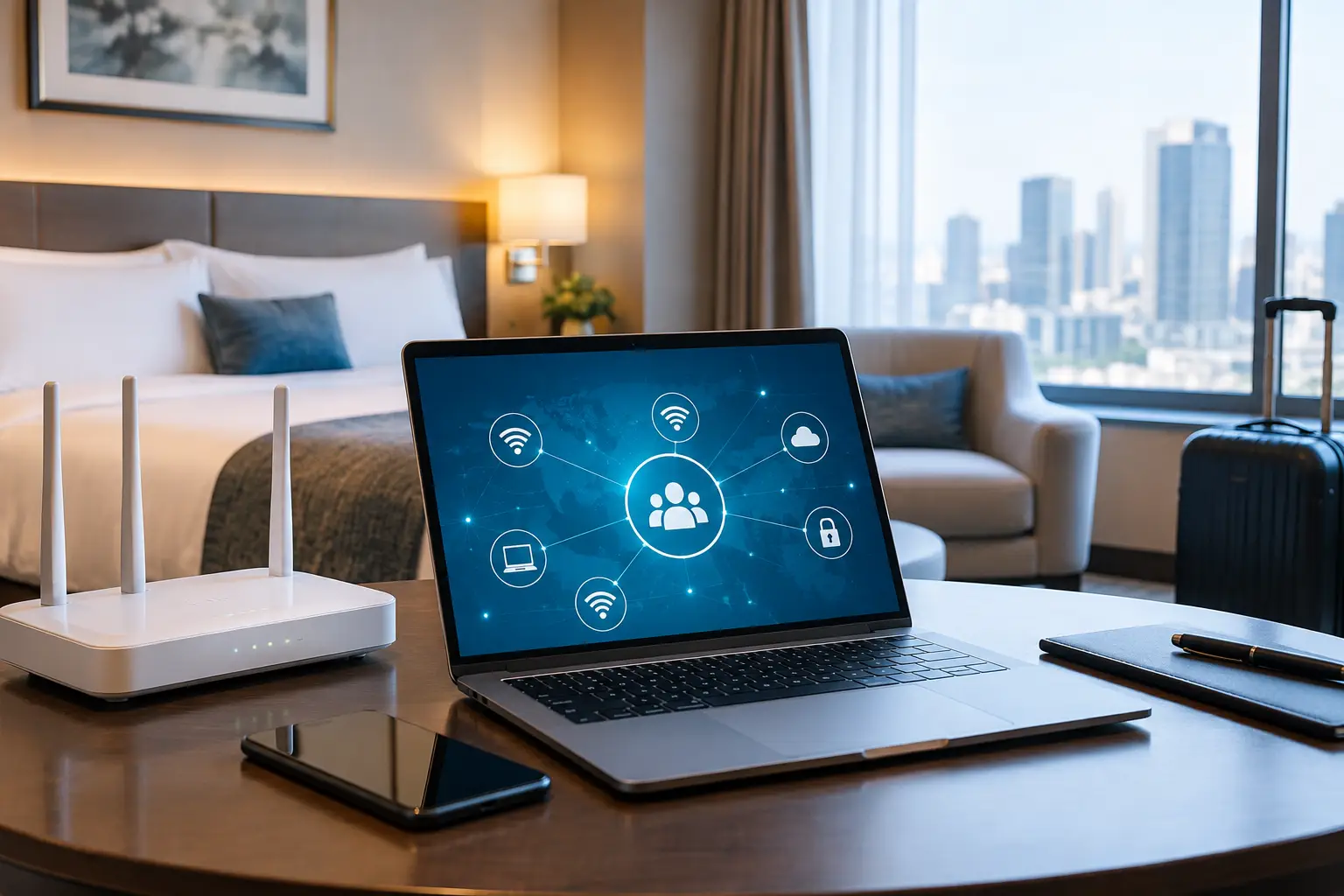
A practical deployment typically separates guest Wi-Fi, employee devices, hotel operations, Internet of Things equipment, and event networks. This structure can be created through VLANs, firewall rules, and access policies that limit unnecessary communication between segments.
Guest access should be isolated from other guest devices as well. That protects privacy and reduces exposure when visitors connect personal laptops, phones, and streaming equipment. Employee and operational networks should use stronger authentication, controlled permissions, and monitoring appropriate to the systems they support.
For properties that host meetings and events, consider a dedicated event network or configurable access package. A conference organizer may need branded access, higher bandwidth thresholds, a separate password, or reporting that does not mix event traffic with the hotel’s standard guest activity.
Plan for Uptime, Not Just Installation Day
Internet service is a dependency for reservations, guest communications, card processing, and daily operations. A secondary connection can be worthwhile for many properties, particularly hotels with busy meetings, extended-stay guests, or locations where outages are common. The right approach depends on the cost of downtime and the reliability of available carriers.
Remote monitoring, alerts, and cloud-based configuration also change the operating model. Instead of waiting for a guest complaint to identify a problem, the hotel or managed service partner can see device status, usage patterns, and connectivity issues earlier. This reduces the burden on front-desk teams, who should not have to become network troubleshooters during a peak check-in period.
Turn Guest Wi-Fi Into a Marketing Channel
A well-designed captive portal gives the hotel a controlled, branded entry point to the network. Rather than handing out a generic password with no visibility into usage, the property can present its brand, gather consent, and offer useful information before guests connect.
The portal should be simple. Asking for too much information creates abandonment, especially for tired travelers arriving late. In most cases, a name, email address, mobile number when appropriate, and permission to receive marketing communications are enough. Social login, room-based access, voucher codes, or event-specific credentials may also fit the property, but the choice should reflect the guest journey and privacy requirements.
This is where Wi-Fi becomes commercially useful. With permission-based first-party data, hotels can segment audiences by location, visit frequency, property, campaign source, or event participation. They can then promote a dinner special to connected guests, follow up after checkout with a return offer, or build an audience for future advertising without relying entirely on increasingly expensive third-party targeting.
Connect Data to Useful Automation
Capturing data without a follow-up process produces little value. The network should feed a workflow that makes guest communication timely and relevant. A welcome message can share check-in information or concierge options. A mid-stay message can promote dining, late checkout, or local experiences. A post-stay email can request feedback and present a direct-booking incentive for a future visit.
The best message depends on the property type. A resort may prioritize spa and activity reservations. An airport hotel may emphasize shuttle details and fast check-in. A boutique hotel may use its communications to extend the local experience with curated recommendations. Hotels should avoid treating every Wi-Fi user as the same audience.
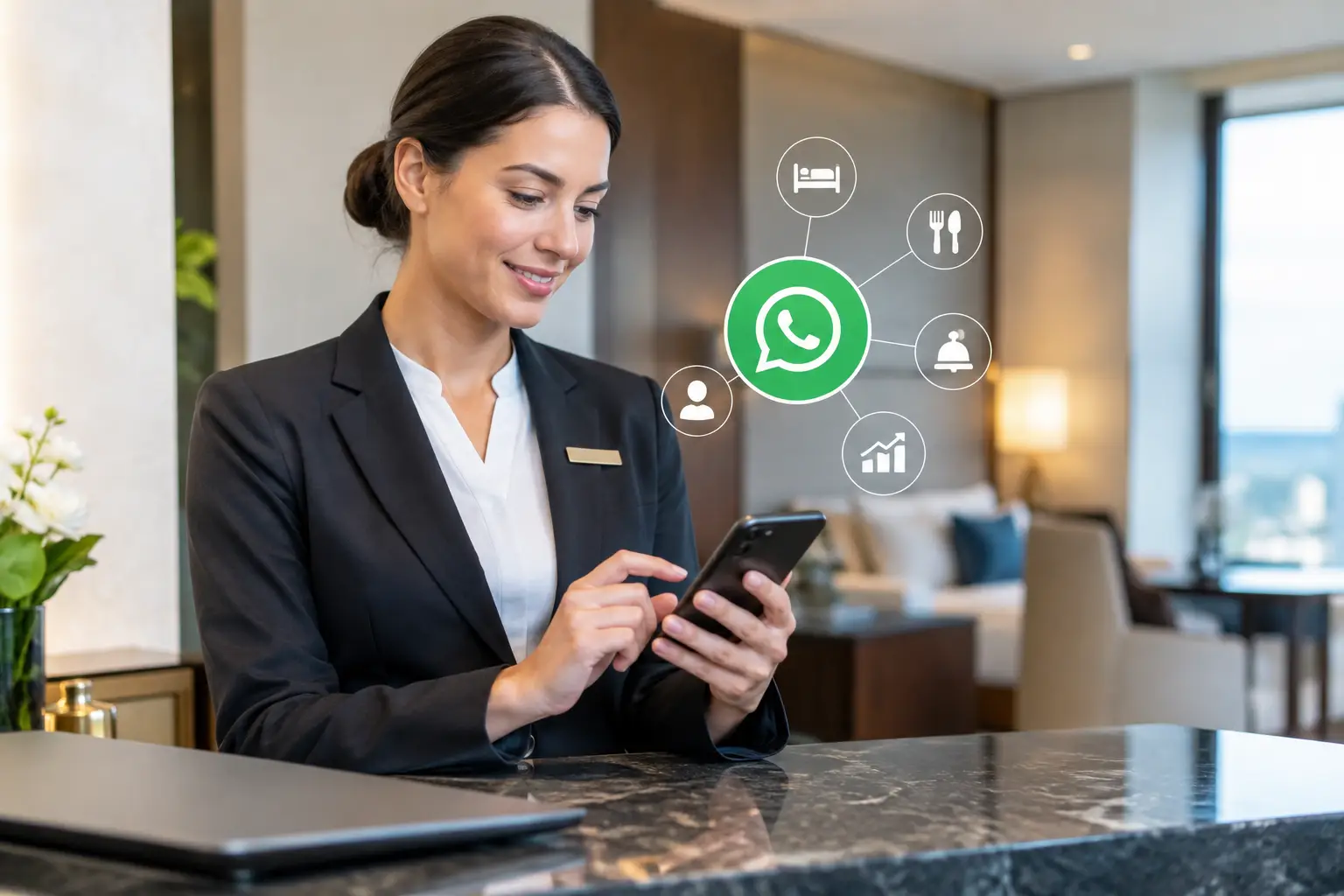
An intelligent WhatsApp concierge can add another service layer when guests prefer messaging over calling the front desk. It can answer common questions, route requests, and support timely offers, provided the hotel sets clear expectations and handles consent responsibly.
Wifi Marketing can combine captive portal deployment, data capture, audience segmentation, marketing automation, and dashboard training so the Wi-Fi network operates as both guest infrastructure and a measurable communications asset.
Deploy in Phases to Reduce Risk
Large properties should not treat deployment as a single installation appointment. The most reliable rollouts move through planning, preconfiguration, on-site installation, validation, and staff handoff.
Before equipment arrives, document the network architecture, SSIDs, segmentation rules, access policies, portal flow, and escalation contacts. Hardware can often be configured remotely in advance, reducing on-site disruption and making the installation window more predictable.
After installation, test the experience from the perspective of real users. Walk guest floors, common areas, meeting spaces, outdoor zones, and back-office locations. Connect different device types. Test portal access, roaming between access points, speed under load, and isolation between guest and operational networks. If the hotel supports event packages, test those workflows too.
Front-desk and operations teams need a simple process for common questions: how guests join, what to do when a login fails, who handles a device issue, and when to escalate. Training should focus on the actions staff will actually take, not a technical tour of every dashboard setting.
Protect Privacy and Keep the System Governed
Guest Wi-Fi marketing only works when trust is protected. Use clear consent language, state what communications guests may receive, and give them a straightforward way to opt out. Data retention policies should be defined rather than assumed, and access to guest data should be limited to employees and partners who need it for their role.
Security settings require ongoing attention. Change administrative credentials, keep firmware current, review user permissions, and monitor unusual activity. Hotels that operate across multiple brands or locations should standardize these practices while preserving the flexibility to run local promotions and property-specific portal branding.
There is a trade-off between frictionless access and stronger identity verification. A simple click-through portal may maximize connection rates, while room-number validation or SMS verification can improve data quality. The right choice depends on whether the hotel’s priority is guest convenience, campaign attribution, security, or a mix of all three.
Measure More Than Wi-Fi Speed
Network performance should be monitored through uptime, connection success rates, recurring support issues, and usage by area. But the marketing layer needs its own scorecard: portal conversion rate, opt-in rate, audience growth, message engagement, offer redemptions, repeat visits, and direct-booking activity.
These metrics help hotel teams make better decisions. If a high number of guests connect but few opt in, simplify the portal or improve the value exchange. If a dining offer gets clicks but no reservations, review timing, pricing, and the booking path. If a campaign drives return stays, the property can quantify value from an asset that was once treated as a basic amenity.
The most effective hotel networks disappear into a good guest experience while giving operators clearer control over communication, data, and revenue opportunities. Build for the way guests move through the property, then use every permitted connection as a chance to serve them better and earn the next stay.