A guest walks into your hotel lobby, connects to Wi-Fi, and receives a welcome message with a late-checkout offer. A shopper returns to a retail center after 60 days and gets a loyalty incentive built around the department they previously visited. This is how to send location triggered messages in a way that feels useful rather than intrusive: connect a real-world event to a relevant, consent-based communication.
For physical businesses, location triggers close a costly gap. You may know that people visit your property, but without a system to identify the visit, capture permission, and activate a campaign, that foot traffic disappears from your marketing data. Location-based messaging turns a visit into an actionable customer signal.
What Location-Triggered Messaging Actually Means
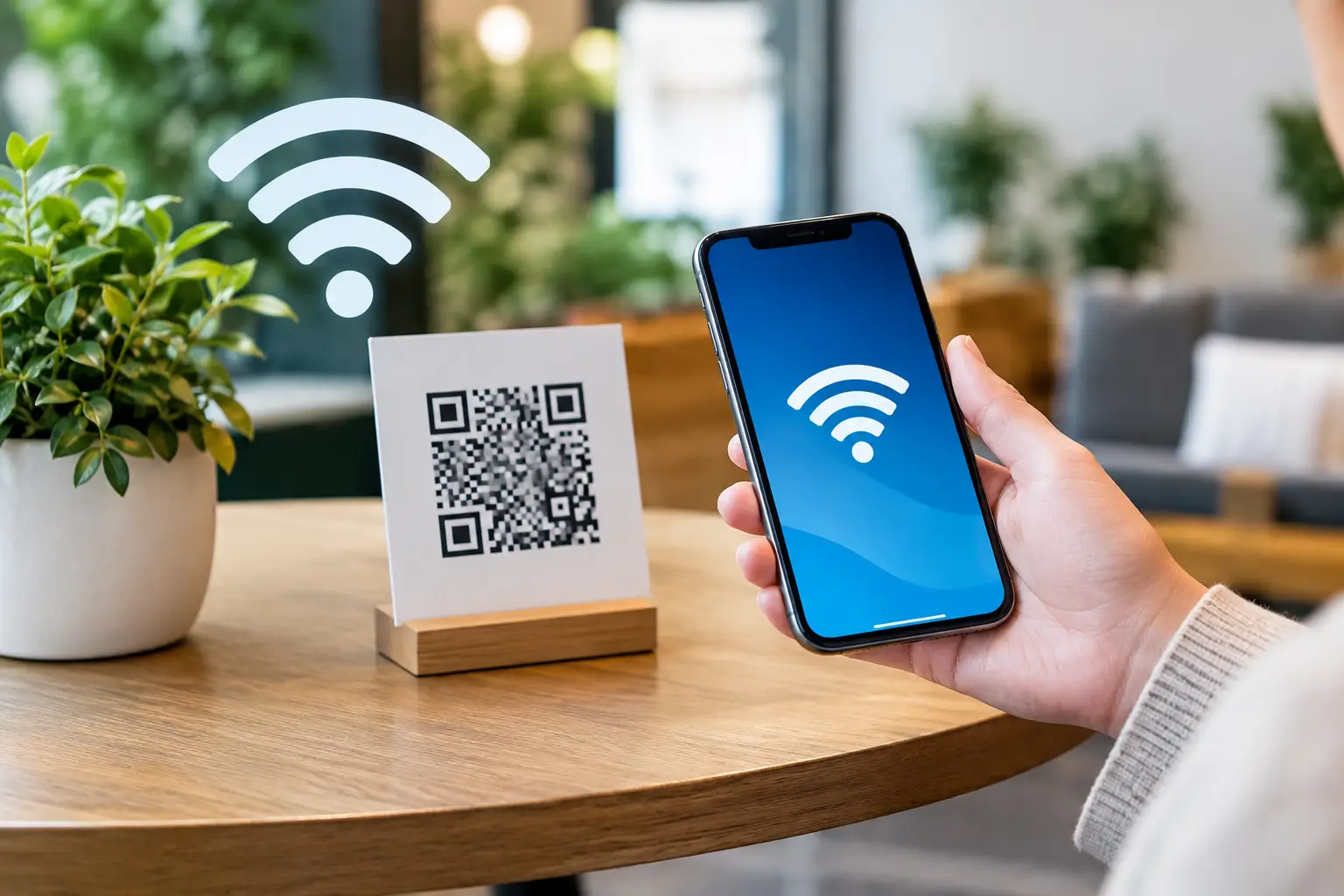
A location-triggered message is sent when a customer enters, remains within, or exits a defined physical area. That area may be a store, hotel, restaurant, terminal, clinic, mall, or specific zone within a larger venue. The trigger can come from a mobile location permission, a Wi-Fi connection event, a captive portal login, a QR-based check-in, or a combination of these signals.
The technology is only one part of the equation. The commercial value comes from deciding what the visit means. An entry may justify a welcome offer. A repeat visit may indicate loyalty. A long dwell time in a waiting area may call for service information or concierge support. An exit may create an opportunity to request feedback or invite the customer back.
Wi-Fi-based triggers are especially practical for customer-facing venues because they rely on infrastructure already present on-site. When guests join a branded Wi-Fi network through a captive portal, the business can collect first-party data with appropriate consent, recognize eligible return visitors, and use that data to coordinate follow-up through email, SMS, or WhatsApp.
How to Send Location Triggered Messages: Start With the Outcome
Do not begin by drawing a geofence around every location. Begin with the revenue or service outcome you need to improve. The best campaigns are tied to a clear operational moment, not to location data for its own sake.
A restaurant may want to increase second visits within 30 days. A hotel may want to reduce front-desk questions and increase ancillary bookings. A retailer may want to convert browsers into loyalty members. An airport lounge operator may want to promote upgrades when travelers are physically nearby and likely to act.
Define one measurable objective for each trigger. Common objectives include increasing repeat visits, driving offer redemption, collecting reviews, reducing service friction, recovering abandoned experiences, or moving guests into a loyalty program. This focus keeps messages relevant and gives your team a straightforward way to evaluate performance.
Choose the right event
Most location campaigns use one of three event types. An entry trigger fires when a guest arrives or connects to venue Wi-Fi. A dwell trigger fires after the person has stayed for a defined period. An exit trigger fires after they leave the location or disconnect from the network.
Entry triggers work well for welcome content, menu links, appointment instructions, property maps, and time-sensitive offers. Dwell triggers are useful when context changes during the visit, such as a hotel guest who may benefit from a spa offer after check-in or a hospital visitor who needs parking and visitor information. Exit triggers are effective for satisfaction surveys, review requests, return incentives, and post-visit recommendations.
The right choice depends on customer expectations. A welcome message may be useful within minutes of arrival. A promotional SMS moments after someone leaves a store can feel premature if the customer has not opted into marketing. In that case, an email later that day may be a better channel.
Build the Data and Consent Foundation First
Location-triggered campaigns depend on accurate identity and permission data. A Wi-Fi login page can request a name, email address, mobile number, marketing preferences, and consent language before a guest connects. Keep the form proportionate to the exchange of value. If guests receive free Wi-Fi, personalized offers, or helpful concierge information, explain that clearly.
Consent is not a checkbox to add at the end of a campaign. SMS and WhatsApp outreach require careful opt-in management, clear disclosures, and easy opt-out options. Requirements can vary by message type, channel, and jurisdiction, so businesses should have their legal or compliance team review their capture flows and campaign rules. Store the consent source, timestamp, and preference status alongside the customer profile.
This matters commercially as well as legally. A smaller audience that asked to hear from you will generally outperform a larger database built on weak permission practices. Trust supports response rates, deliverability, and long-term customer value.
Connect Wi-Fi Events to Your Messaging Channels
A practical setup usually combines a guest Wi-Fi platform, a cloud-based customer database, and messaging automation. The Wi-Fi network identifies a connection event. The platform matches it to an existing guest profile or creates a new one through the captive portal. Automation rules then determine whether the person should receive a message and through which channel.
For example, a multi-location retailer could create this rule: when a customer who has opted into SMS joins guest Wi-Fi at any store, check whether they have visited in the past 45 days. If they have not, send one welcome-back offer within 15 minutes. If they have visited recently, suppress the offer and update their visit history instead.
That suppression logic is as important as the trigger itself. Without it, frequent visitors can receive repeated messages, employees may accidentally enter customer journeys, and customers may see conflicting offers across locations. A well-configured platform uses profile fields, visit frequency, location, purchase data where available, and campaign history to prevent unnecessary outreach.
Wifi Marketing can support this model by configuring guest Wi-Fi, captive portal data capture, real-time automations, and multi-channel follow-up from a centralized dashboard. For operators with multiple brands or properties, remote configuration and standardized campaign templates also reduce the burden on local teams.
Match the Message to the Channel and Moment
Location data creates urgency, but that does not mean every message should be promotional. The best message answers a likely customer need at that exact stage of the visit.
SMS is effective for short, time-sensitive communications such as a table-ready alert, same-day offer, event reminder, or parking instruction. WhatsApp can be a stronger fit for conversational service, especially when an intelligent concierge can answer common questions about directions, property amenities, booking details, or operating hours. Email is better for richer post-visit content, receipts, loyalty enrollment, longer offers, and feedback requests.
Keep the copy direct. Name the venue or brand, provide one reason the message is useful, and give the customer one clear next step. A hotel message might say, “Welcome to Harbor View. Reply here for restaurant reservations, late checkout options, or local recommendations.” A retailer could send, “Welcome back to Oak Plaza. Show this message before 6 p.m. for 15% off one full-price item.”
The offer should reflect the location and the customer segment. Sending the same discount to every visitor wastes margin and trains customers to wait for promotions. A first-time guest may need an incentive to return. A high-frequency visitor may value priority service or early access more than a coupon.
Set Frequency Rules Before Launching
Location signals can occur often, particularly in large facilities, transit hubs, malls, and hospitality properties. If a guest reconnects to Wi-Fi repeatedly or moves between access points, your system must not treat every technical event as a new marketing opportunity.
Set a cooldown period for each campaign. For example, a welcome message may be limited to once every 30 days, while a service message tied to a reservation may be delivered once per stay. Build exclusion rules for staff devices, customers who opted out, people with unresolved support issues, and guests currently enrolled in another journey.
Also decide whether a trigger requires confirmation. A person passing a store may enter a mobile geofence briefly, but a Wi-Fi connection provides stronger evidence that they are actually on-site. In high-value campaigns, combining signals can improve accuracy. The trade-off is reach: requiring more confirmation reduces false positives but may exclude customers who do not connect to Wi-Fi or deny location permissions.
Measure Business Results, Not Just Sends
A location-triggered campaign should be measured against a control group whenever possible. Compare customers who received the message with similar eligible customers who did not. This provides a clearer view of incremental revenue instead of simply crediting the campaign for behavior that would have happened anyway.
Track delivery rate, opt-out rate, clicks, offer redemptions, repeat visits, average transaction value, and time to next visit. For service-oriented journeys, measure response time, resolution rate, reduced staff workload, and guest satisfaction. Segment the results by location, audience, trigger type, and channel to find where the program is producing real lift.
One location may respond strongly to an arrival offer, while another performs better with a post-visit email. That is not a failure of the system. It is useful operating intelligence. Test one variable at a time, such as timing, incentive, channel, or audience definition, then apply the winning approach across comparable venues.
Location-triggered messaging works best when it behaves like good hospitality: recognize the customer, respect their preferences, and offer help or value at the moment it matters. Start with one high-intent visit moment, prove the return, and expand only after your data shows customers welcome the conversation.