
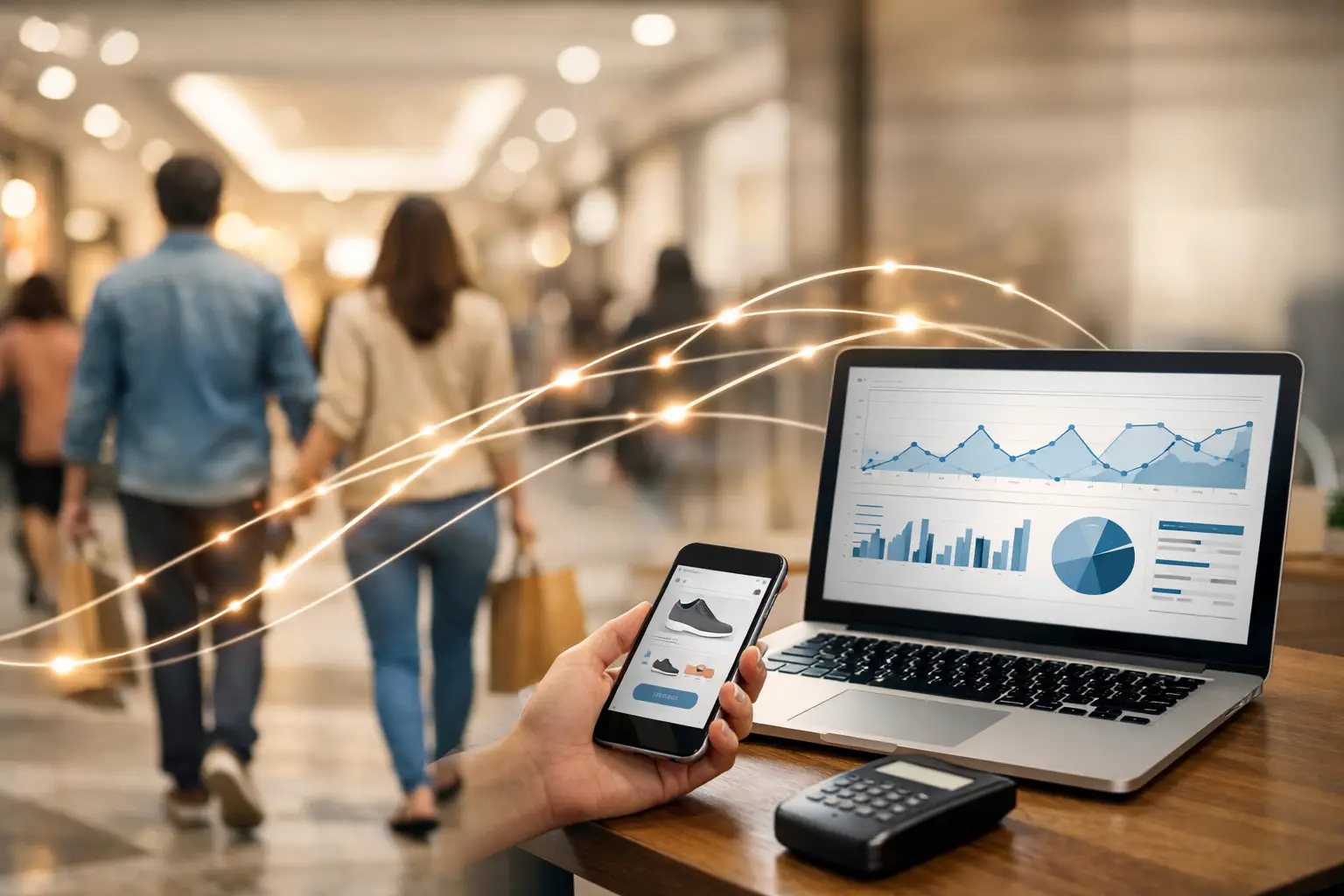
A customer walks into your hotel lobby, restaurant, retail store, or venue, spends time on-site, and leaves without giving you a usable way to continue the conversation. That is a missed marketing opportunity. Learning how to connect foot traffic to digital customer engagement gives physical businesses a practical way to turn visits into first-party data, repeat purchases, and measurable revenue.
The challenge is not attracting every visitor through the door. Most operators already have foot traffic. The challenge is identifying the right visitors, understanding what they value, and following up without creating extra work for staff. Guest Wi-Fi, when configured as a marketing channel rather than a basic utility, can close that gap.
Why Foot Traffic Alone Is Not a Marketing Asset
A busy location can look successful while still losing revenue. A restaurant may serve hundreds of guests each day but only recognize a small percentage when they return. A retail store may pay for local advertising without knowing which in-store visitors became customers. A hotel may welcome thousands of guests each month while relying on third-party booking channels that limit direct communication.
Foot traffic becomes valuable when it is connected to permission-based customer data. That connection allows a business to move beyond anonymous visits and build a more complete picture of its audience: who visits, how often they return, which location they use, and which offers or messages generate a response.
This does not mean collecting data for its own sake. The objective is operational: reduce reliance on expensive acquisition campaigns, improve customer retention, and make marketing more relevant to people who have already shown intent by visiting your location.
How to Connect Foot Traffic to Customer Data
The most direct method is a branded guest Wi-Fi experience. Instead of providing an open network with no visibility, businesses can present a captive portal before customers connect. The portal can request information such as an email address, mobile number, birthday, language preference, or marketing consent, depending on the business model and local compliance requirements.
The registration experience should be short. Every additional field can reduce completion rates, especially in quick-service environments where customers want access immediately. For many businesses, an email address or mobile number paired with clear consent is enough to begin. Hotels, healthcare facilities, and venues with longer dwell times may have a stronger reason to request additional preferences.
The value exchange must be clear. Customers are more willing to share contact details when they receive fast internet access, a welcome offer, loyalty points, useful venue information, or access to a WhatsApp concierge. A generic login page that asks for data without explaining the benefit will produce weaker results.
Once captured, data should flow into a centralized dashboard or connected marketing platform. This is where physical presence becomes a usable marketing signal. Rather than uploading spreadsheets after an event or relying on a cashier to ask every guest for an email address, the system captures information while the visitor is already engaged on-site.
Start With a Branded, Mobile-First Portal
Your captive portal should look like part of the customer experience, not like a router configuration page. Use your logo, location imagery, clear language, and a call to action that matches the venue. A hotel can offer property information and concierge support. A restaurant can promote a return-visit offer. A mall can direct visitors to current events or featured stores.
Mobile-first design matters because most guests will connect from a phone. Large fields, limited copy, and a fast login process are more effective than a long registration form. The goal is to remove friction while preserving the customer’s understanding of what they are agreeing to receive.
Create a Reliable Consent Process
Email, SMS, and WhatsApp communication should be permission-based. Consent language needs to be clear, and records should be retained so your team can manage opt-ins, opt-outs, and campaign eligibility responsibly. This protects the customer relationship and helps your business avoid treating every Wi-Fi user as a blanket marketing contact.
There is a trade-off here. A stricter consent flow may produce fewer contacts, but the contacts you collect are more likely to be engaged and appropriate for follow-up. For most businesses, quality and trust outperform a large database of inactive or unconsented records.
Turn Visit Data Into Useful Segments
Capturing contact information is only the first step. The real commercial value comes from segmentation. A single list of every Wi-Fi user is difficult to market to effectively. Segments let you shape campaigns around real behavior and location context.
A multi-location retailer, for example, can separate visitors by store. A restaurant group can distinguish lunch guests from dinner guests based on connection times. A hotel can segment guests by property, visit frequency, or whether they have interacted with a pre-arrival or post-stay message. An airport, hospital, or public venue can use location-specific messaging without treating every visitor as the same audience.
Useful segmentation often includes:
- First-time visitors versus returning visitors
- Location, property, store, or venue zone
- Time and day of visit
- Language preference or customer-declared interests
- Engagement with emails, SMS, offers, or concierge messages
These segments should serve an actual decision. If a segment will not change the message, offer, or timing, it may not need to exist. Start with the data that supports immediate actions, then add complexity as campaign performance and operational needs justify it.
Use Automation to Follow Up While Interest Is Fresh
The time after a visit matters. A customer who connected to your Wi-Fi yesterday is usually more receptive than someone who visited six months ago. Automated workflows make it possible to respond consistently without requiring a manager to manually export contacts and send campaigns.
A first-time restaurant guest might receive a thank-you message and an invitation to return within two weeks. A retail customer could receive a location-specific promotion after a visit, while a hotel guest might receive a welcome message, concierge information, and a post-stay feedback request. These workflows can be delivered through email, SMS, or WhatsApp based on available consent and the customer’s preferences.
The best automation is timely and restrained. Sending too many messages can quickly turn a useful service into an annoyance. Consider the purchase cycle. Coffee shops and quick-service restaurants may benefit from short repeat-visit windows, while furniture retailers or hotels may need longer follow-up sequences. Frequency should reflect how customers naturally buy from you.
An intelligent WhatsApp concierge can be particularly effective for hospitality, transportation, and large venues. It gives guests a direct channel for questions about check-in, directions, services, event schedules, or special requests. At the same time, common conversations can reveal intent that helps staff respond faster and marketing teams tailor future communications.
Connect On-Site Visits With Paid Media and Remarketing
First-party data also improves the efficiency of paid advertising. With proper consent and platform configuration, businesses can use customer audiences and site behavior to support remarketing through channels such as Google and Facebook. This creates a more focused alternative to broad local targeting, which often spends budget on people with no demonstrated connection to the business.
A retail brand can show ads to customers who visited a specific location but have not returned. A venue can promote future events to past attendees. A hotel can encourage direct booking from previous guests rather than depending entirely on online travel agencies.
Remarketing is not a substitute for strong on-site service. It works best when the original visit created a positive impression and the follow-up message gives the customer a relevant reason to come back. A poor offer, an irrelevant ad, or a generic message will not be saved by better audience data.
Measure the Metrics That Link Marketing to Revenue
If your goal is to connect foot traffic with business growth, do not stop at Wi-Fi login counts. Logins show adoption, but they do not prove marketing impact. Track the path from connection to communication and, where possible, to conversion.
Start with opt-in rate, contact capture rate, repeat visitor rate, message engagement, offer redemption, and campaign-attributed revenue. For businesses without a direct point-of-sale integration, redemption codes, reservation links, customer surveys, and location-specific offers can still provide useful attribution signals.
Compare results by location and campaign type. One store may collect many Wi-Fi contacts but generate low repeat engagement because its portal is poorly positioned or its follow-up offers are not compelling. Another location may collect fewer contacts but produce stronger revenue per customer. Those differences tell operators where to adjust the experience.
Cloud-based management is especially valuable for multi-location organizations. Marketing teams can maintain brand standards, update campaigns remotely, and review performance across properties, while local operators keep the customer experience moving. Hardware compatibility and remote configuration also reduce the burden on internal IT teams.
Build the Program Around Operations, Not Just Technology
Technology only works when ownership is clear. Marketing should define the offers, audience rules, and campaign calendar. Operations should ensure staff understand the guest Wi-Fi value proposition and can answer basic questions. IT or an implementation partner should manage network security, hardware configuration, and reliable connectivity.
This coordination is why businesses often benefit from a provider that combines deployment support with marketing strategy. Wifi Marketing helps organizations configure guest Wi-Fi as an acquisition and retention channel, rather than leaving it as underused infrastructure.
Begin with one measurable use case. A restaurant group might focus on increasing repeat visits from first-time Wi-Fi users. A hotel could prioritize direct post-stay communication. A retail operator may start with location-based customer capture and remarketing. Prove that workflow, measure the result, then expand to additional segments and channels.
The most useful question is not whether your business has enough foot traffic. It is whether each visit gives you a respectful, measurable opportunity to earn the next one.
Comments are closed