A guest connects to your Wi-Fi, sees a generic router login, taps through, and disappears from your marketing view. That is a missed customer relationship. This guide to branded access pages explains how customer-facing businesses can turn that short connection moment into a branded, measurable path to first-party data, stronger engagement, and repeat visits.
For hotels, restaurants, retail locations, hospitals, transportation hubs, malls, and event venues, the access page is not simply an IT requirement. It is the first digital interaction a visitor has while physically present at your location. When it is designed with a clear commercial purpose, it can connect foot traffic to email, SMS, WhatsApp, loyalty programs, promotions, and future remarketing.
What Is a Branded Access Page?
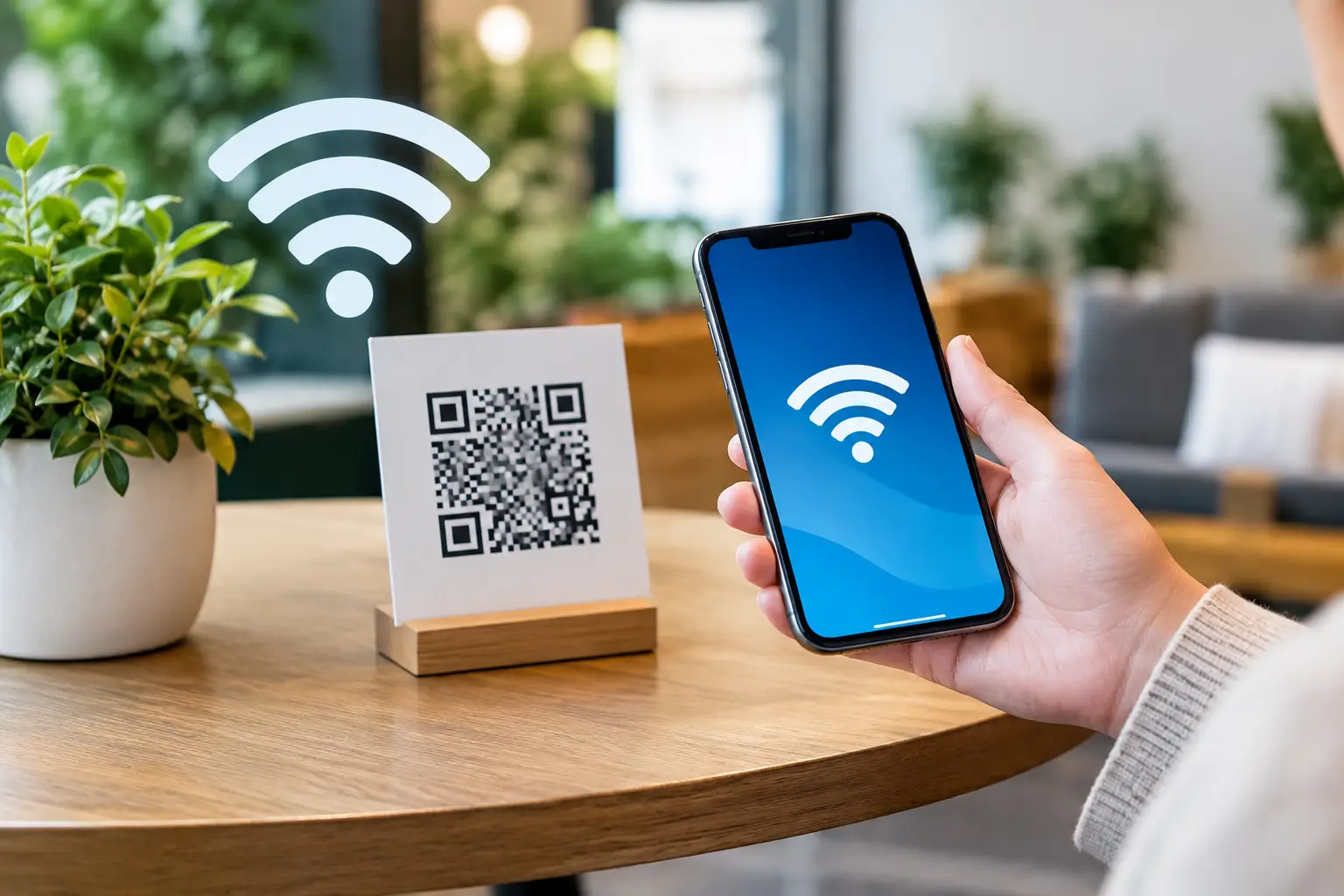
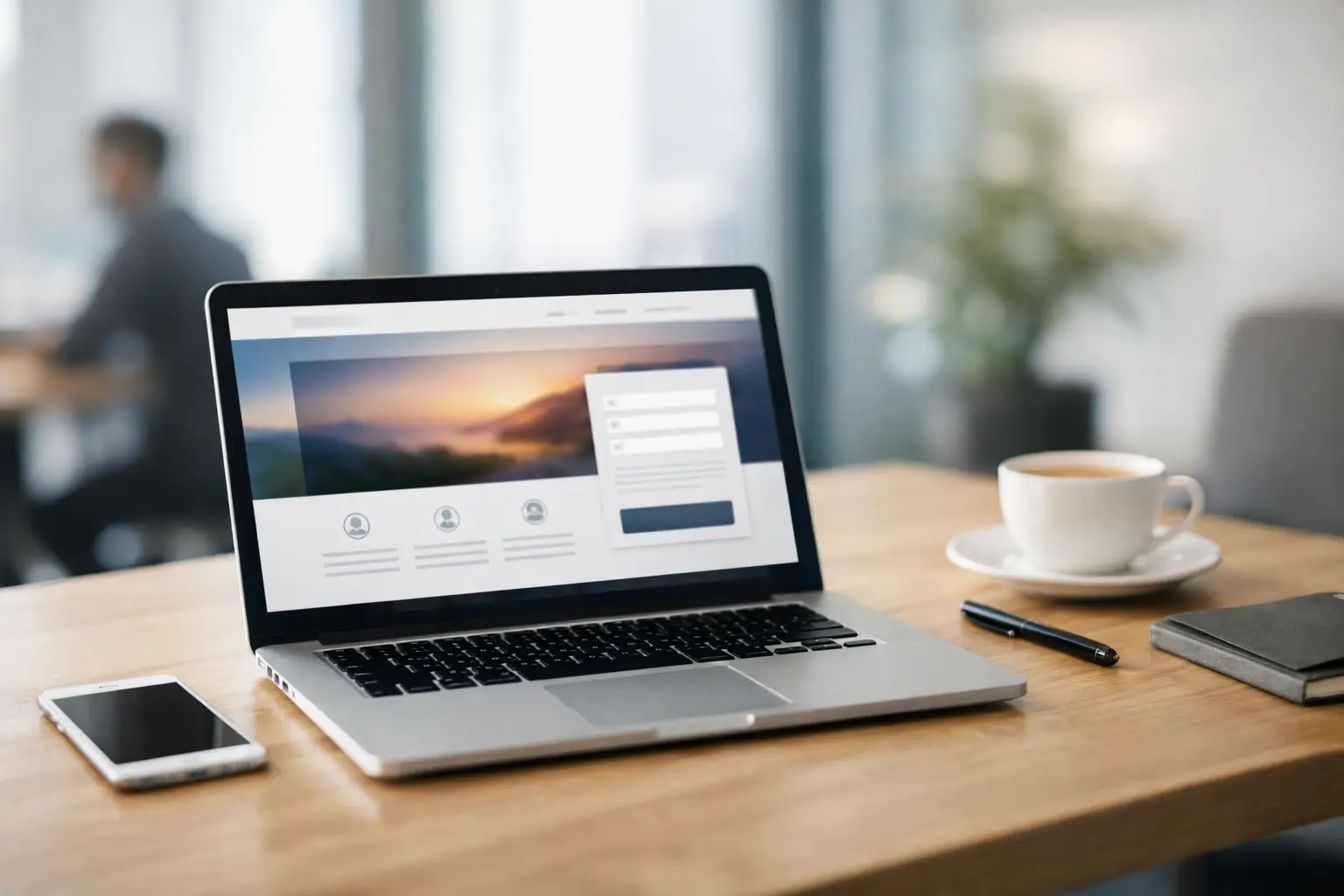
A branded access page is the screen a guest sees before accessing a venue’s Wi-Fi network. It is often called a captive portal, but the commercial value comes from what happens beyond authentication. Instead of a plain network login, the page can display your logo, colors, imagery, offer, consent language, and data-capture fields.
The page can also present multiple sign-in methods. A guest may enter an email address, authenticate with a phone number, use a social login, enter a room number, or connect through a loyalty account. The right method depends on your venue, customer expectations, privacy requirements, and the type of follow-up you plan to run.
A quick-service restaurant may prioritize a low-friction email or SMS sign-in so guests can connect quickly. A hotel may connect Wi-Fi access to its property management system, reservation data, or room credentials. A retail brand may use the page to invite loyalty enrollment and deliver a timely in-store offer. The page should reflect the visit, not force every business into the same form.
Why the Access Page Has a Direct Marketing Impact
Physical businesses spend heavily to bring people through the door, yet many visitors leave without providing a usable way to continue the conversation. A branded Wi-Fi login creates an opt-in opportunity at the point when the customer is already engaged with your location.
That changes guest Wi-Fi from a cost center into a marketing channel. With proper consent and data practices, operators can build a first-party audience rather than relying entirely on expensive third-party advertising. They can identify new versus returning visitors, segment communications by location or visit behavior, and evaluate whether campaigns influence future visits.
The value is especially clear as digital advertising becomes more expensive and less precise. A venue knows a customer was physically present when they connected to the network. That signal is useful for local promotion, post-visit campaigns, loyalty activation, and audience building for paid media platforms.
There is a trade-off: asking for too much information can reduce Wi-Fi connection rates. Asking for too little may limit your ability to personalize future communication. The goal is not to collect every possible field. It is to collect the minimum information needed to provide value and support the next relevant interaction.
How to Design Branded Access Pages That Convert
A high-performing page needs to work for guests and operators. It should load quickly, read clearly on a phone, match the venue’s identity, and give people a reason to complete the sign-in. Visual polish matters, but clarity and speed usually matter more.
Lead With a Familiar Brand Experience
Guests should immediately know they are connecting to the correct network. Use a recognizable logo, approved brand colors, and imagery that fits the venue. For a multi-location restaurant group, the page can retain the parent brand while showing the relevant local location. For a hotel, it can reinforce the property’s amenities, concierge support, or loyalty program.
Avoid turning the page into a crowded advertisement. One strong image, one focused message, and a visible connection button usually outperform a page packed with competing promotions. The access page is a short step in the guest journey, not a brochure.
Make the Value Exchange Obvious
People are more willing to share information when they understand what they receive in return. Free Wi-Fi is the base value, but it does not always differentiate your page. Add a useful, relevant incentive where appropriate: a welcome offer, loyalty points, event information, digital menu access, local recommendations, or updates from a WhatsApp concierge.
The incentive must fit the context. A customer waiting at an airport may value flight-area information or food options more than a retail coupon. A guest checking into a hotel may prefer local recommendations and concierge assistance. A café visitor may respond to a next-visit reward. Context creates relevance, and relevance improves opt-in quality.
Reduce Friction Without Sacrificing Consent
Every additional field lowers completion rates. In most cases, start with email or mobile number, then gather additional preferences later through a welcome message, loyalty flow, or post-visit campaign. If mobile number collection supports your strategy, explain what messages guests may receive and provide clear consent choices.
Your legal language should be visible, readable, and appropriate for the communication channel. Do not hide marketing consent inside a long terms statement or make it difficult to connect without understanding the choice. Clear consent protects the customer experience and gives your business a better foundation for compliant outreach.
Build for Mobile Networks and Real Conditions
Most guests will access the page from a mobile device while standing in a lobby, sitting at a table, or moving through a public venue. Large files, slow redirects, tiny buttons, and complicated forms create abandonment. Test the page on common phones and browsers, not only from an office desktop.
Operational reliability also matters. If the network is unavailable or the portal fails to authenticate, a well-designed page has no marketing value. Your Wi-Fi infrastructure, cloud configuration, hardware compatibility, and remote support model should be evaluated alongside the creative experience.
Segment Data at the Moment It Is Most Useful
A branded access page can collect more than contact details. It can attach meaningful context to each connection: venue, location, date and time, visit frequency, campaign source, language preference, or customer-selected interests. That context helps teams avoid broad, generic messaging.
For example, a retail operator can separate first-time visitors from repeat visitors and send each group a different offer. A restaurant group can compare weekday lunch guests with weekend diners. A hotel can distinguish conference attendees from leisure travelers when the sign-in process or booking data supports that distinction.
Segmentation should serve an action. If you collect a field, know how it will change a campaign, message, or offer. Otherwise, it adds friction without producing a business benefit. The strongest programs begin with a few useful segments and expand only when the team has a clear activation plan.
Connect the Page to Follow-Up Automation
The page itself does not create retention. The follow-up does. Once a guest connects and consents, an automated workflow can send a welcome email, a text message, a WhatsApp concierge introduction, or a location-specific offer. The message should arrive while the visit is still relevant, not weeks later when the experience has faded.
A hotel may send local dining recommendations shortly after arrival. A restaurant can invite a first-time Wi-Fi guest to join its loyalty program after the visit. A retailer can send a thank-you message with a return incentive. These workflows should be paced carefully. Frequent, untargeted messages turn a useful opt-in into a reason to unsubscribe.
Paid remarketing can also become more efficient when audience data from physical visits is connected to approved advertising workflows. The objective is not to follow every guest everywhere online. It is to build smarter audiences, suppress recent purchasers when appropriate, and make advertising spend more accountable to real-world traffic.
Wifi Marketing helps operators configure these connections across captive portals, cloud-managed Wi-Fi, customer data capture, automation, and analytics so the marketing layer supports the network rather than complicating it.
Measure More Than Connections
Connection volume is a useful starting metric, but it does not tell you whether the access page is contributing to revenue or loyalty. Review the funnel from page views to completed connections, consent rate, valid contact rate, campaign engagement, repeat visits, and offer redemption.
A lower sign-in completion rate is not always a problem if the contacts collected are more qualified and produce stronger repeat business. Conversely, a very high connection rate may hide weak results if visitors are not opting into future communication. Evaluate both volume and quality.
Test one change at a time when possible. Compare a shorter form with a longer form, a general welcome offer with a location-specific offer, or two versions of page copy. Give each test enough traffic to produce a meaningful signal. Local conditions, seasonality, and customer mix can affect outcomes, so avoid judging performance from a few days of data.
Plan for Multi-Location Consistency
Brands with multiple venues need a framework that protects consistency without ignoring local needs. Central marketing teams should control approved templates, visual standards, consent language, and core automation. Local operators should be able to tailor offers, hours, events, or language to their market.
This balance is particularly valuable for franchise groups, hotel portfolios, retail chains, and agencies managing several client locations. Remote configuration and centralized reporting reduce the work required to keep each access page current while preserving the local relevance that customers expect.
Treat the branded access page as part of your customer journey architecture. A fast, clear login can earn permission for the next conversation, but the message, offer, and service that follow must justify that permission. When the full experience is planned around real visitor needs, guest Wi-Fi becomes one of the few marketing channels that begins with a verified physical visit.