A guest walks into your restaurant, hotel, store, or venue, connects to the network, and leaves 45 minutes later. Most businesses treat that connection as a utility cost. A strategically managed guest WiFi network treats it as the beginning of a measurable customer relationship.
That distinction matters when paid media costs keep rising and physical businesses need more ways to recognize, reach, and retain the people already walking through their doors. Free Wi-Fi can improve the customer experience, but its larger value is what happens around the connection: permission-based data capture, audience segmentation, real-time communication, and automated follow-up that brings visitors back.
Why guest WiFi is a marketing asset, not just an amenity
Customers increasingly expect internet access in public-facing spaces. In a hotel, it is a baseline service. In a cafe, it may influence how long someone stays. At an airport, hospital, mall, or transportation hub, it helps people solve an immediate need.
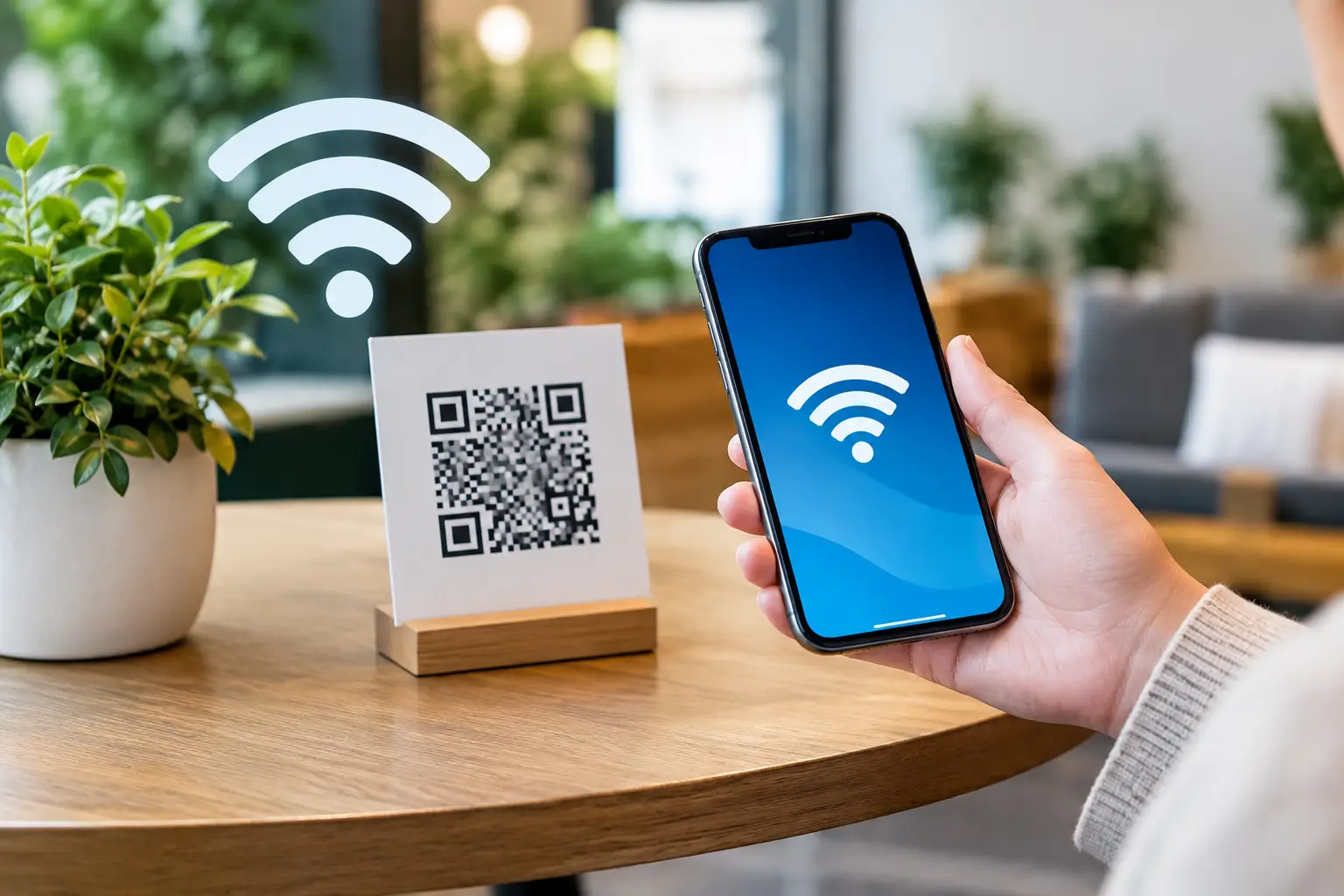
Providing access alone, however, does not tell an operator who visited, whether they have visited before, what location they used, or how to continue the conversation after they leave. A WiFi marketing platform adds a captive portal between the customer and the connection. That branded login experience can collect consented contact information, present terms, offer social login options, or direct visitors toward a promotion, loyalty program, survey, or concierge service.
The result is first-party data tied to real-world visits. Instead of relying only on anonymous website traffic or expensive third-party audiences, a business can build a database from customers who have already demonstrated intent by arriving at a physical location.
This is not a substitute for every marketing channel. Some guests will decline to share information, and privacy rules require a clear, consent-based process. But for businesses with recurring foot traffic, guest WiFi can fill a major visibility gap between the front door and the CRM.
What a WiFi marketing system should capture
The objective is not to collect every possible field. Long login forms create friction and can reduce connection rates. The best approach captures enough information to support a relevant next step, then builds richer profiles over time through repeat visits, campaign engagement, surveys, and loyalty activity.
A useful platform can connect a visitor record with details such as visit location, date and time, device behavior, login method, language preference, and marketing consent. When a business operates multiple sites, location data becomes especially valuable. A regional restaurant group can identify guests who visit one location frequently, while a retailer can distinguish shoppers in different markets.
That data becomes more useful when it is organized into practical segments. A hotel may separate new guests from returning guests. A restaurant may build audiences for lunch visitors, weekend visitors, and customers who have not returned in 60 days. A shopping center can create location-based campaigns for visitors who opted in during seasonal events.
Segmentation should follow an operational question: what action do we want this customer to take next? If there is no useful answer, the data field probably does not need to be collected.
The captive portal is part of the customer experience
A captive portal should feel like an extension of the business, not a generic technical screen. It can carry brand colors, campaign messaging, local offers, and clear privacy language. It can also be adapted by venue, time of day, or customer type.
For example, a quick-service restaurant may prioritize a simple login and a mobile offer that encourages an immediate add-on purchase. A resort may use the portal to introduce amenities, dining reservations, or WhatsApp concierge assistance. A medical waiting area may choose a lower-friction experience focused on connectivity and appropriate service information rather than promotional messages.
The trade-off is straightforward: the more fields and offers you place in front of a customer, the more data you may collect, but the greater the risk of reducing adoption. Portal design should be tested against both connection rates and downstream conversion.
Turn physical visits into timely communications
Once guests opt in, the value of guest WiFi shifts from collection to execution. Businesses can use automation to follow up by email, SMS, or WhatsApp based on the visitor’s behavior and consent preferences.
A first-time restaurant guest might receive a welcome message with an offer for a second visit. A hotel guest can receive useful arrival information, a dining promotion, and a post-stay review request on a schedule that matches the guest journey. A retailer can send a targeted campaign after a shopper has visited a specific store, rather than broadcasting the same message to every contact.
Real-time messaging can also support immediate commercial goals. If a visitor connects during a slow afternoon period, the portal or a triggered message can promote a same-day offer. During an event, a venue can share schedules, sponsor messages, or food and beverage promotions. The key is relevance. Messages that help a customer navigate the experience or make a timely decision perform better than generic blasts.
A customized WhatsApp concierge can be particularly effective for hospitality and high-service environments. It gives guests a familiar channel for asking questions, requesting assistance, receiving directions, or learning about available services. For the operator, those conversations provide insight into common needs and opportunities to improve service delivery.
Make guest WiFi work with the rest of your marketing stack
WiFi data should not sit in a separate dashboard with no operational purpose. The strongest deployments connect on-site activity to the systems marketing teams already use, including CRM platforms, email tools, SMS providers, and advertising audiences.
With the right integrations, a business can use consented visitor data to create more informed remarketing campaigns through platforms such as Facebook and Google Pixel. A campaign can focus on guests who visited but have not returned, loyal visitors who may respond to a referral offer, or customers who interacted with a promotion at a particular location.
This improves media efficiency because the audience is based on real venue traffic rather than broad assumptions. It also helps teams measure a more complete customer path: an in-person visit, a follow-up message, an online engagement, and ideally another in-person visit or purchase.
Measurement should be practical. Track Wi-Fi connections, login completion rate, marketing opt-ins, new versus returning visitors, message engagement, offer redemption, and repeat-visit trends. Not every venue can connect every transaction directly to a Wi-Fi profile, especially in high-volume or privacy-sensitive environments. Even then, directional data can reveal which locations, portal campaigns, and customer segments are creating engagement.
Industry use cases where the model performs
Hotels use guest WiFi to improve service before, during, and after a stay. A branded portal can introduce amenities and collect guest preferences, while automated communications can support upgrades, dining, spa services, review requests, and future booking campaigns.
Restaurants and cafes can turn a free connection into a repeat-visit engine. A guest who joins the network after a first visit can receive a carefully timed incentive to return. Multi-location operators can identify where visitors engage most and tailor offers by neighborhood, daypart, or store performance.
Retailers can combine store traffic with digital follow-up. Instead of losing visibility once a shopper leaves the store, they can invite opted-in visitors into product launches, local events, loyalty programs, and remarketing audiences.
For hospitals, airports, malls, and transportation providers, the focus may begin with a better visitor experience and clear access to information. Marketing should remain appropriate to the setting, but the same infrastructure can support service alerts, multilingual communications, satisfaction surveys, and segmented outreach where consent allows.
Deployment determines whether the program delivers
The technology matters, but implementation is where many WiFi initiatives lose momentum. Hardware compatibility, network configuration, security, portal design, consent language, dashboard training, and campaign setup must work together.
A centralized cloud platform makes it easier to manage multiple locations, update portal campaigns remotely, and maintain consistent reporting. That is valuable for operators with distributed venues and for agencies or technology integrators that want to offer WiFi marketing as part of a broader client solution.
Wifi Marketing approaches deployment as both a technology and implementation project. That includes configuration support, branded captive portals, automation strategy, hardware coordination, and training so internal teams can turn visitor data into campaigns rather than leaving it unused.
Before launching, define one or two business outcomes that matter most. It might be growing a consented customer database, increasing repeat visits, promoting a loyalty program, improving guest service, or lowering the cost of remarketing. Start with those outcomes, build the portal and automation around them, and review the data often enough to adjust.
Free Wi-Fi is already part of the cost of doing business for many customer-facing brands. The better question is whether it will remain an expense that disappears into the background, or become a channel that helps every location build stronger customer relationships.